Hieroglyphs
Recently I understood that the biggest reason for my curiosity about Asian languages happens to be characters. There is something magical about them. How something that very distantly visually reminds of the meaning or sounding can be used as a writing system for a language. Speaking about it from an information science perspective, the power of such an alphabet is huge and the ability of people to understand and think using this tool feels like some kind of superhero ability.
Anyway, the next stop of the trip was Tokyo. The place I was excited about, but I tried to not overestimate it and Japan overall as it is fairly easy with flooding of Instagram videos and pictures. Well, in the end, expectations were exceeded multiple times.
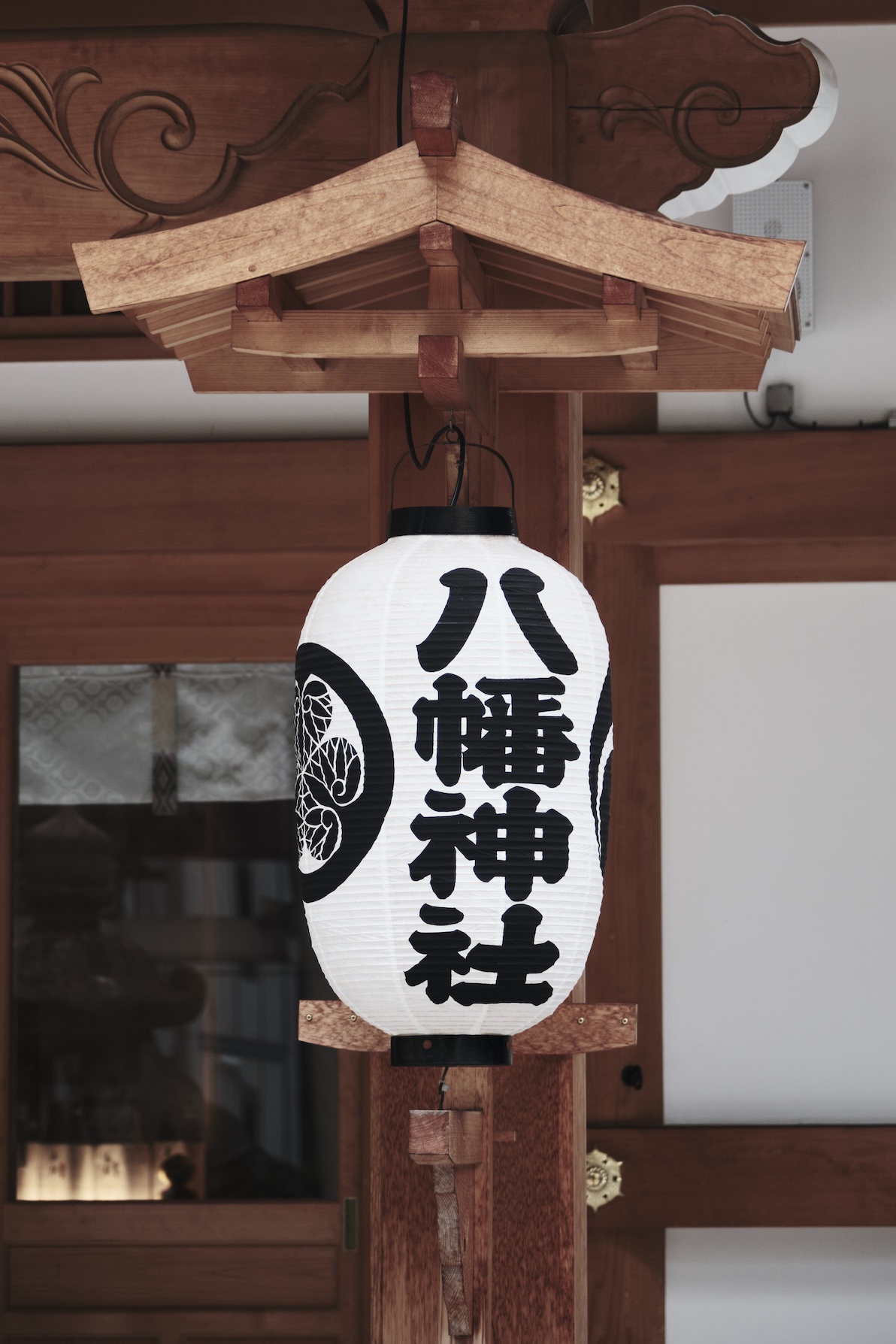
東京 (Tokyo) – or literally “east capital”
Don’t fall into overestimating expectations. It is still a city on the same planet. Even though it doesn’t always feel like that.
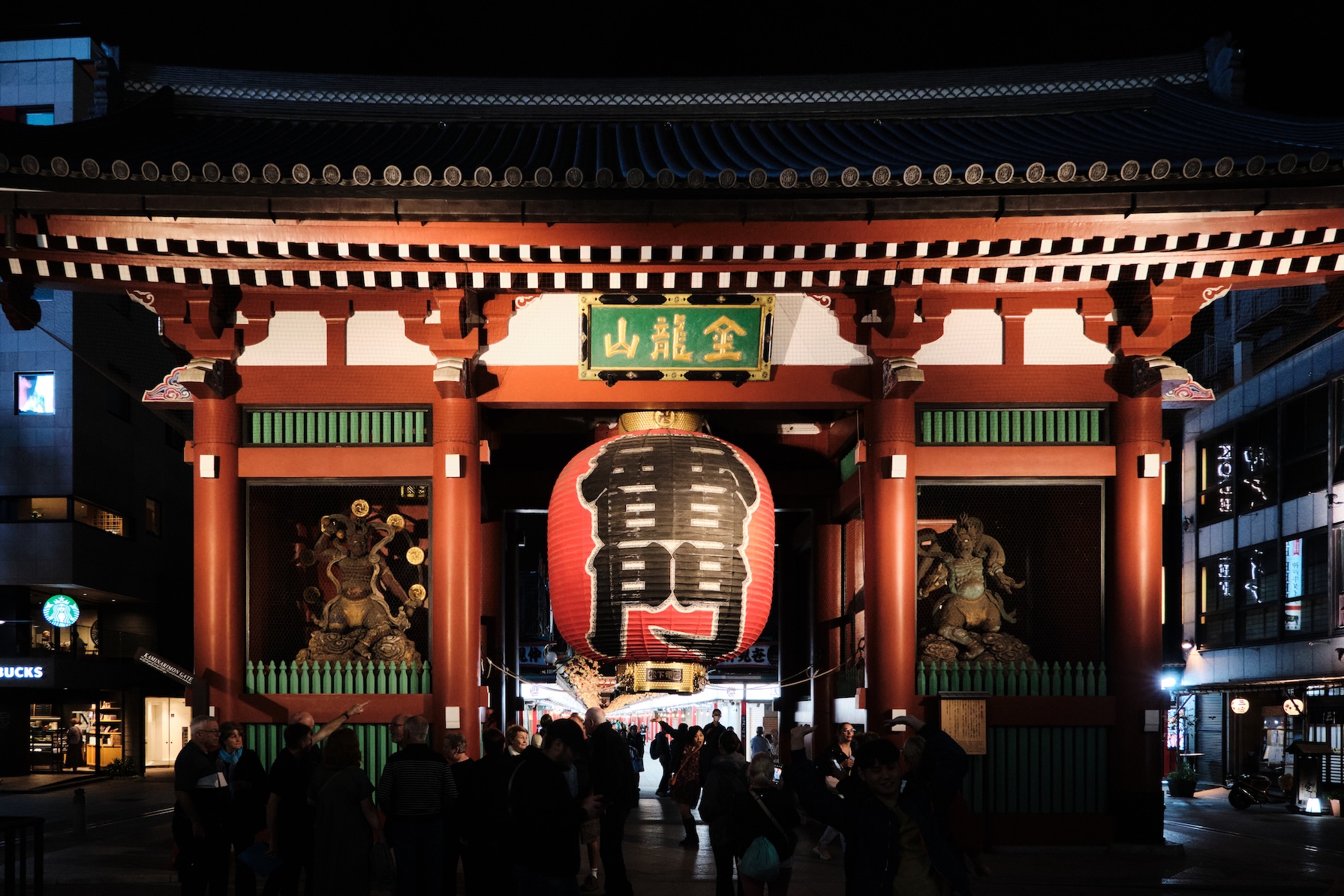
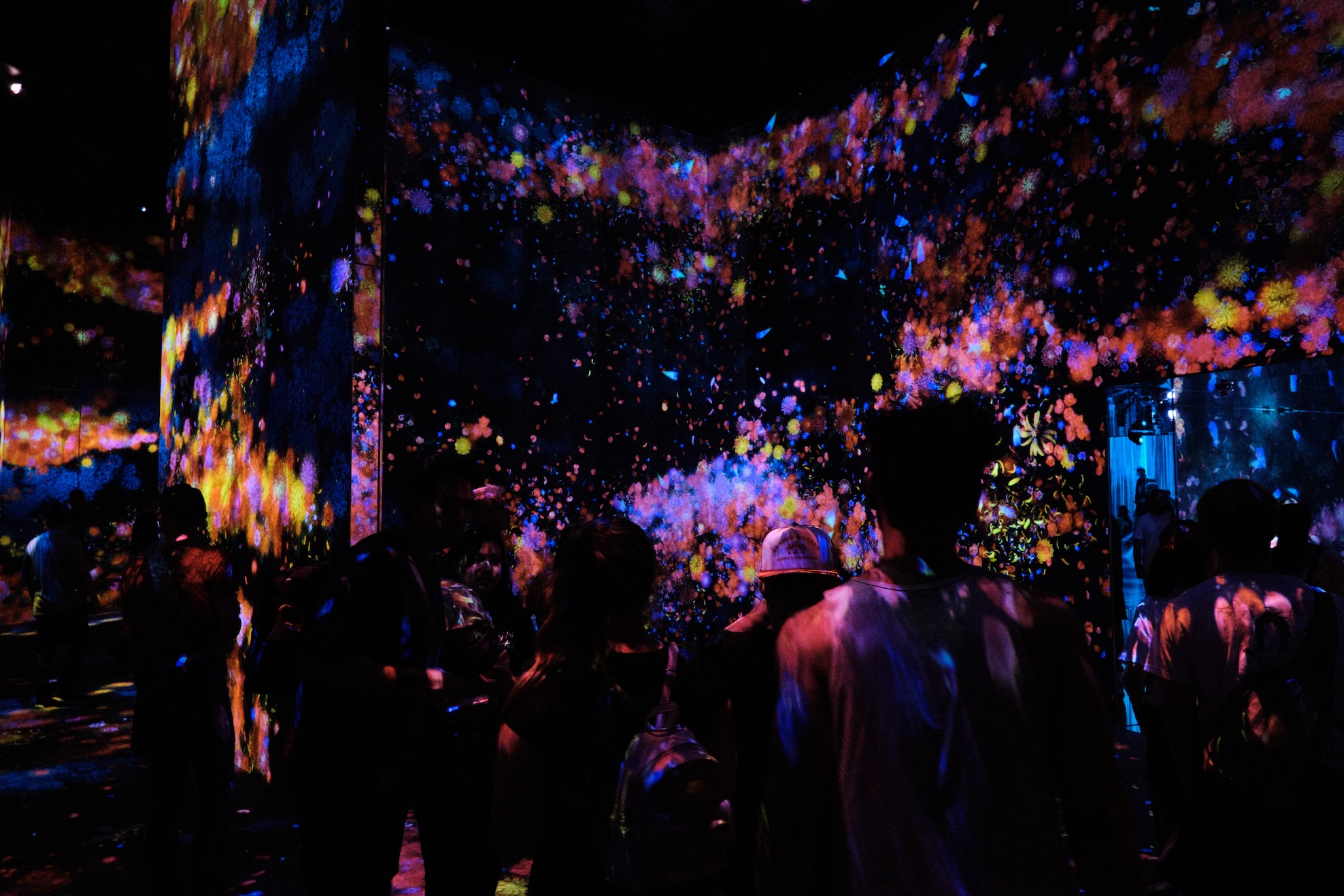
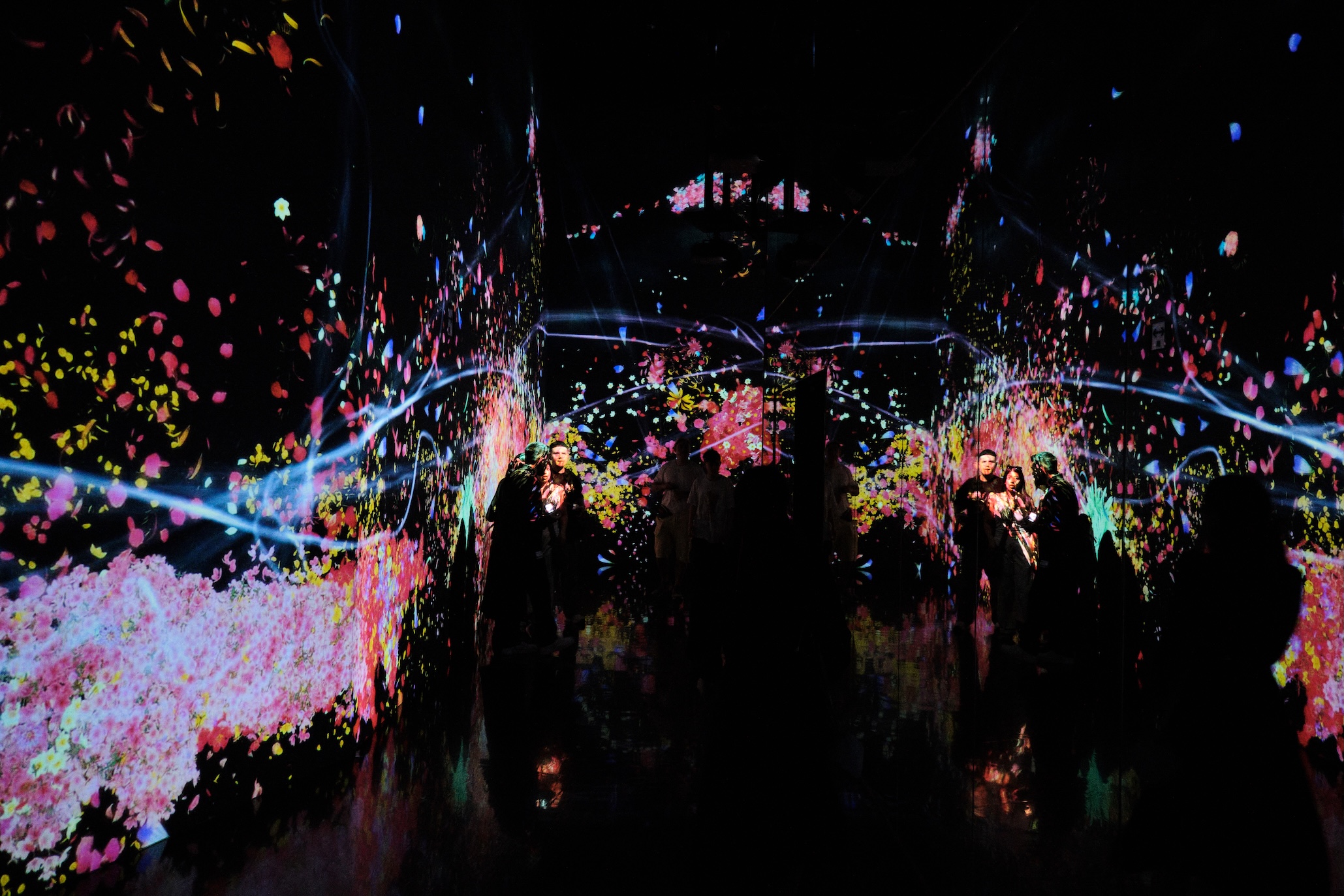
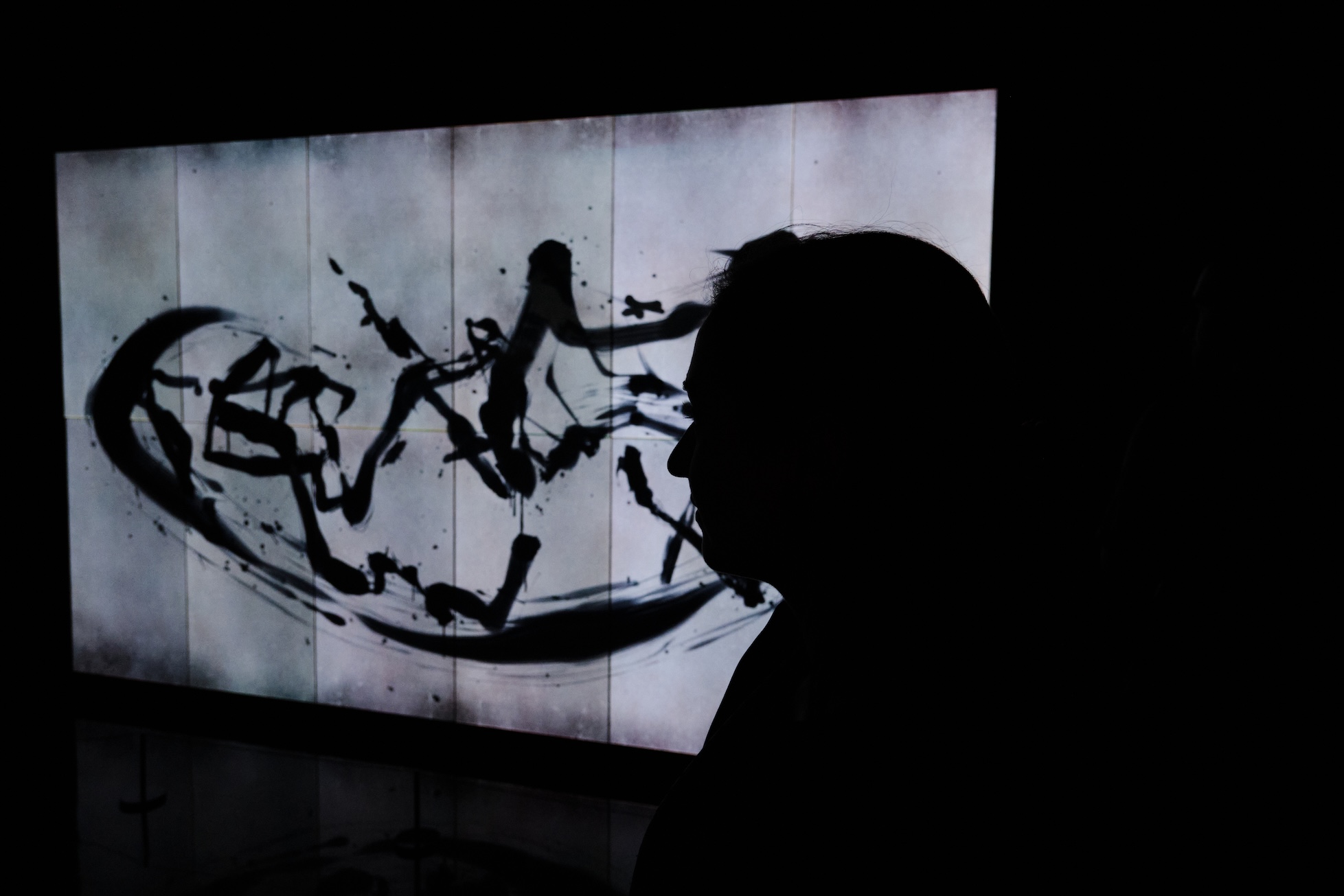
I didn’t take too many photos of Tokyo this time. Perhaps, because it was very different from anything else and I did not know what to shoot. Because the beauty of that place is in many details that sometimes are hard to pronounce with pictures.
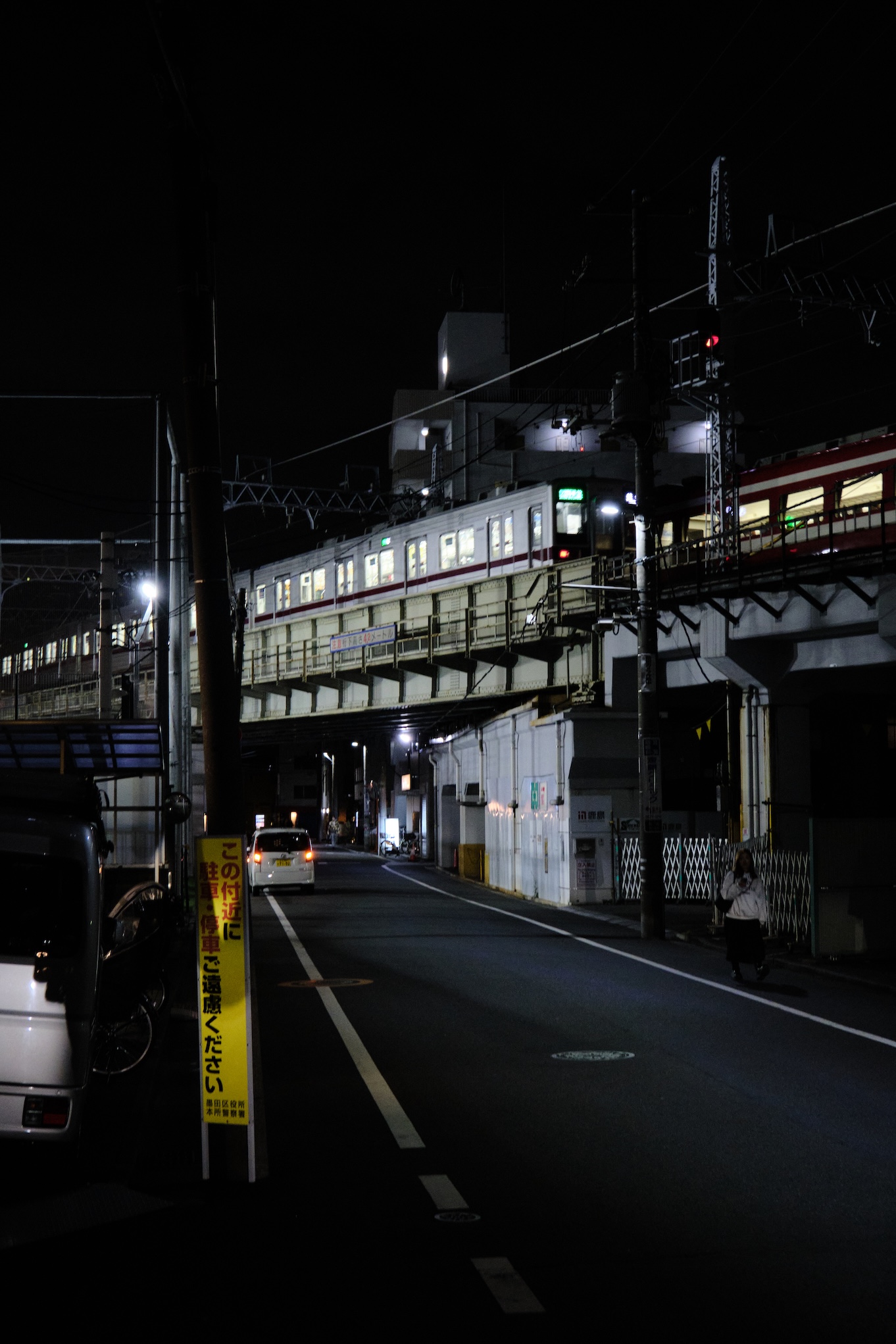
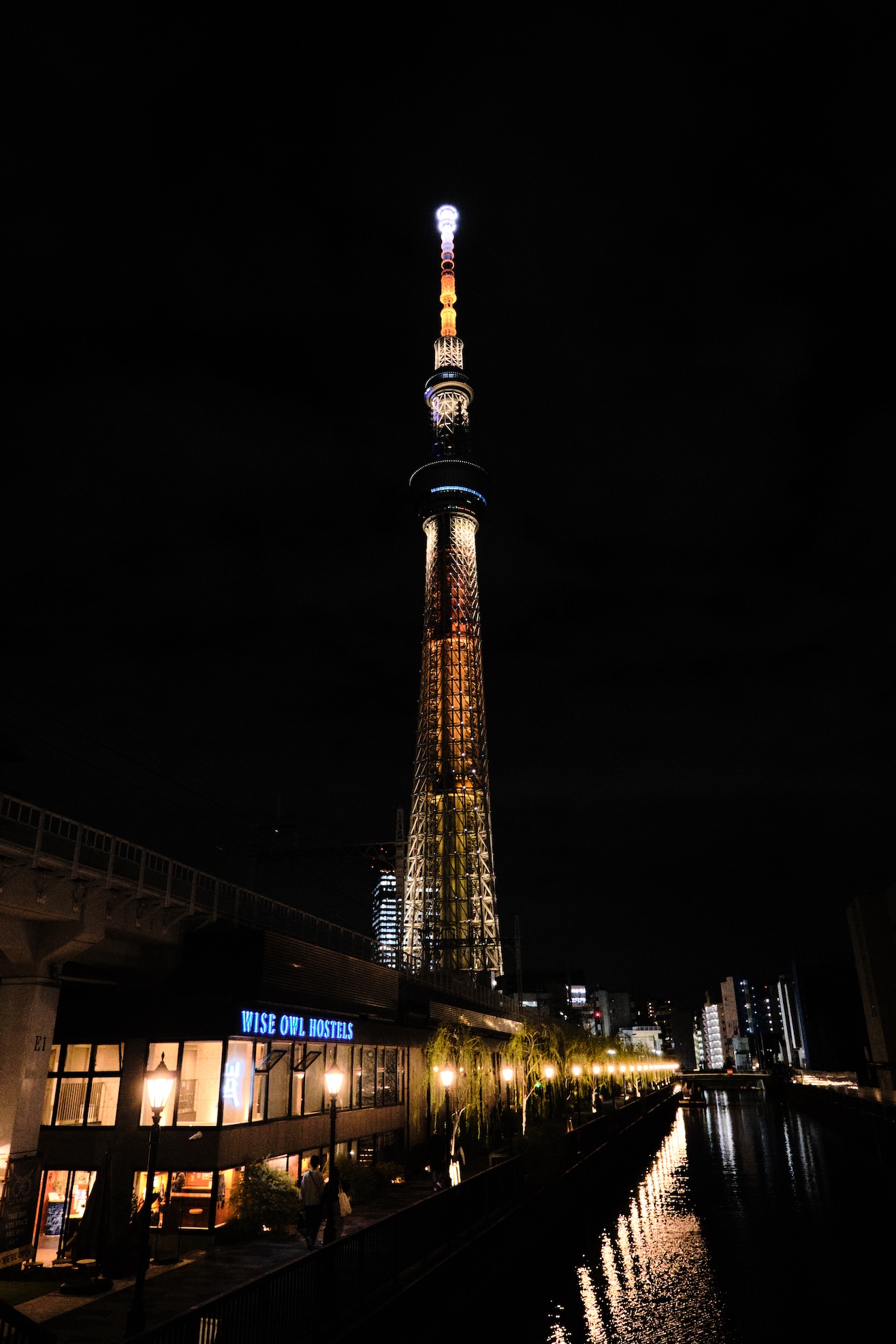
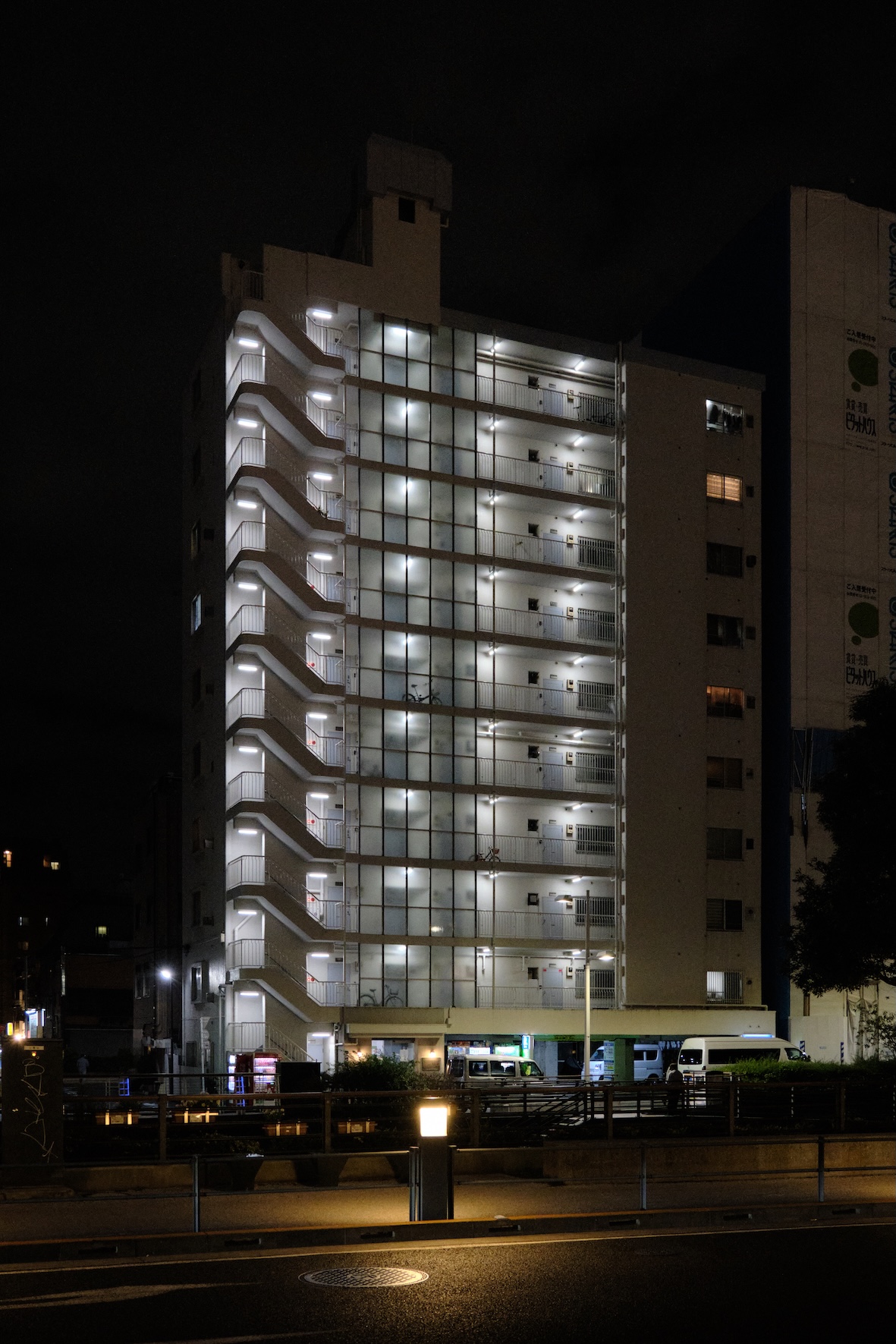
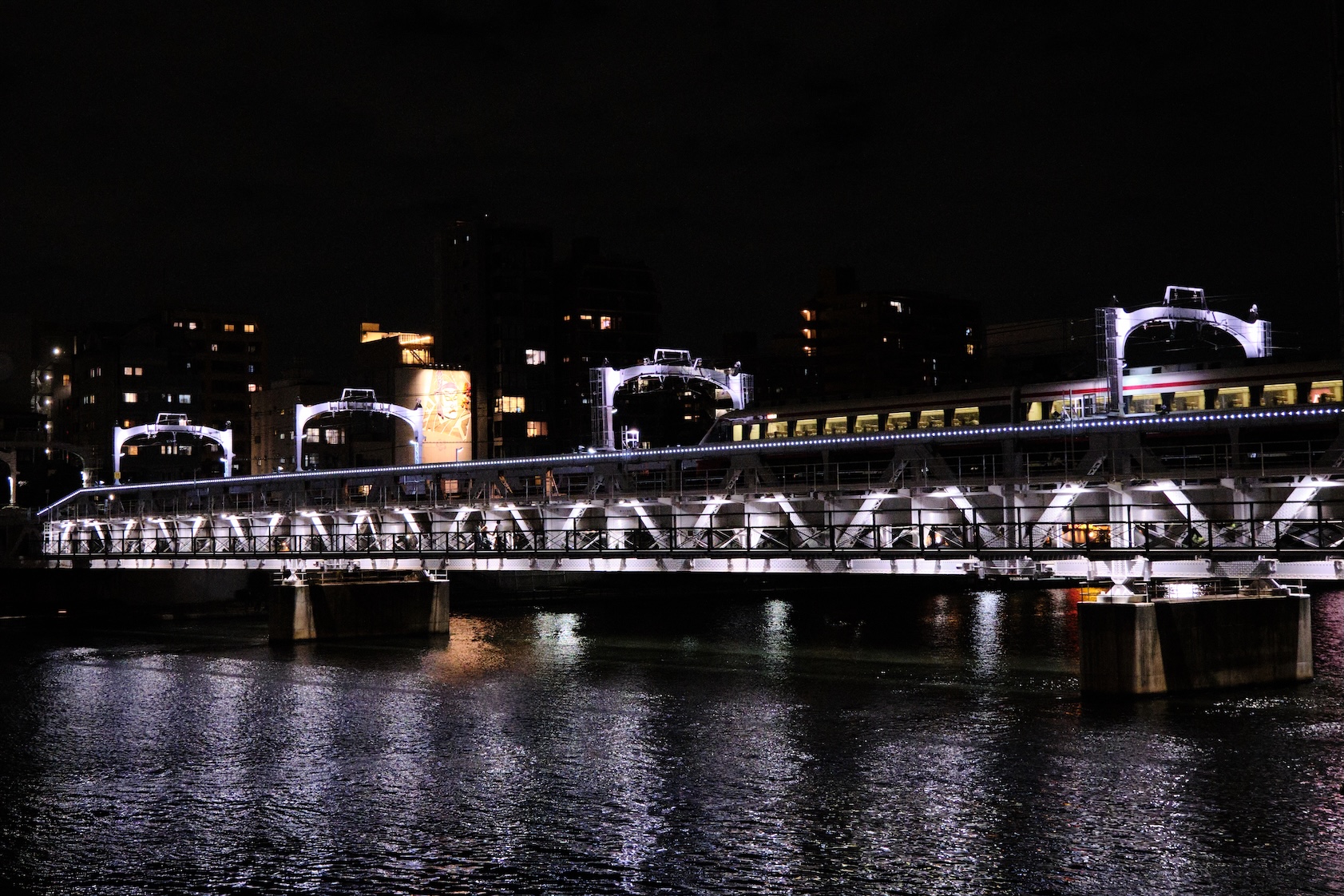
A lot of pathways for pedestrians, for cars, and for trains on every step is something you quickly get used to in Tokyo. The infrastructure for people here at first feels like a huge overkill, especially if arrive late and go out of one of the city centers.
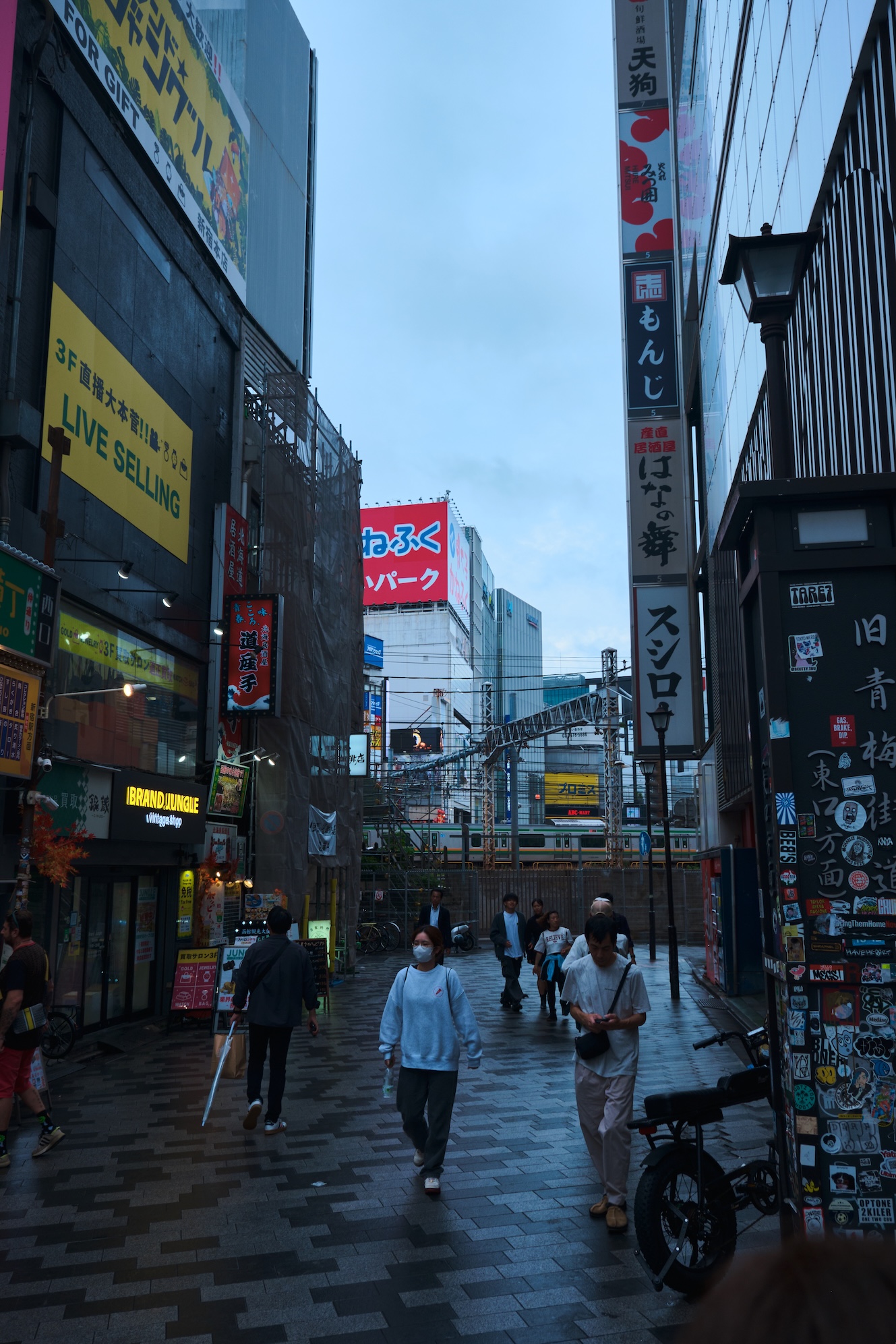
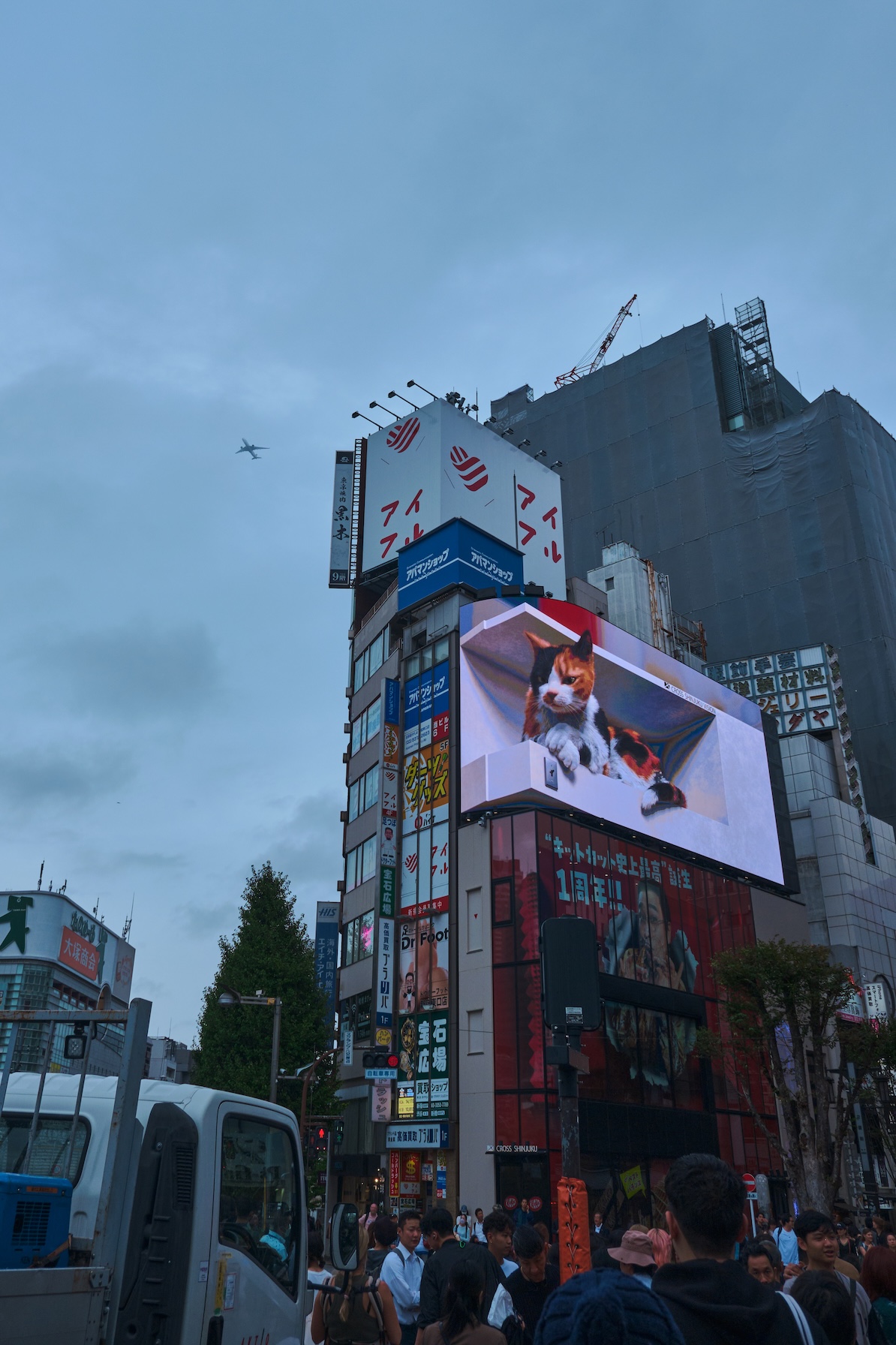
And lights. So many lights. Light is everywhere and since there are many tall buildings with a lot of cafes, shops, and restaurants, there are lights around you, above you, and under you in reflections. You know that this is already night. But it is as bright as day. The striking difference after China is that here the density of places becomes something on another level. There is much less malls and many times they are smaller than in China. But other houses are packed with every kind of businesses.
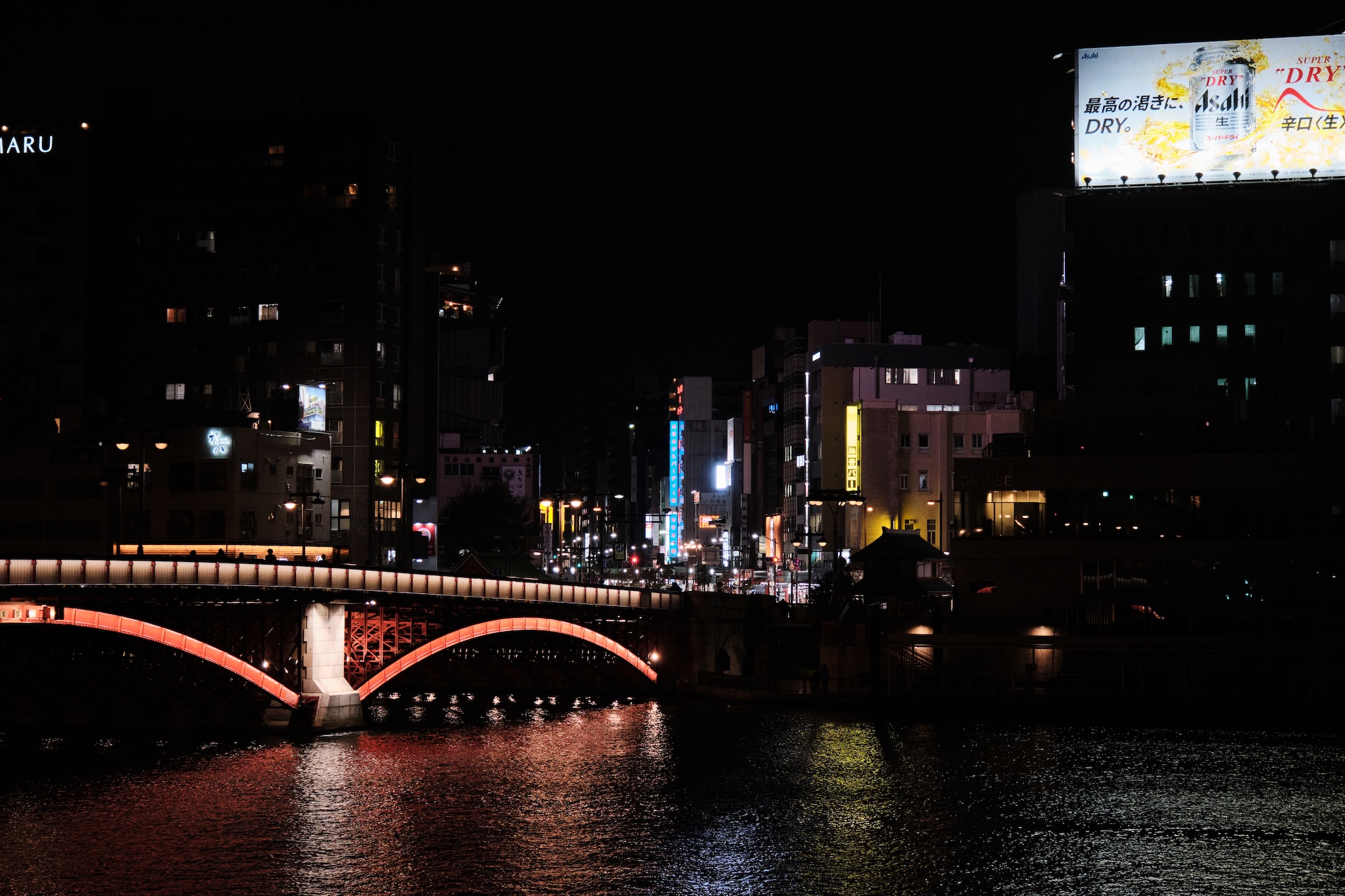
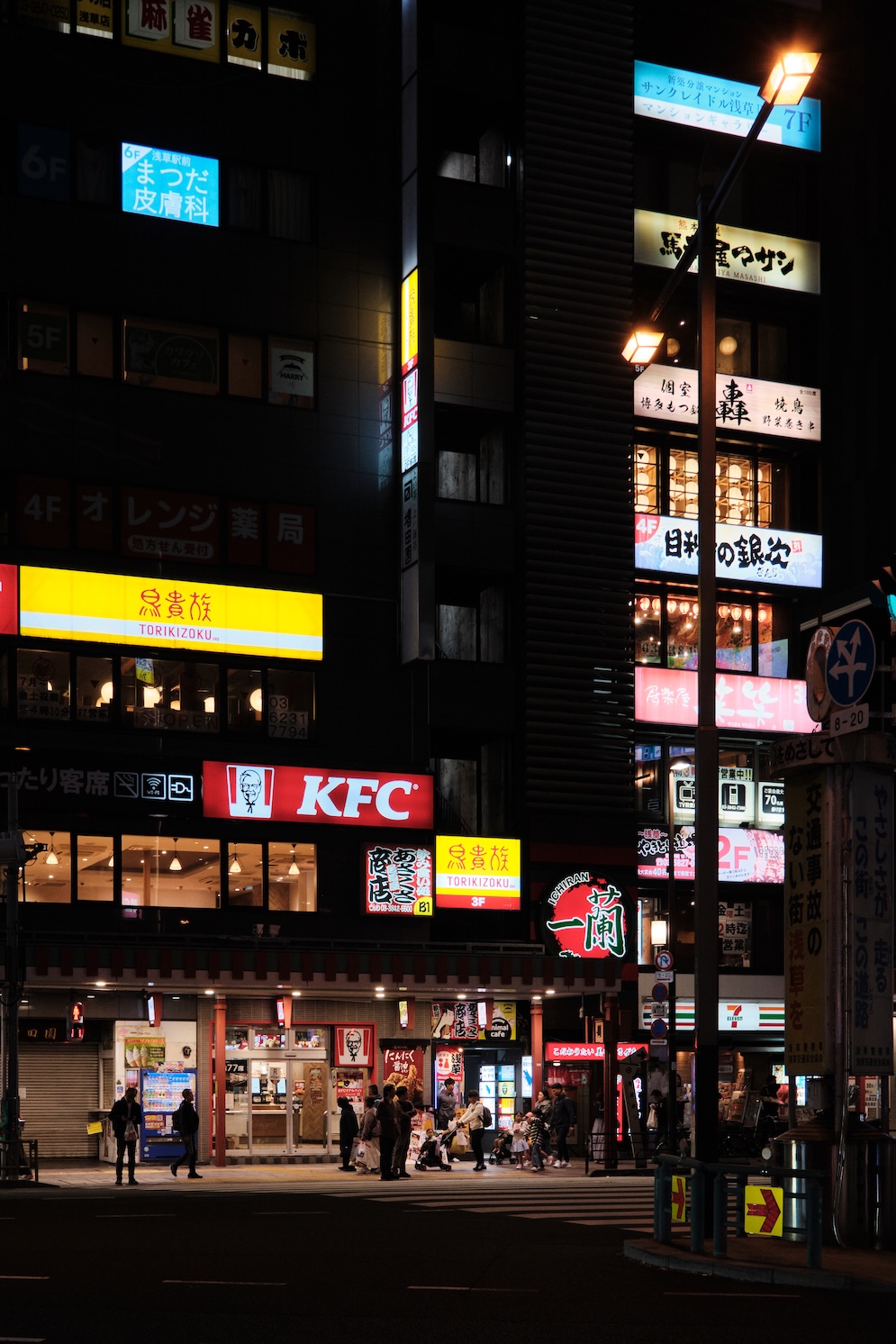
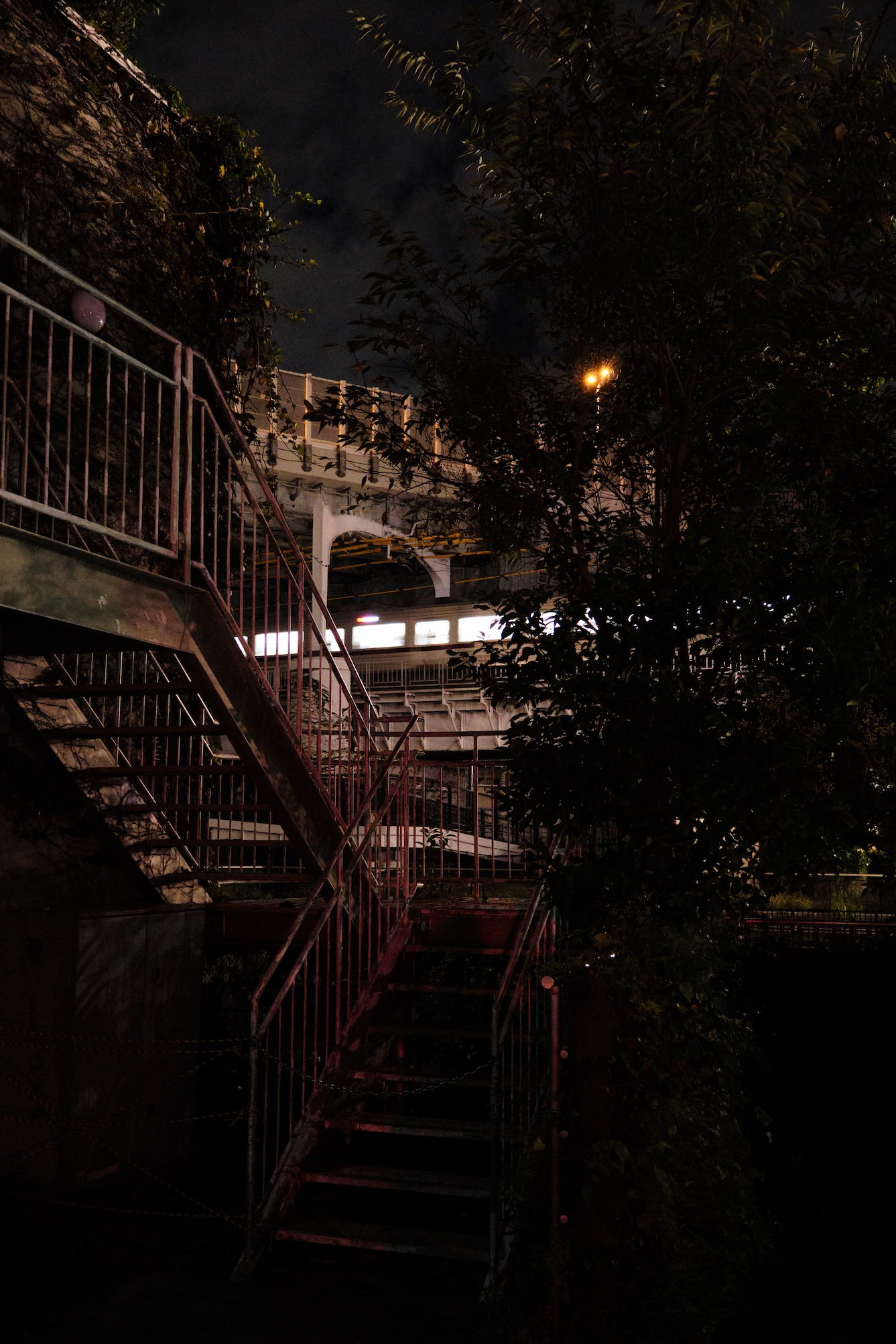
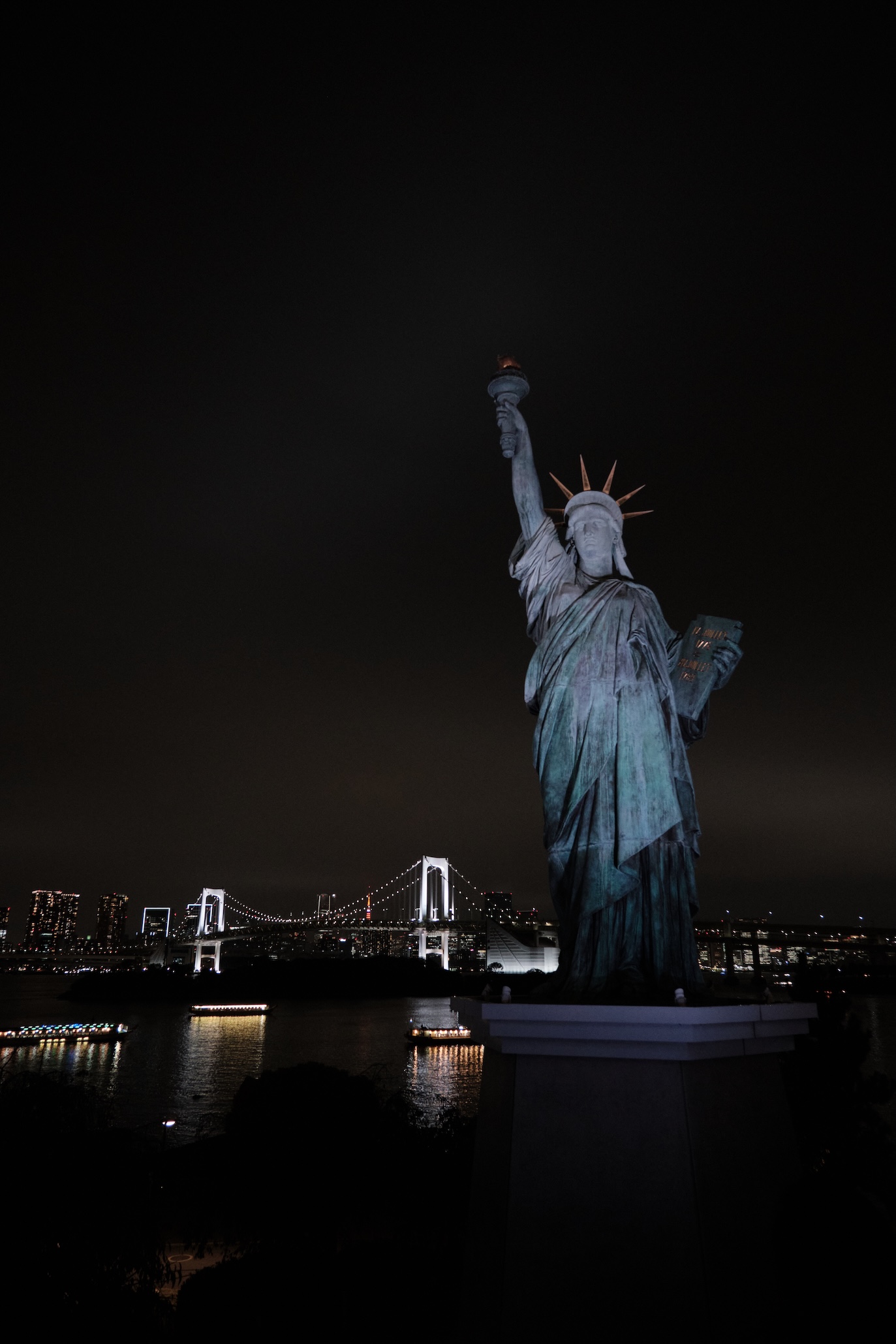
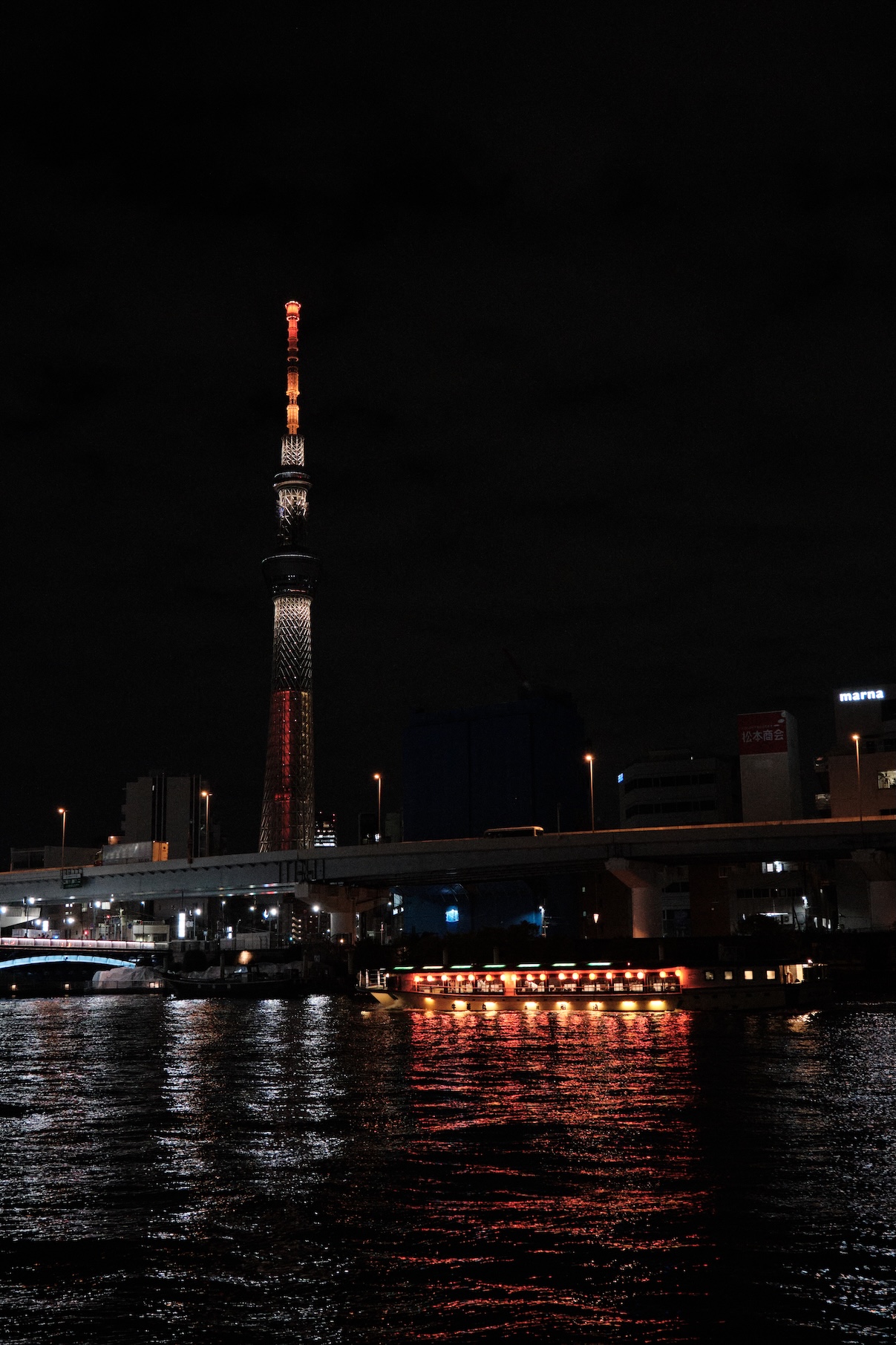
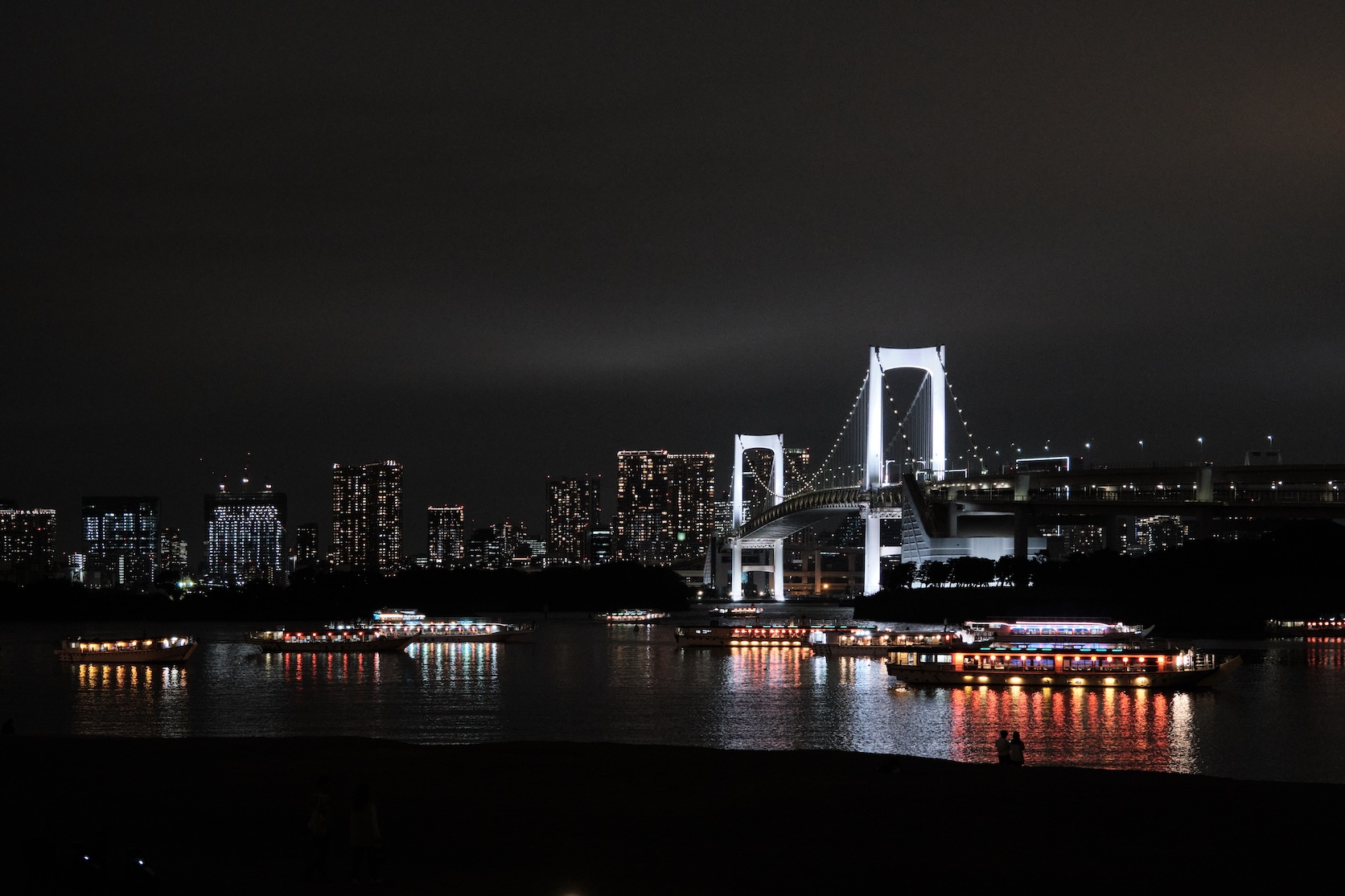
Cultural sites are mixed with modern offices and businesses quite a lot. You can find around one metro station a shrine, quite some office buildings, a skyscraper, several shops and restaurants, and a landmark. Everything is in 2-5 minute walk. Or it feels like 2 minutes. Because distances are not just noticeable, they really hurt after a full day of stairs and walks.
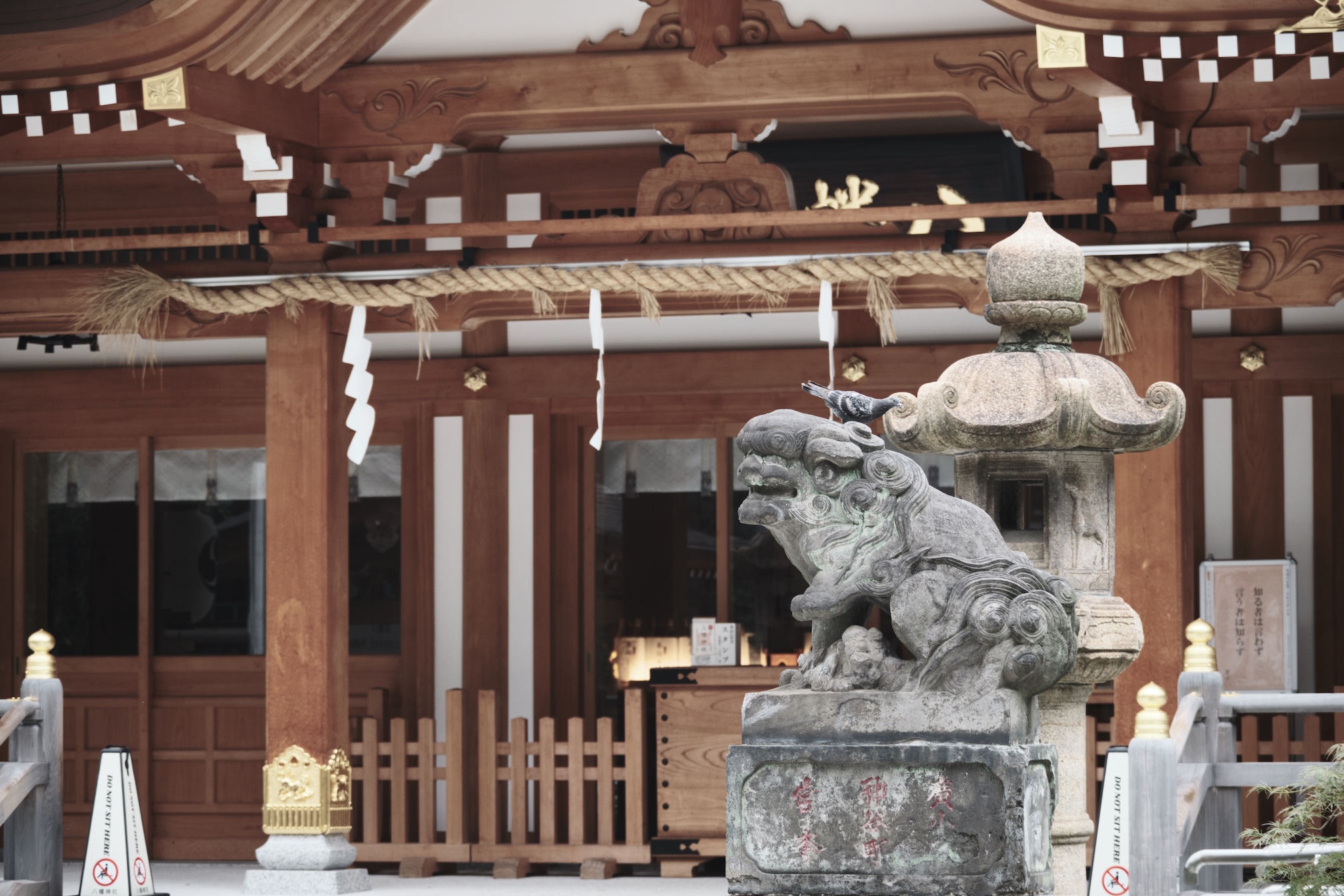
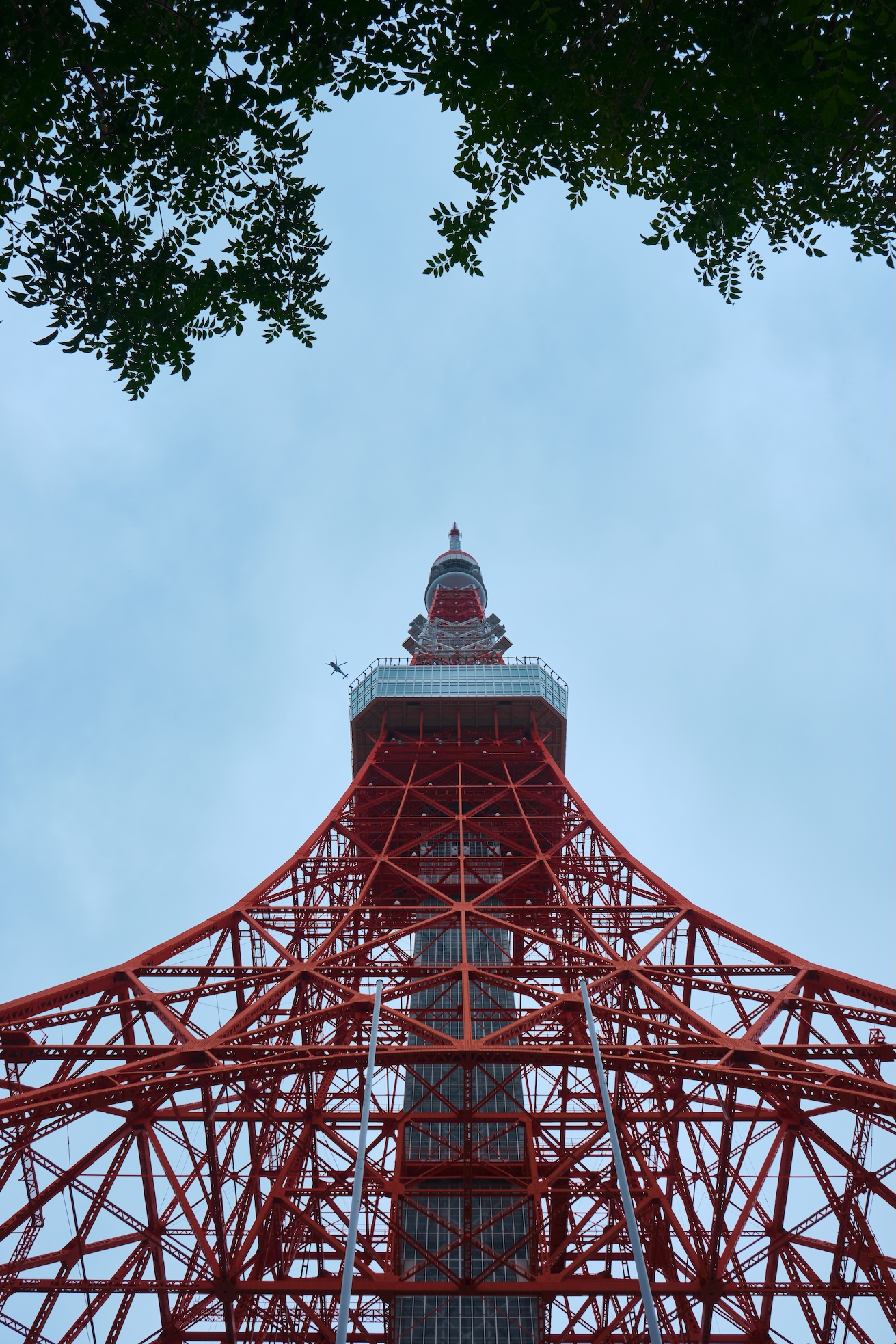
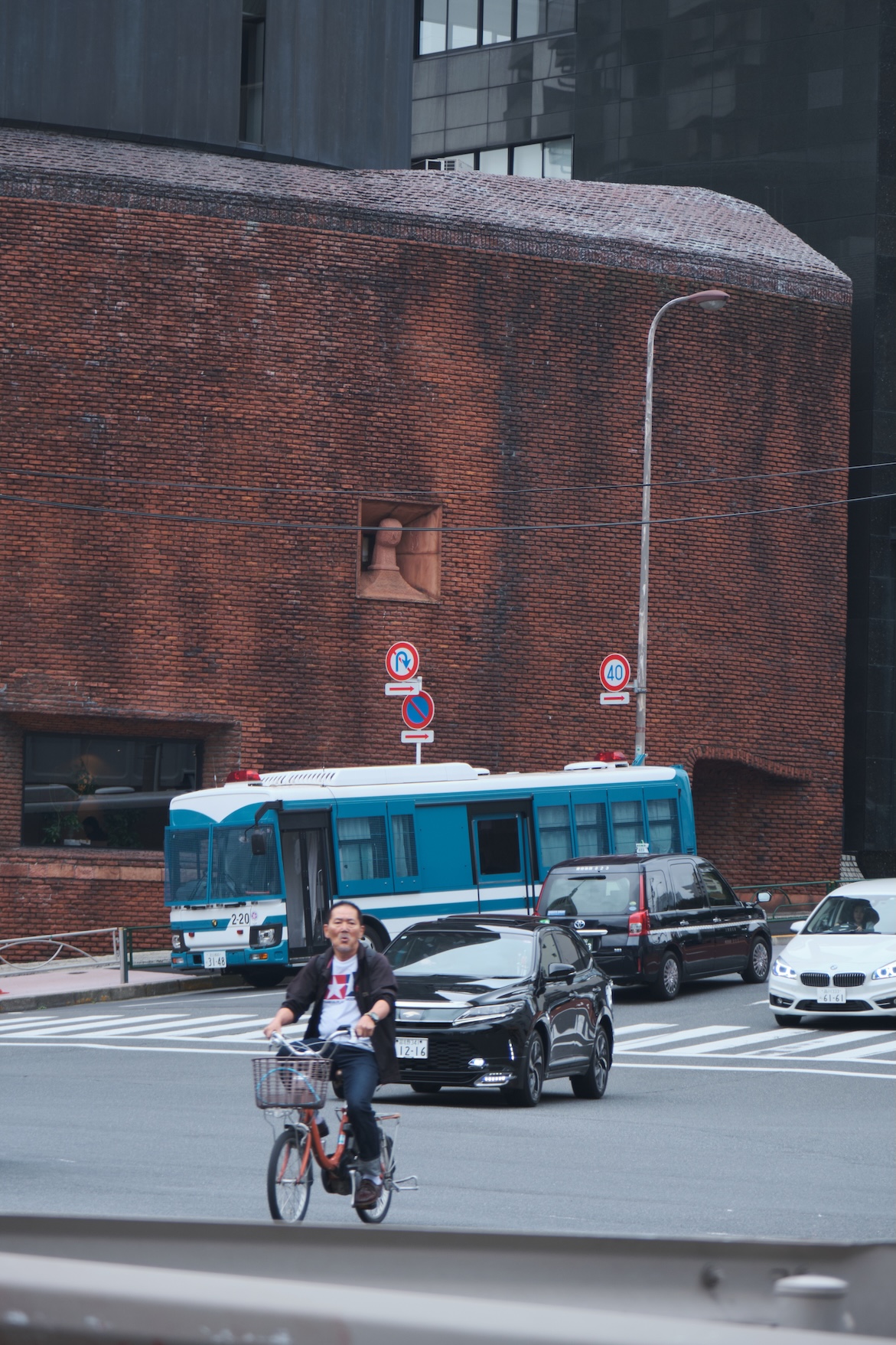
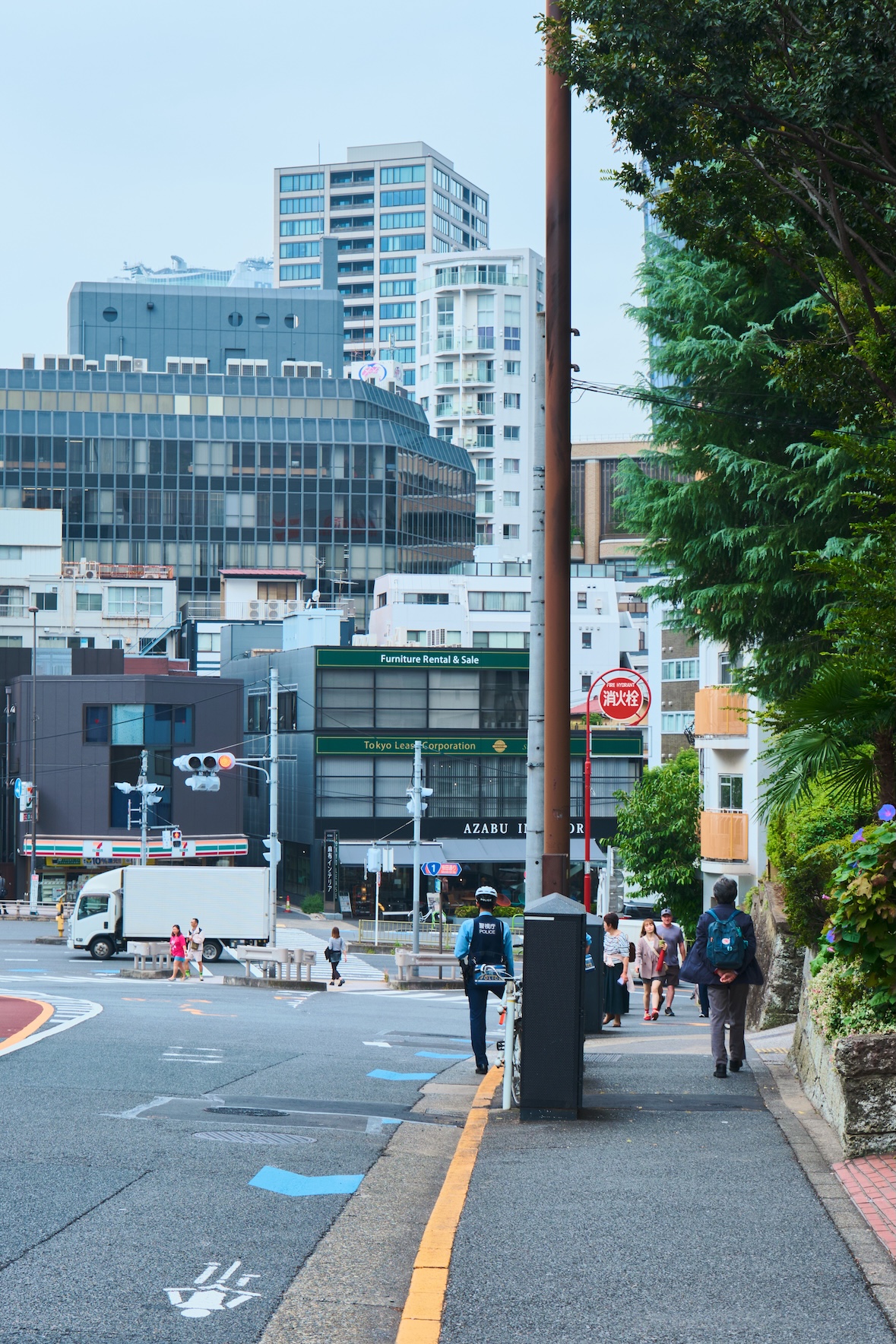
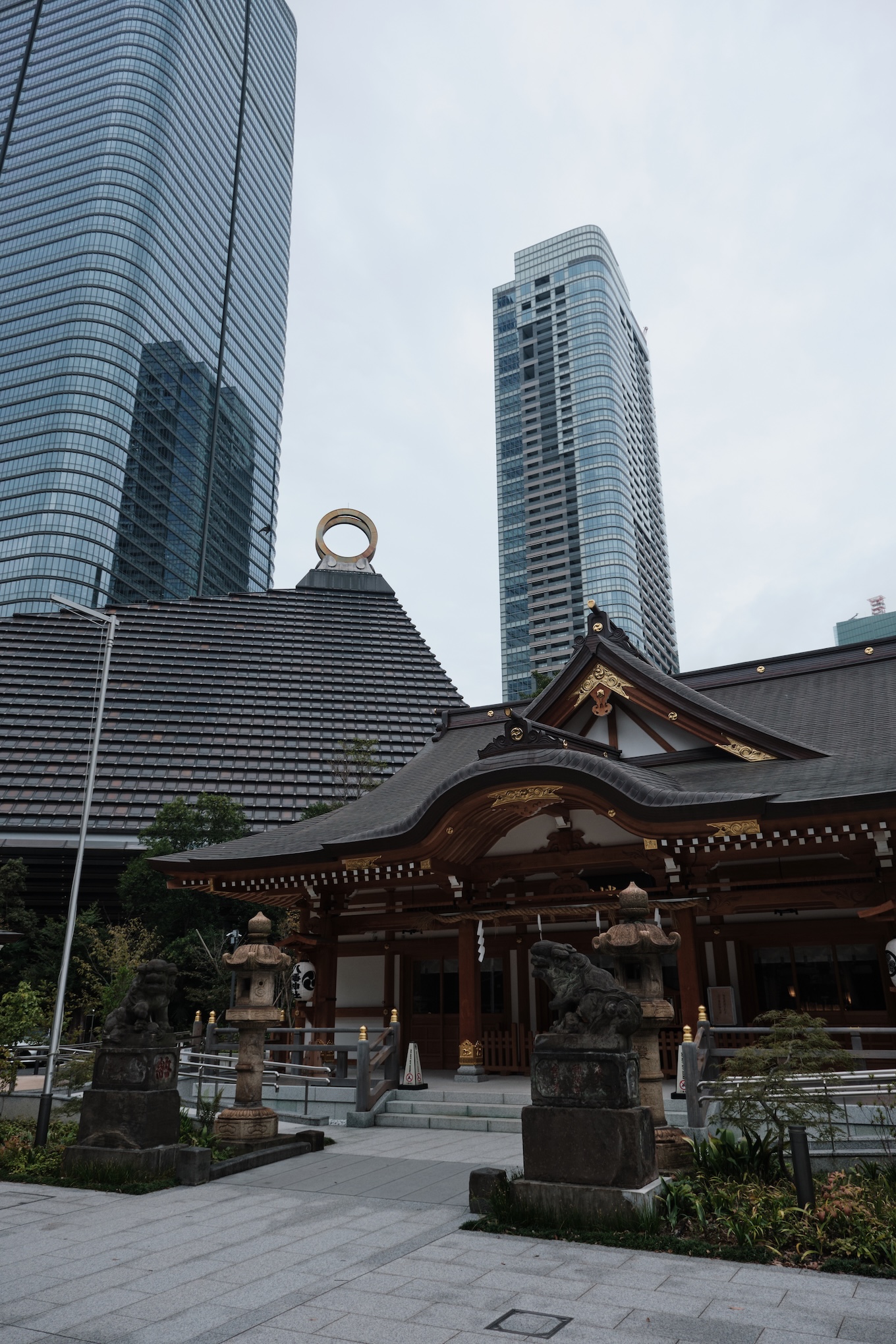
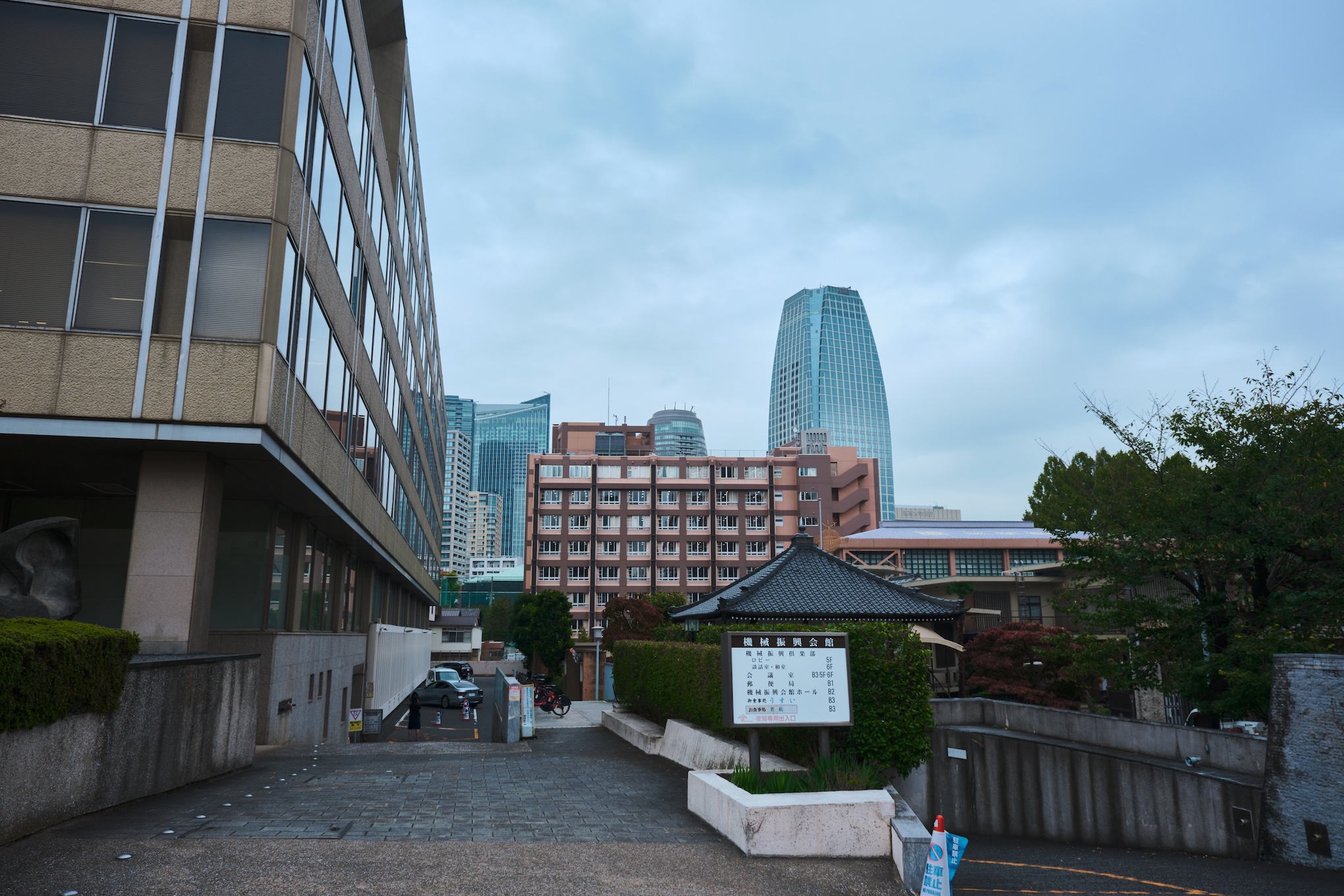
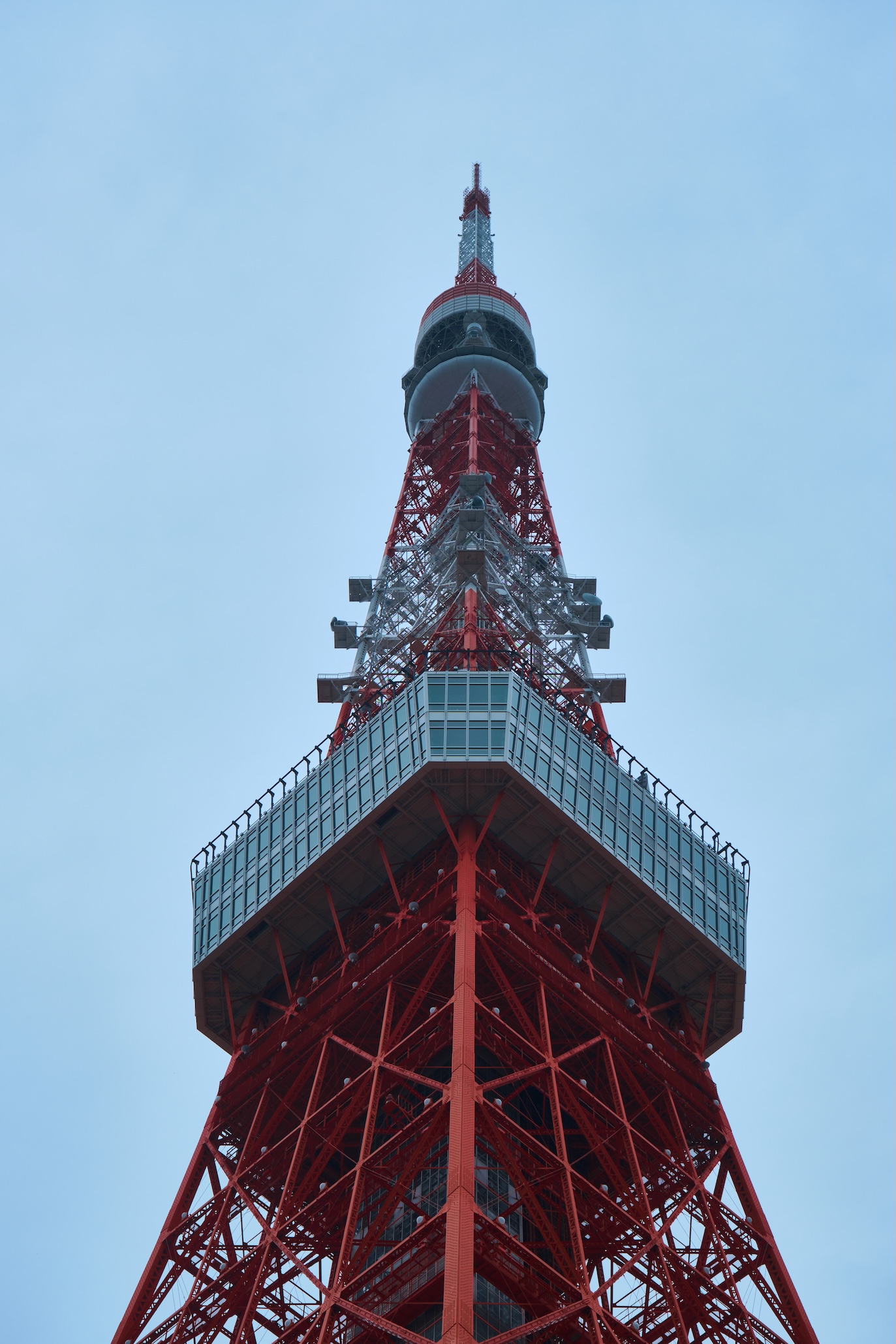
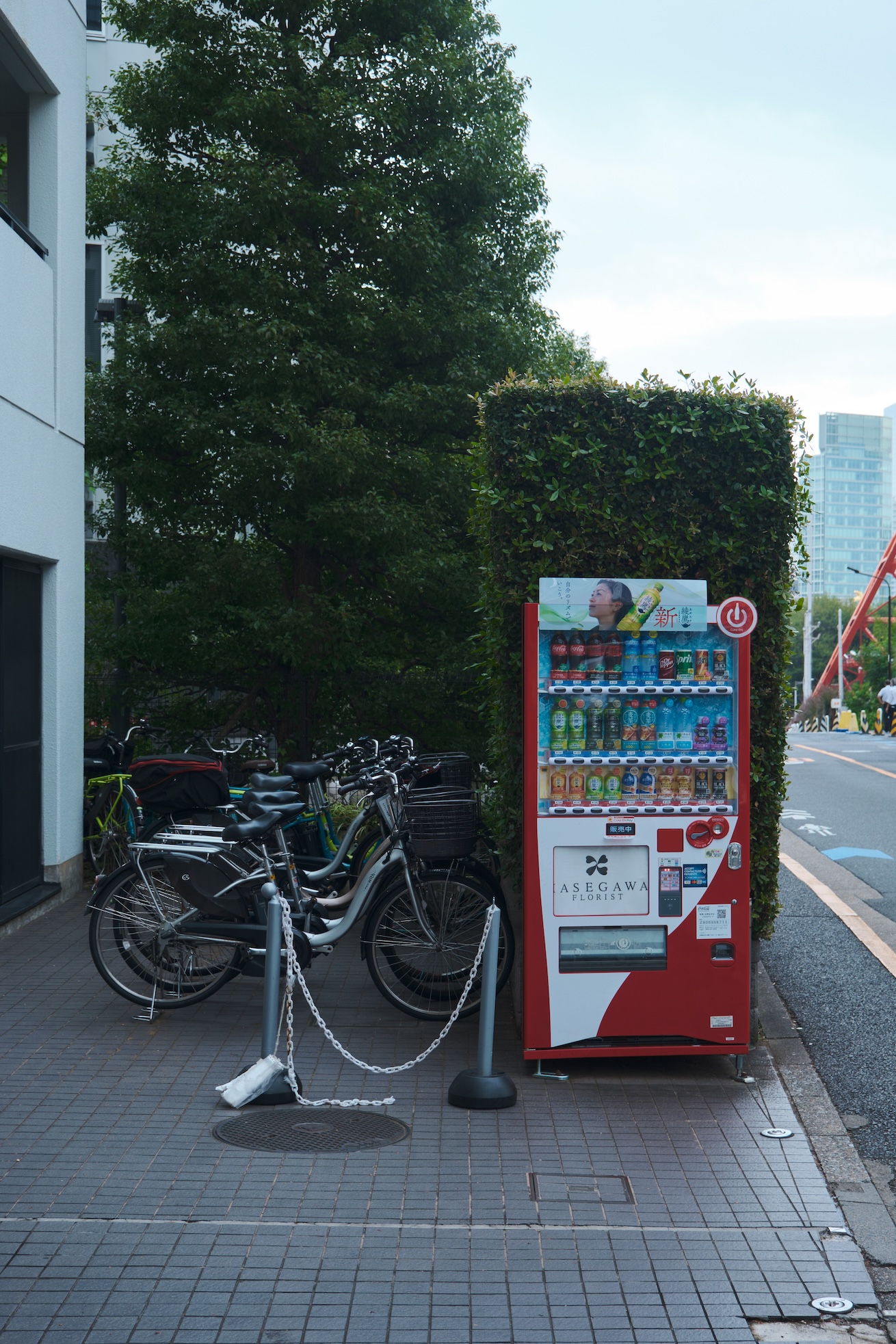
But we got used to cities like this. The most important thing here is planning. It is very easy to just forget to plan the day and do one small thing after another and the day passes by just like a moment. And then you are exhausted, but did almost nothing and wondering why everyone is so hyped about something here? There is nothing! Lack of planning.
Even with big queues it is possible to find a way to any monument or spot. The most important thing is to find where it is and how to get there (don’t forget about 200+ exits at Shinjuku).
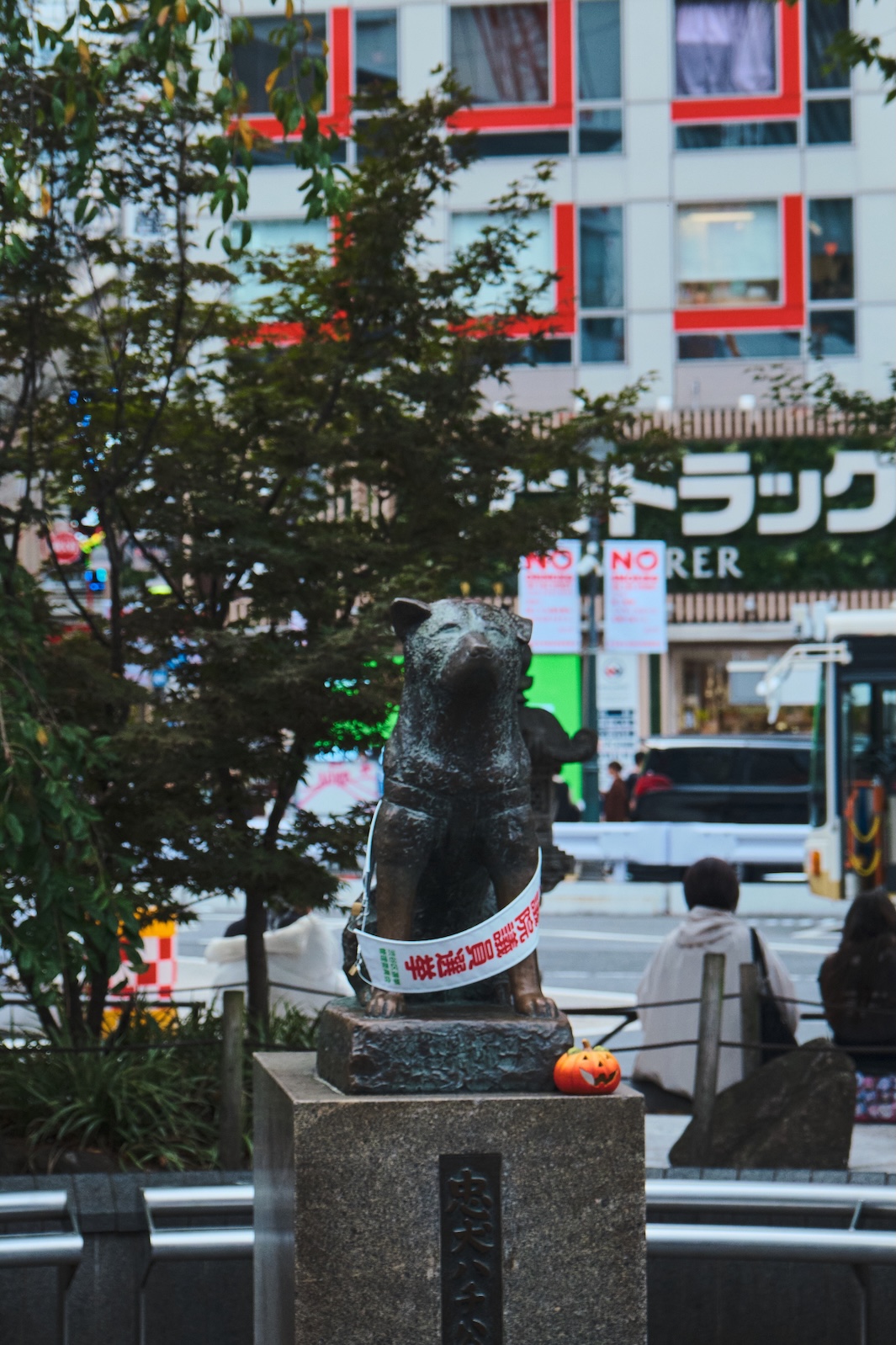
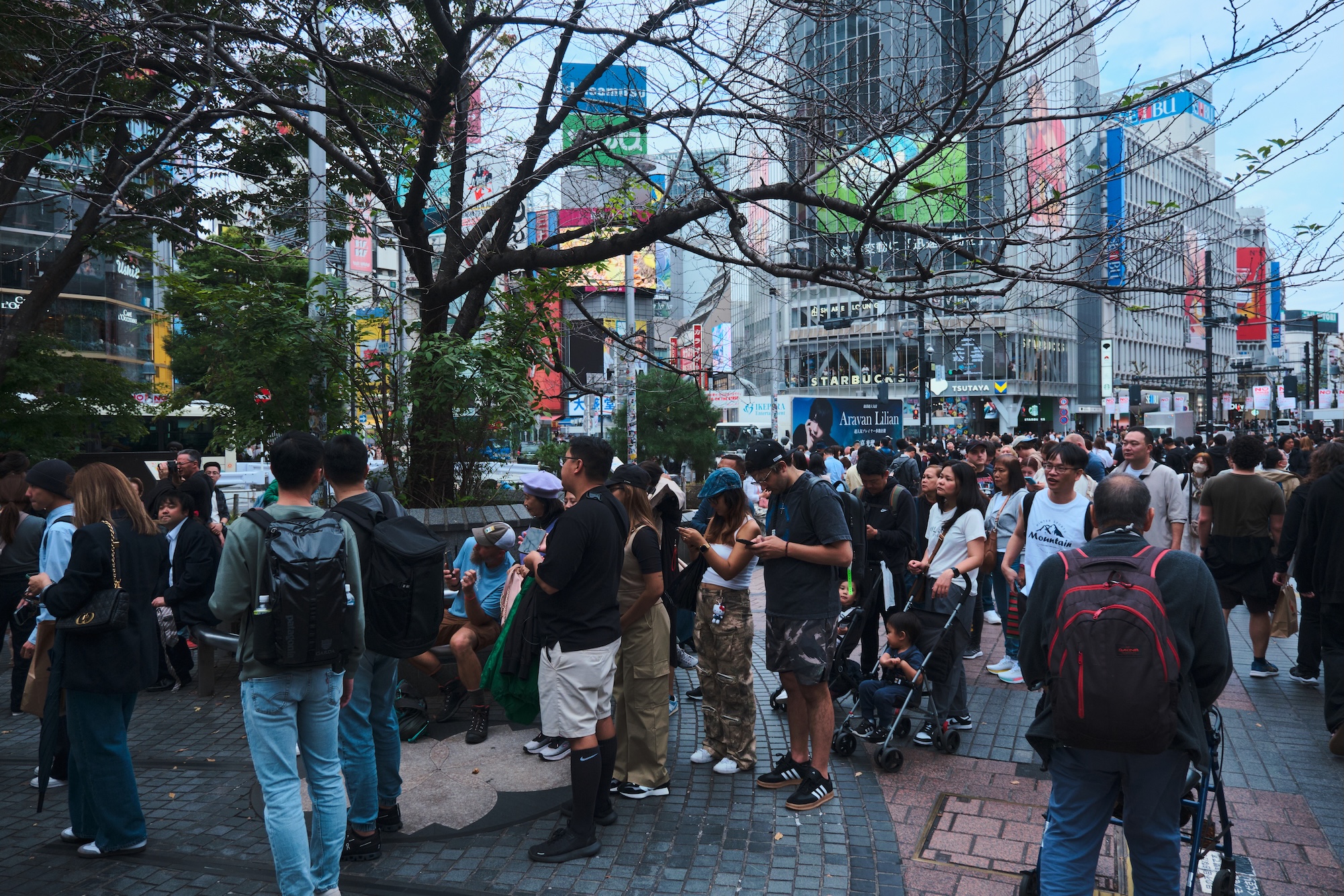
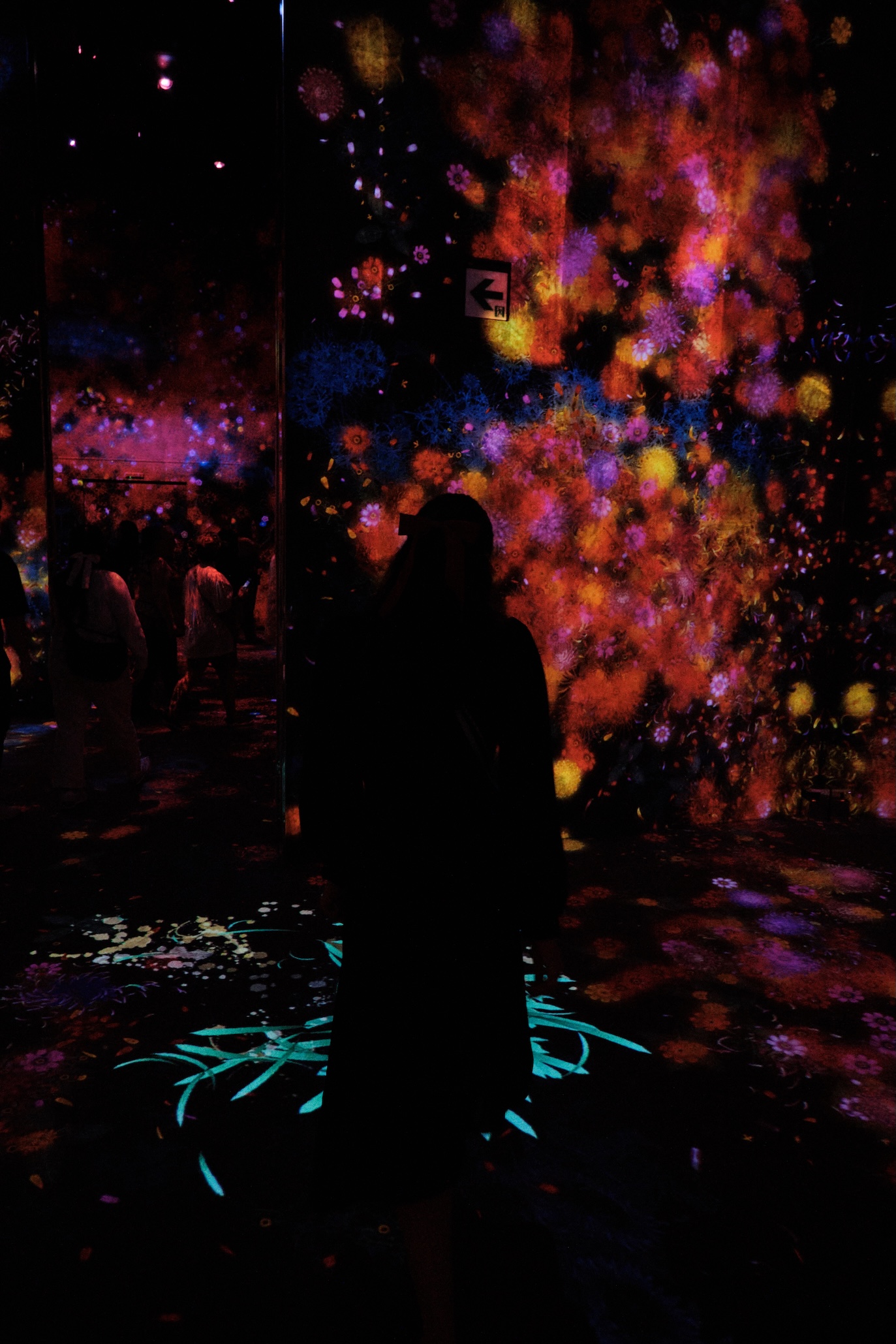
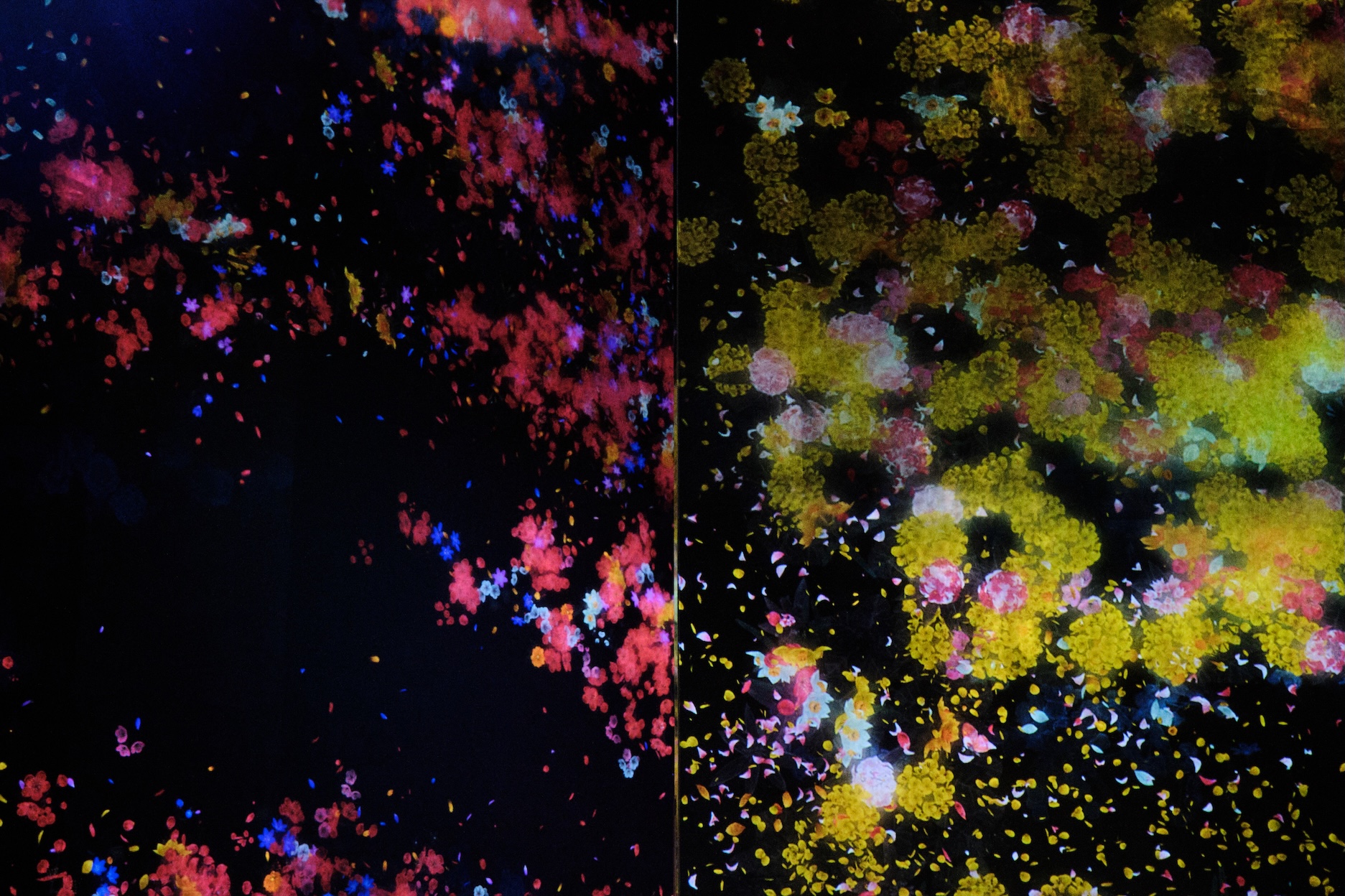
And inside there are also so many unique things. Some of them are properly hidden and some require planning (again) well before as the number of people around is appropriate to the biggest city on Earth.
Trains
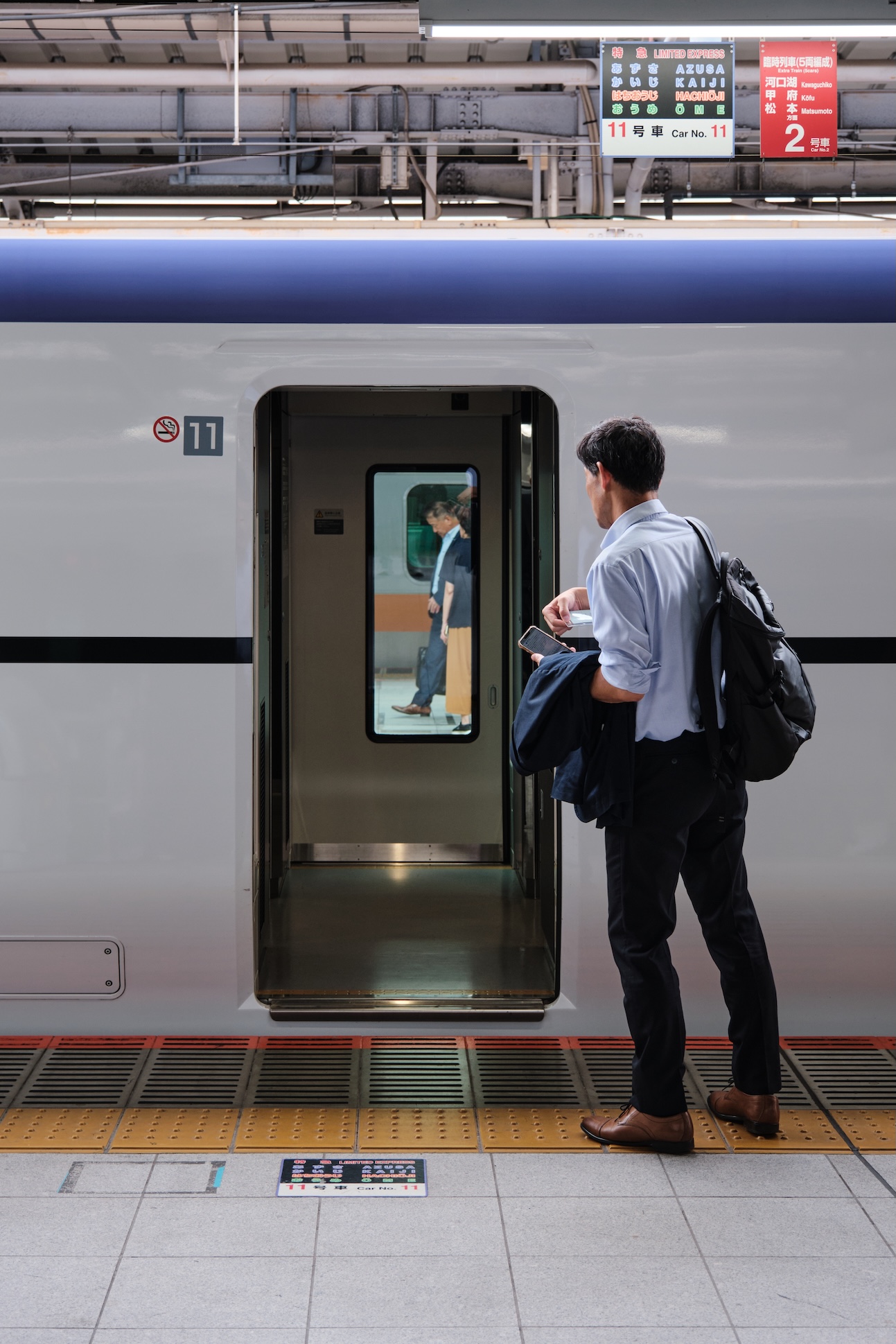
Before Japan, I thought that Europe is the most train place in the world. But here is another level. Here makes zero sense to have a map for the metro, because it would take more time to get around with the map rather than doing so any other way. It is huge and complex.
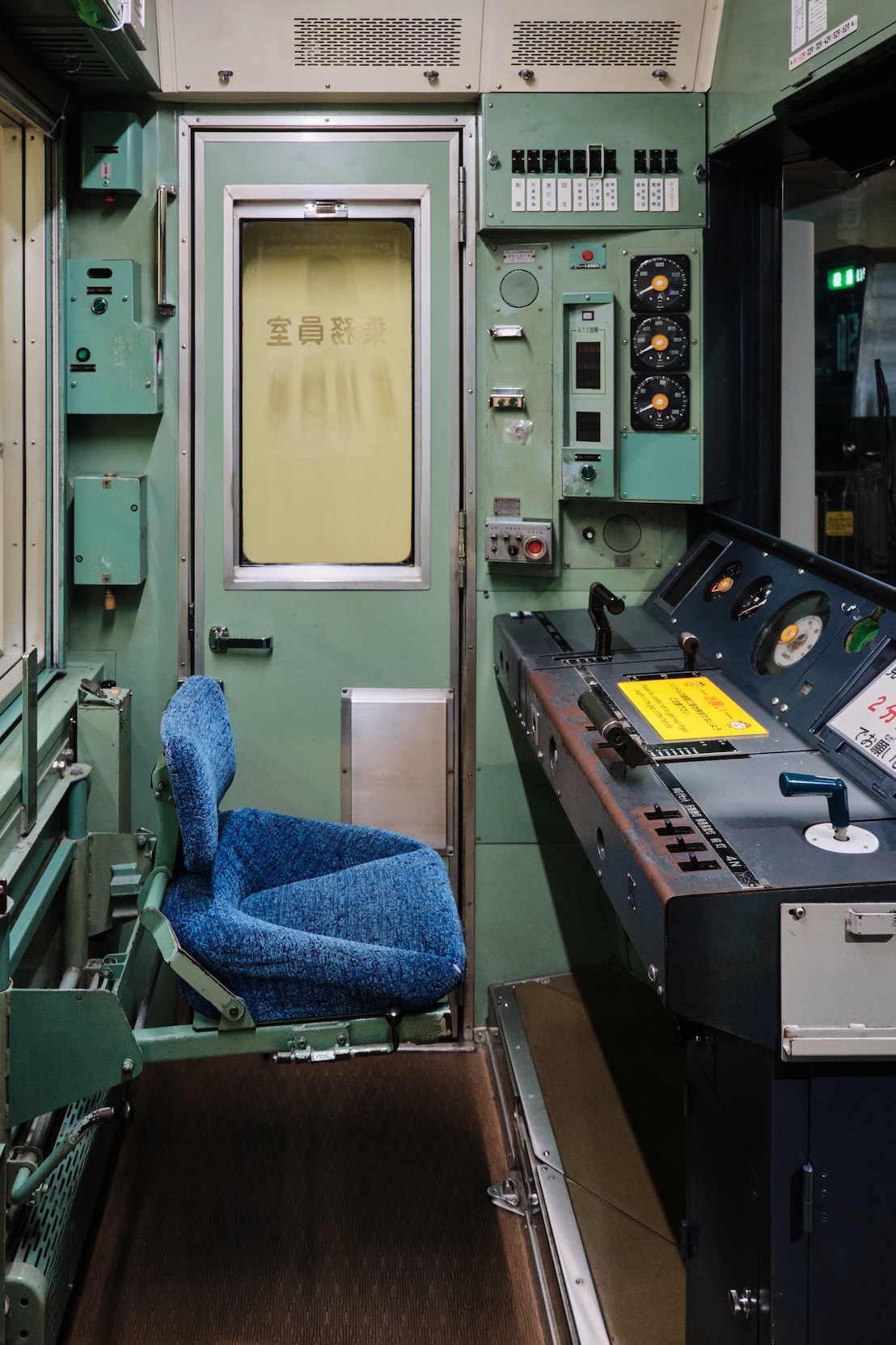
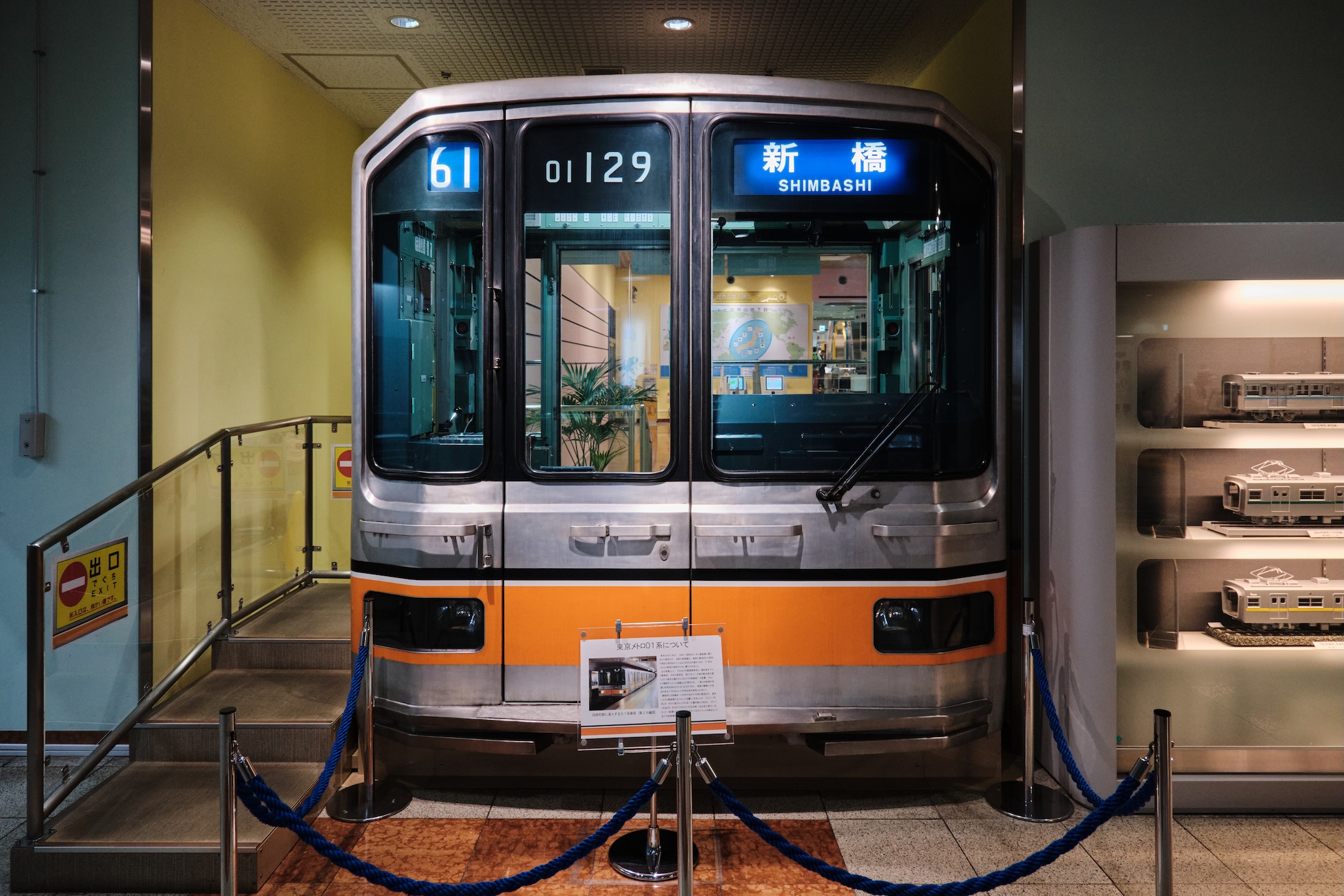
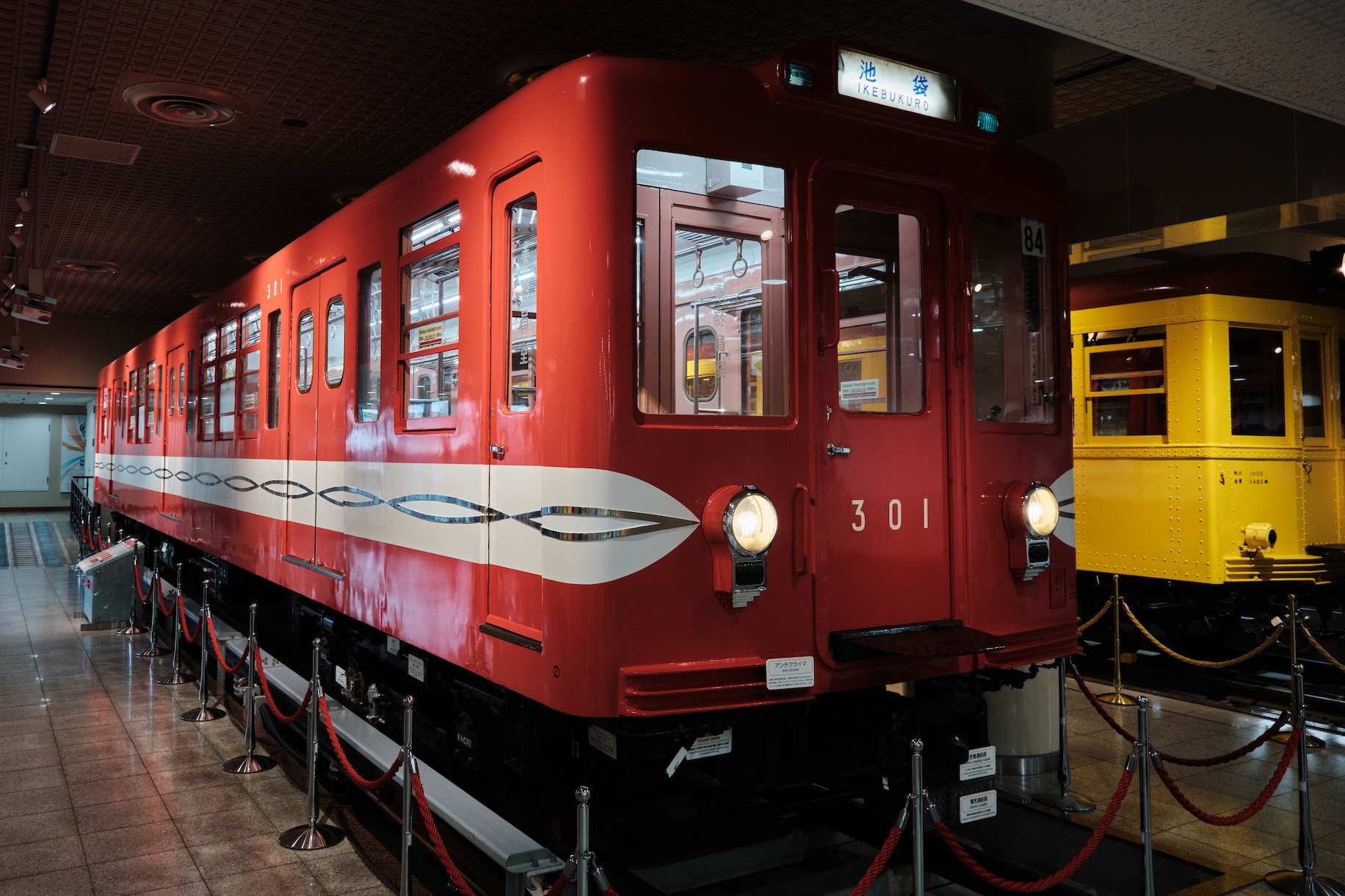
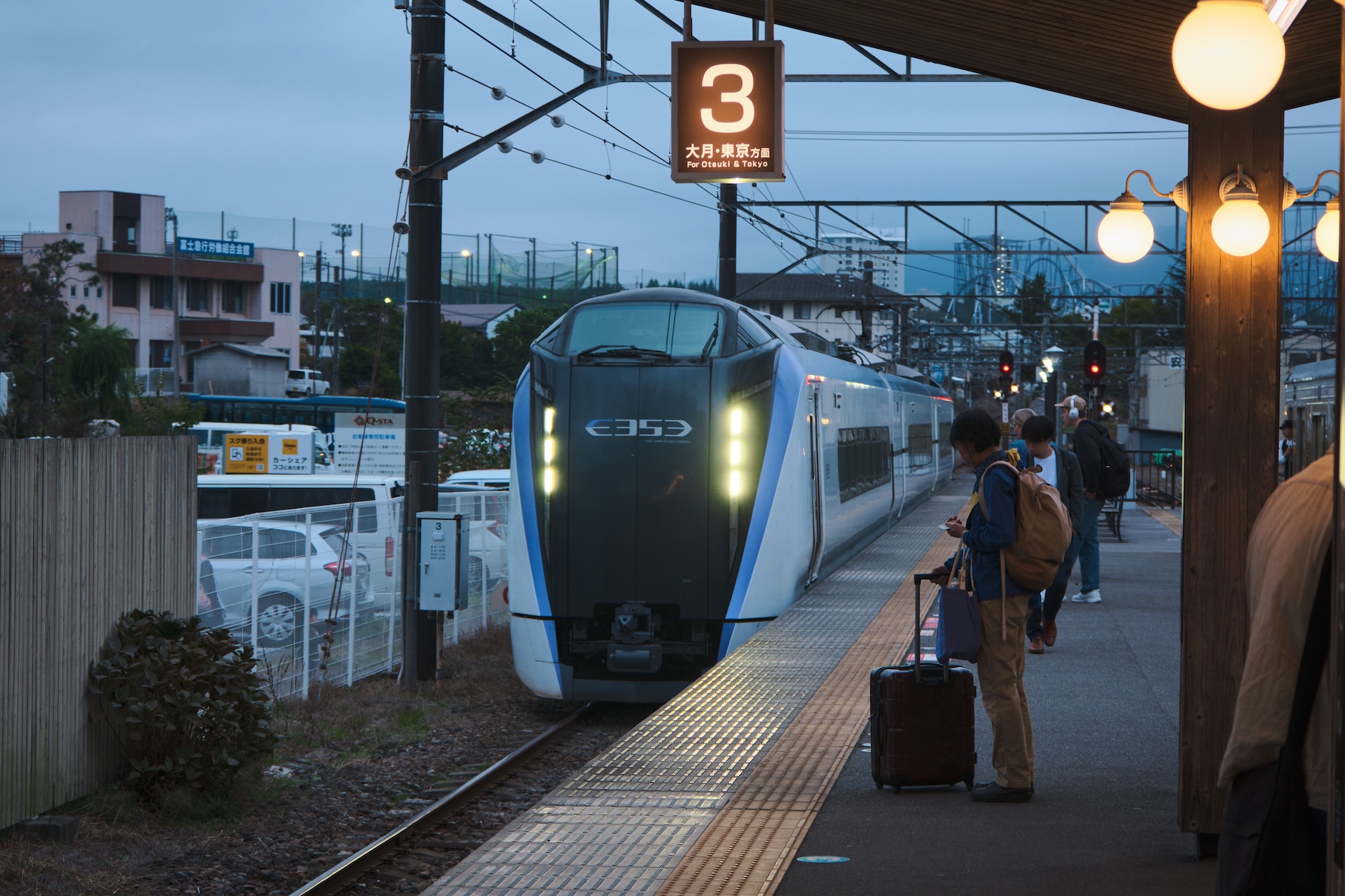
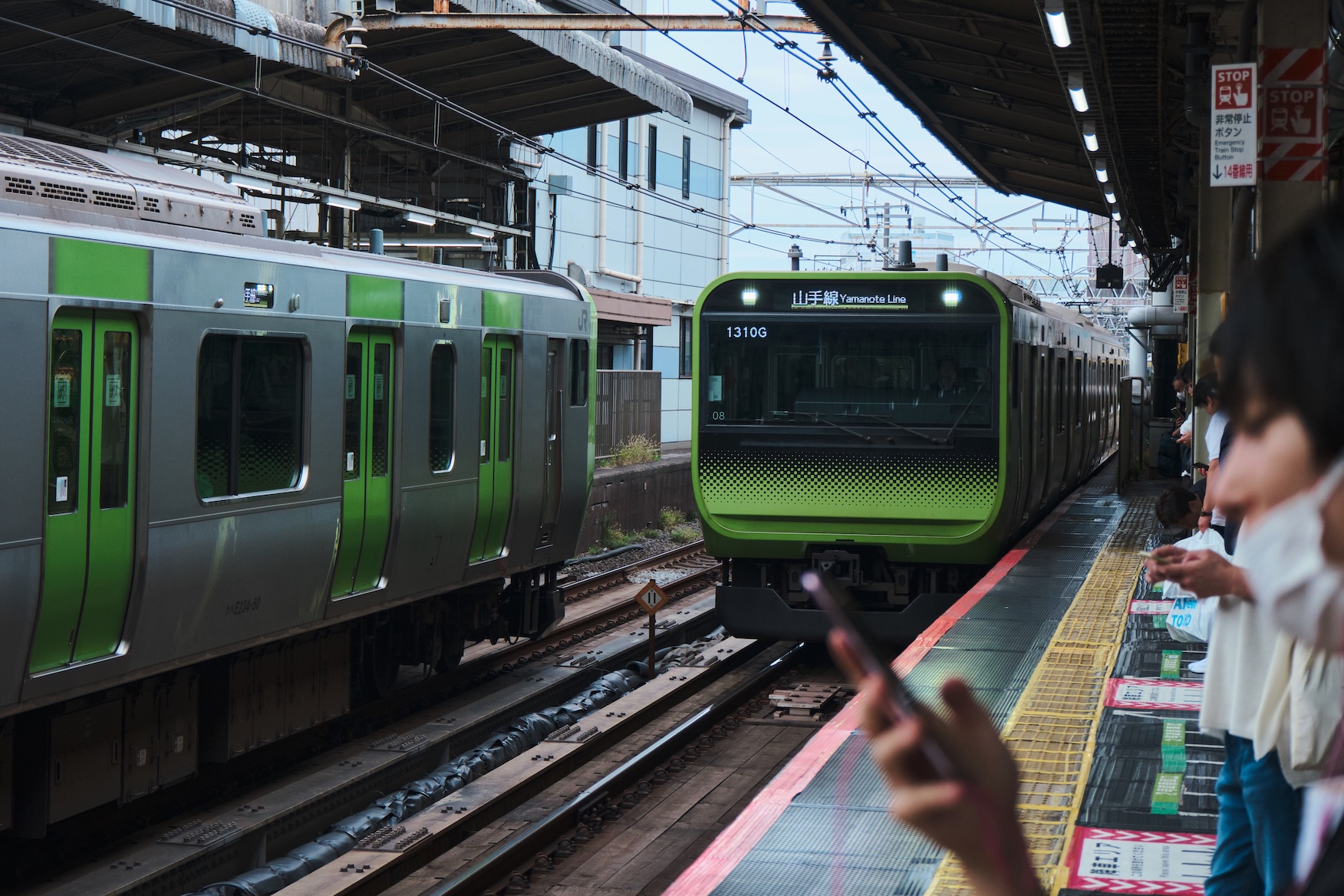
The fact I knew but forgot and then understood was that all trains in Japan except Shinkansen trains use narrower rails than usual. Only the Shinkansen has a standard gauge. This makes it impossible to mix the Shinkansen system with any other. So, having all this interest in trains and metro we visited a Metro museum in Tokyo. It was the best rail museum I ever visited. Simulators, full-scale tunnel model, very well-preserved rolling stock from the past, and full but not boring explanations of how everything works and where it came from. A must-visit place for transportation fans!
Fuji excursion
One day we decided to go to a famous area near Mt. Fuji and get some countryside (even though a touristy one) atmosphere.
After a 20-minute walk inside the Shinjuku station labyrinth, we found our train and the journey began. I almost immediately fell asleep and what felt like the next moment unveiled the true scale of Tokyo. We were going without any additional stops for almost an hour, but the city didn’t even start to end. Still struggling to fully comprehend it. The only thing I can certainly say: I wish everyone would get this feeling and understand how huge the power of many people is. What is impossible for one can be done by many. Can’t imagine the complexity of city systems. But it is fascinating.
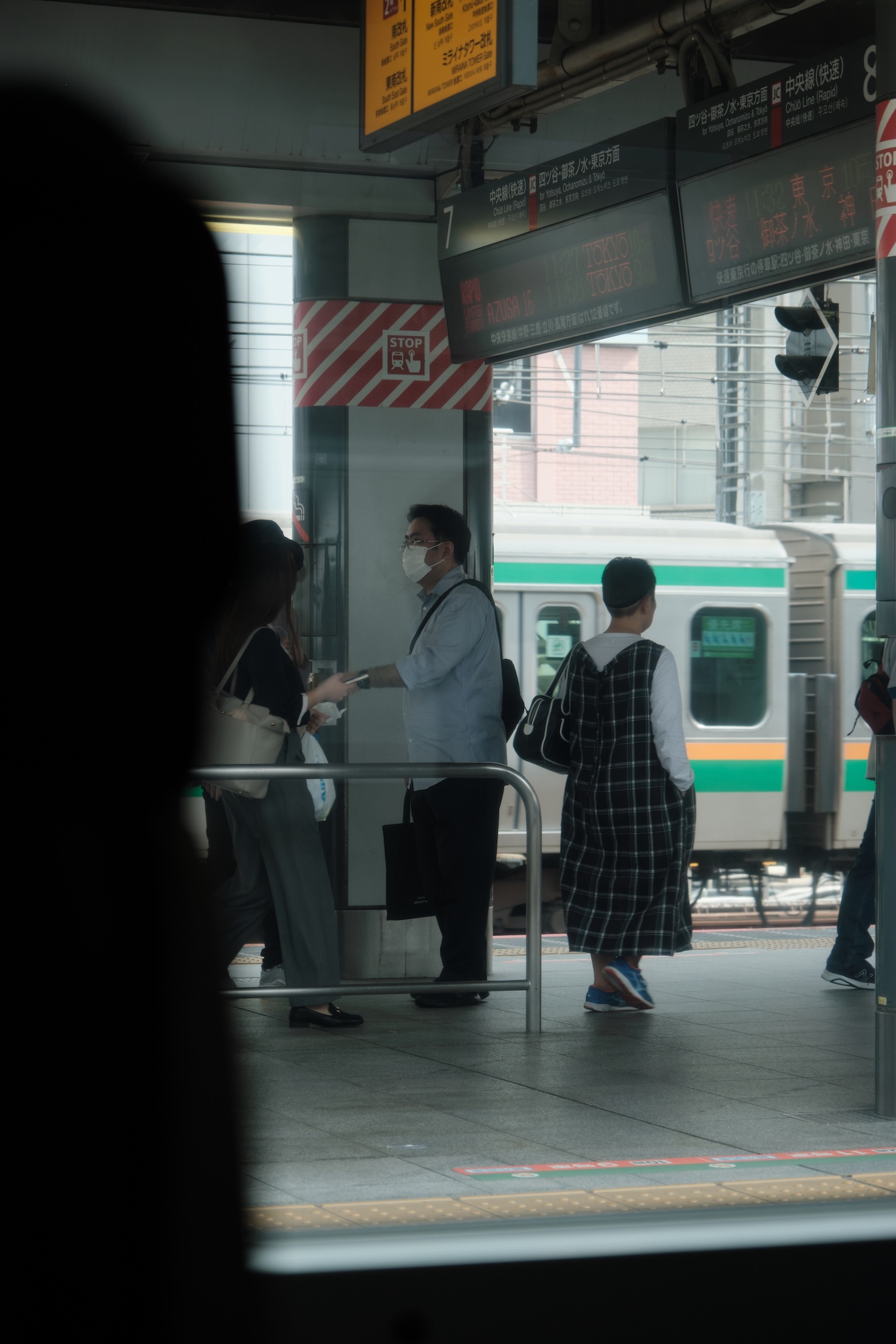
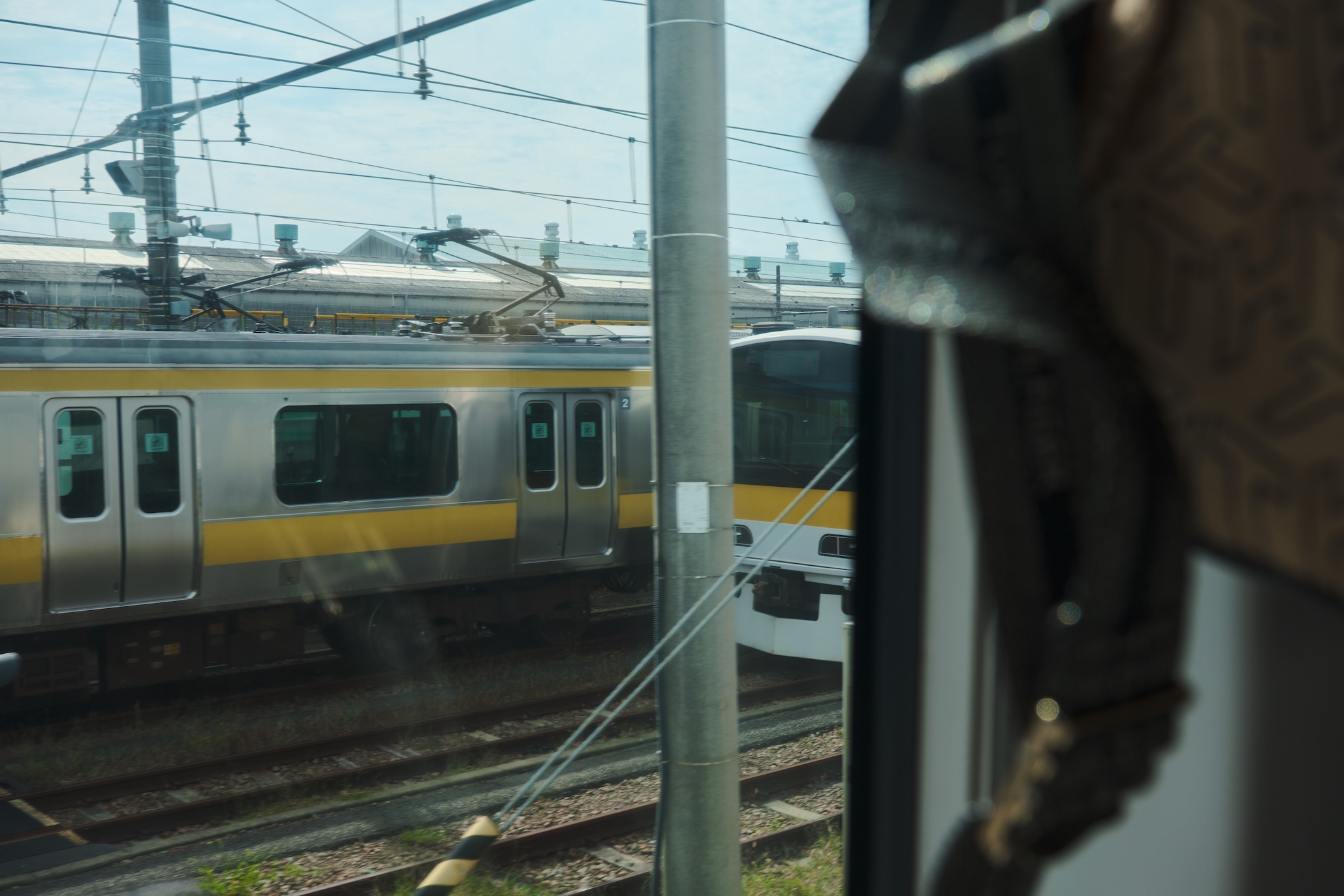
Finally, after some more minutes of journey, we saw several train depots and the city started disappearing.
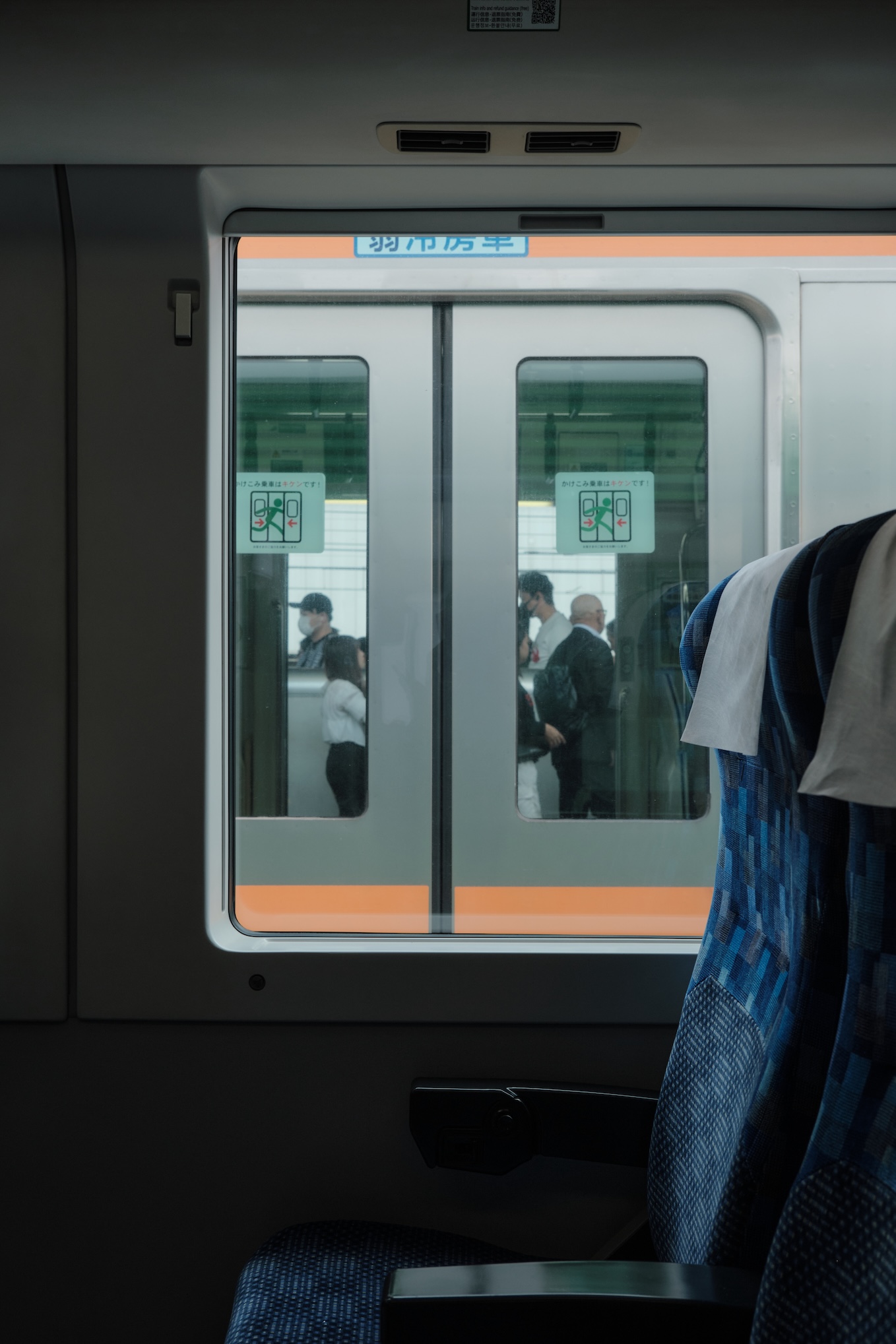
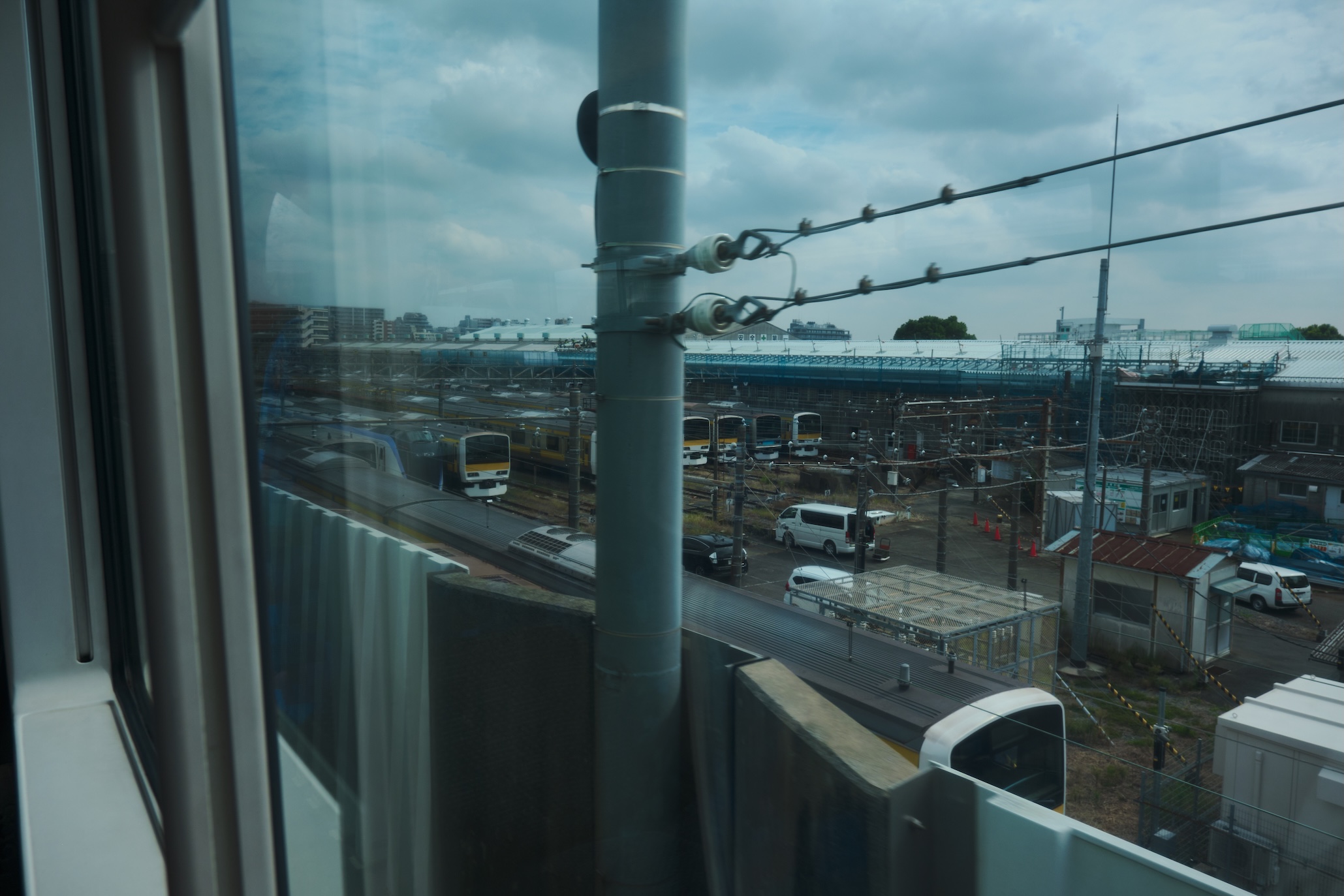
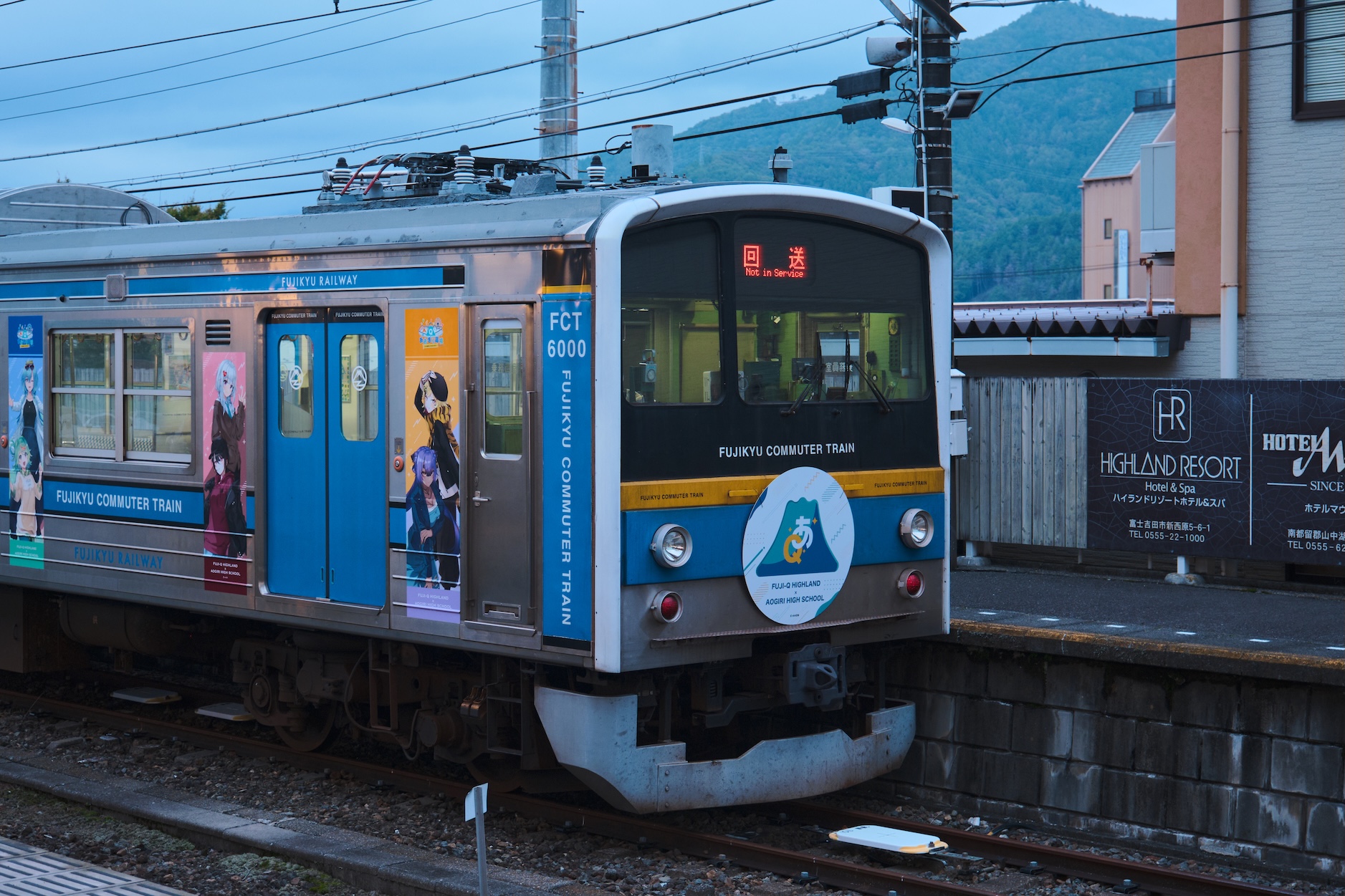
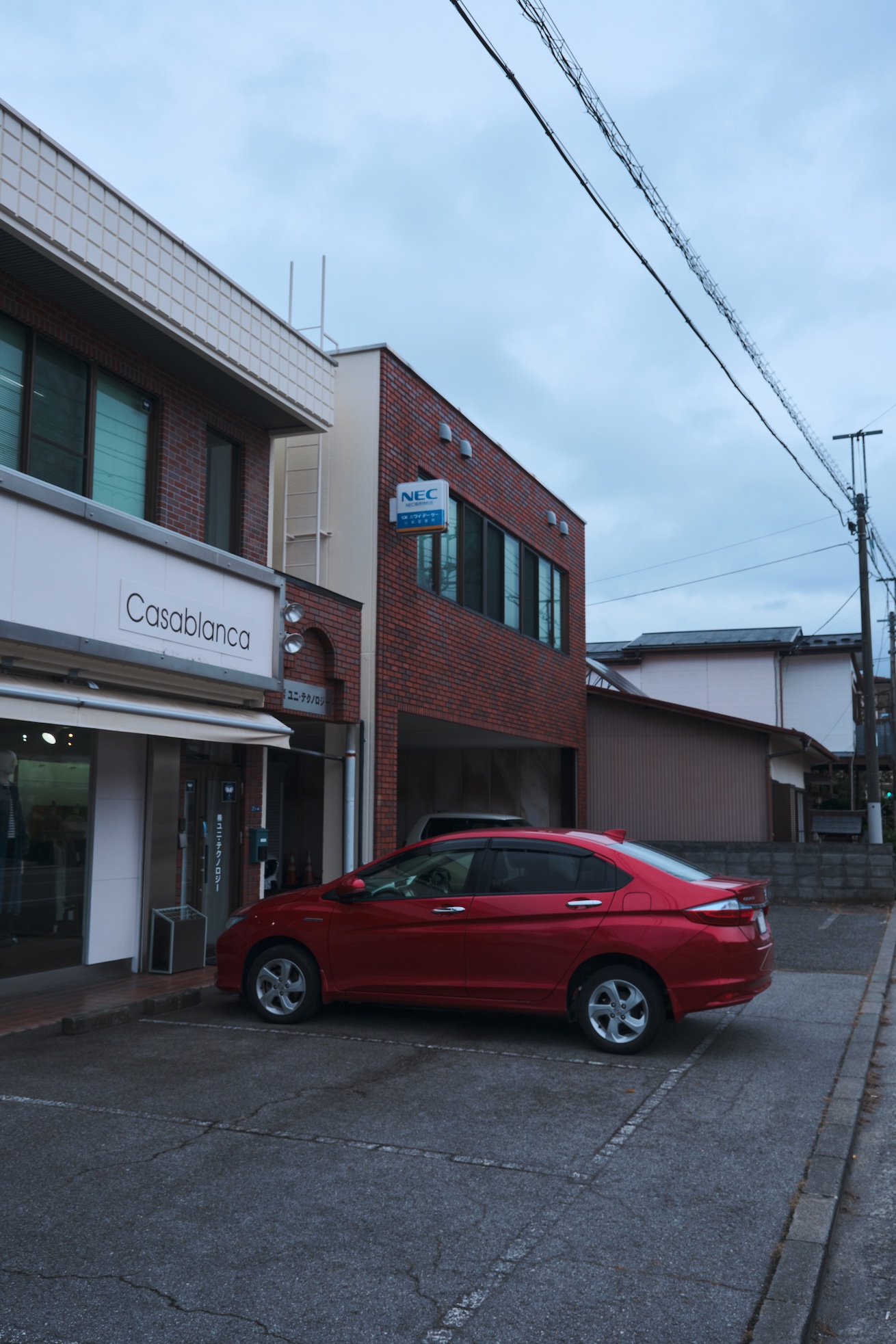
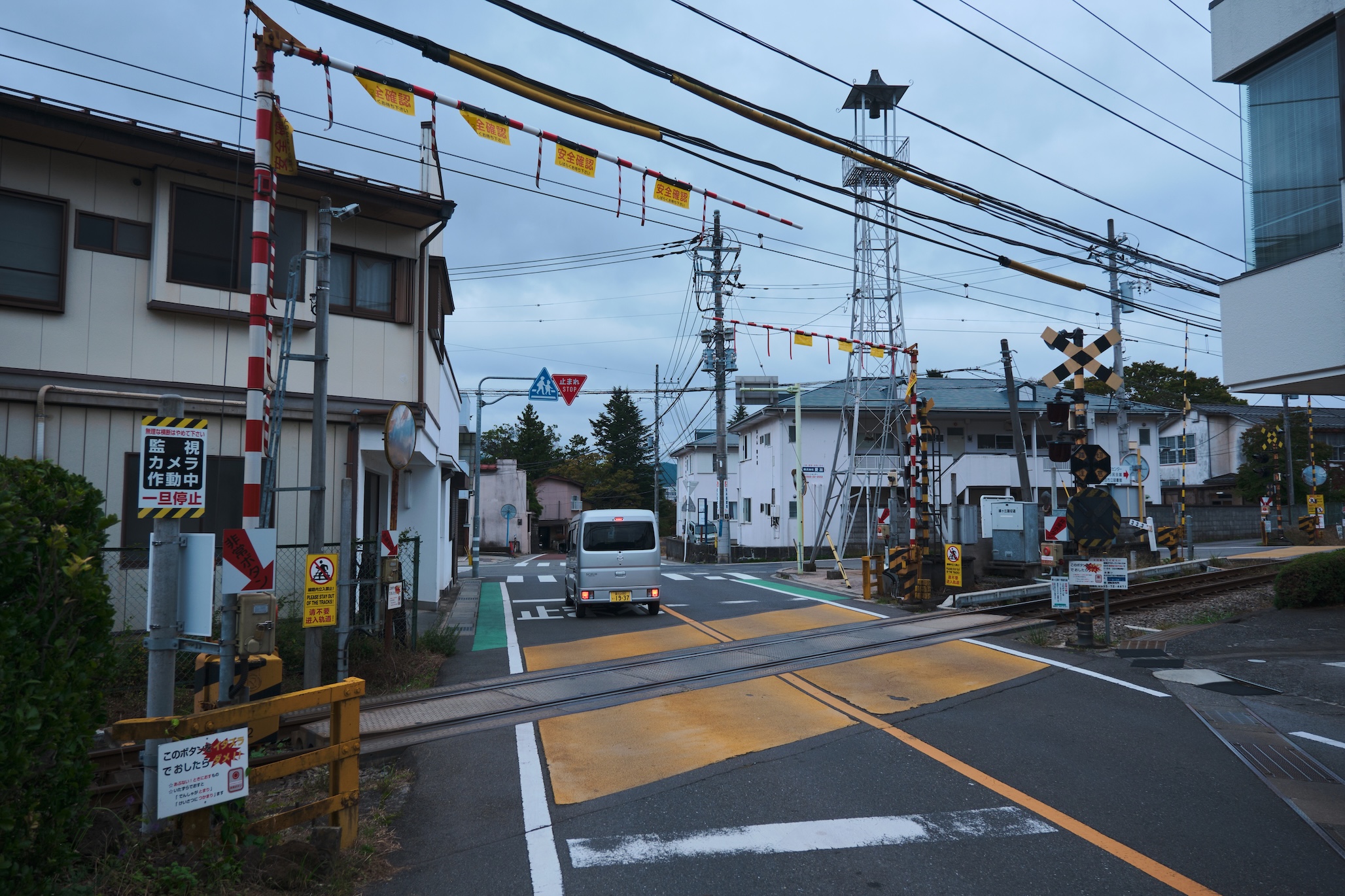
I think I didn’t decide which film simulation to use in Tokyo. Seems like any of Fuji’s own presets can suit this place in one or another situation. That’s why it was mostly a mix between Astia, Classic Chrome, and Eterna. And this time I want to separate digital photos and analog ones. The analog part comes after with fewer words. But now the train arrived at Shimo-Yoshida Station.
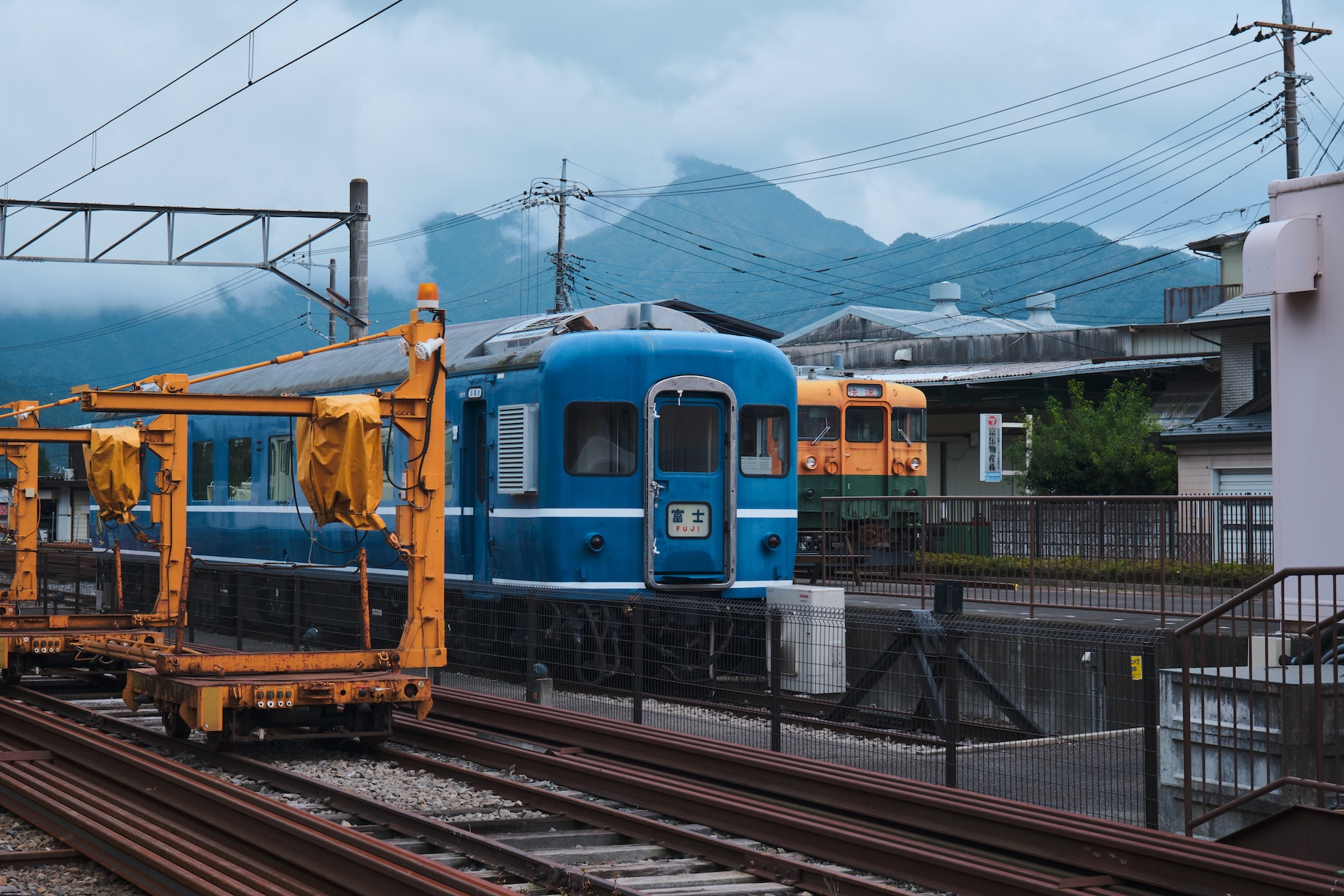
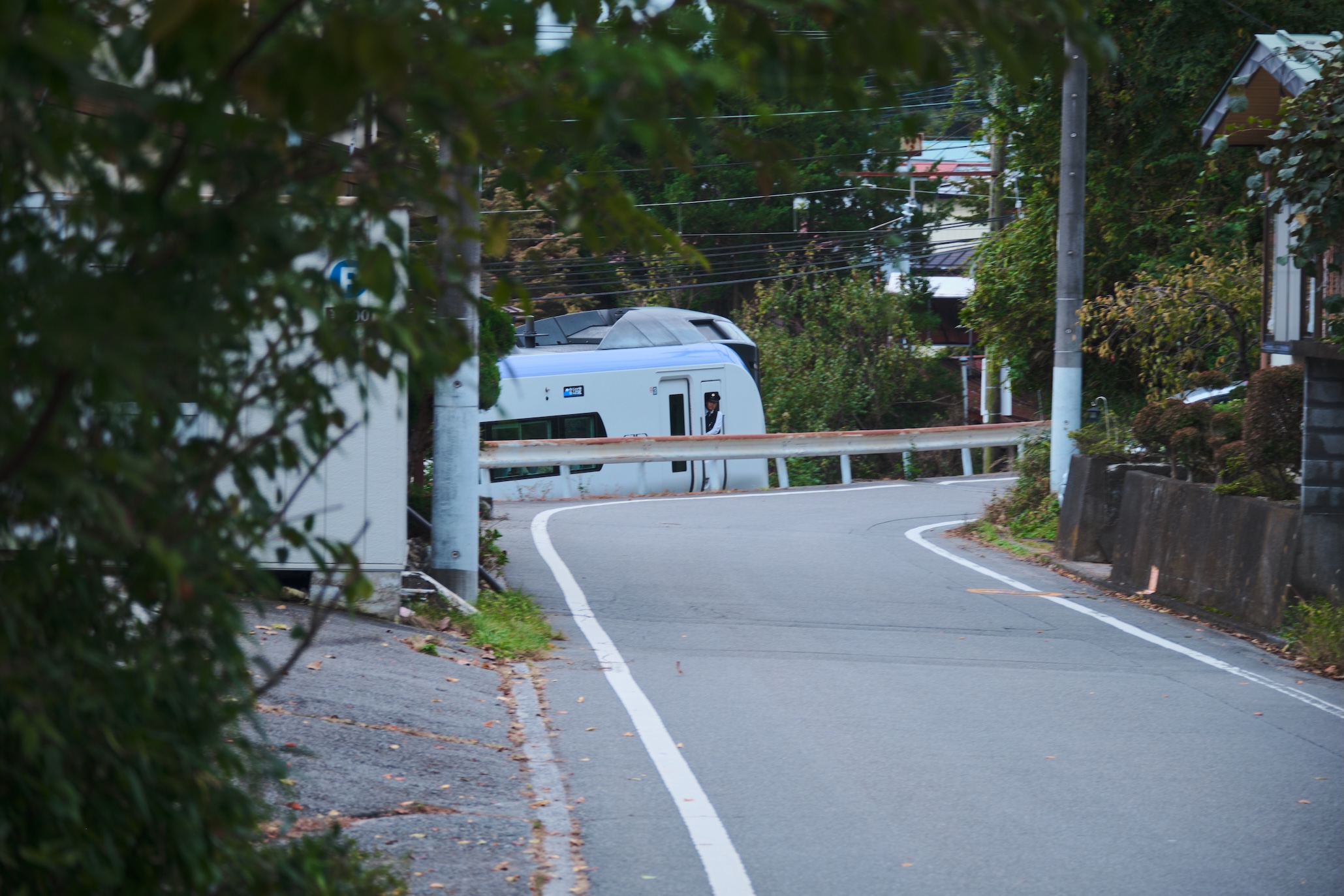
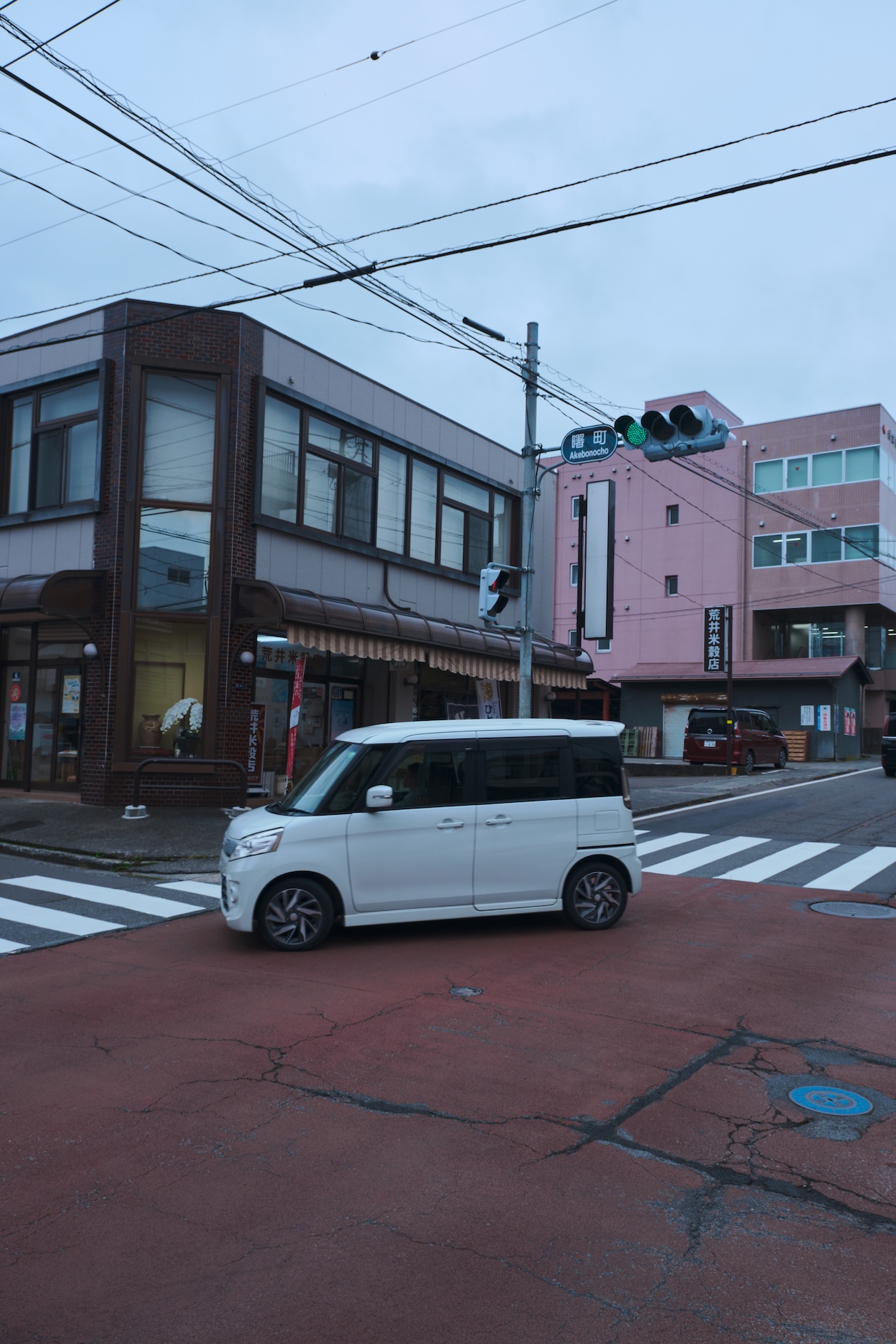
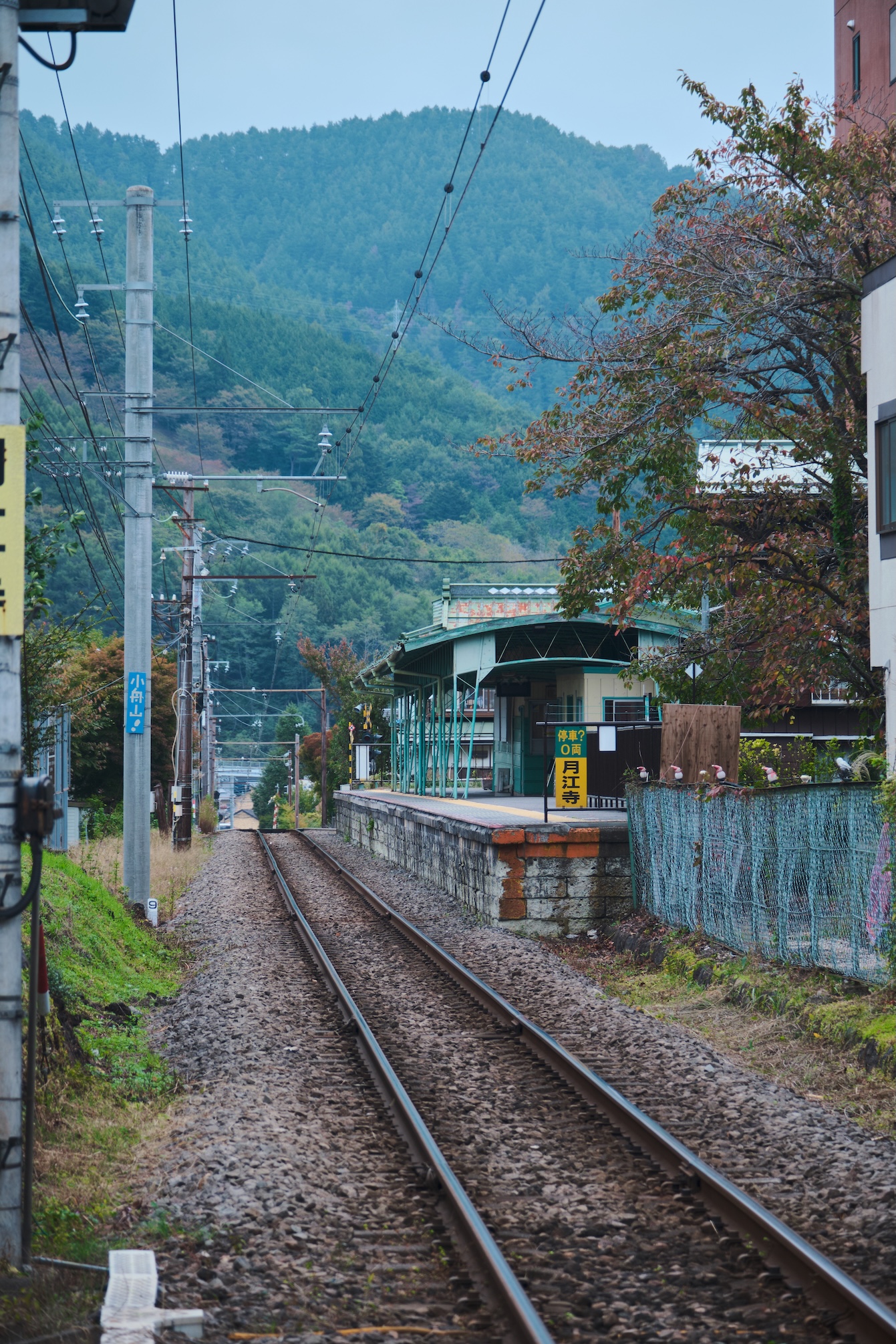
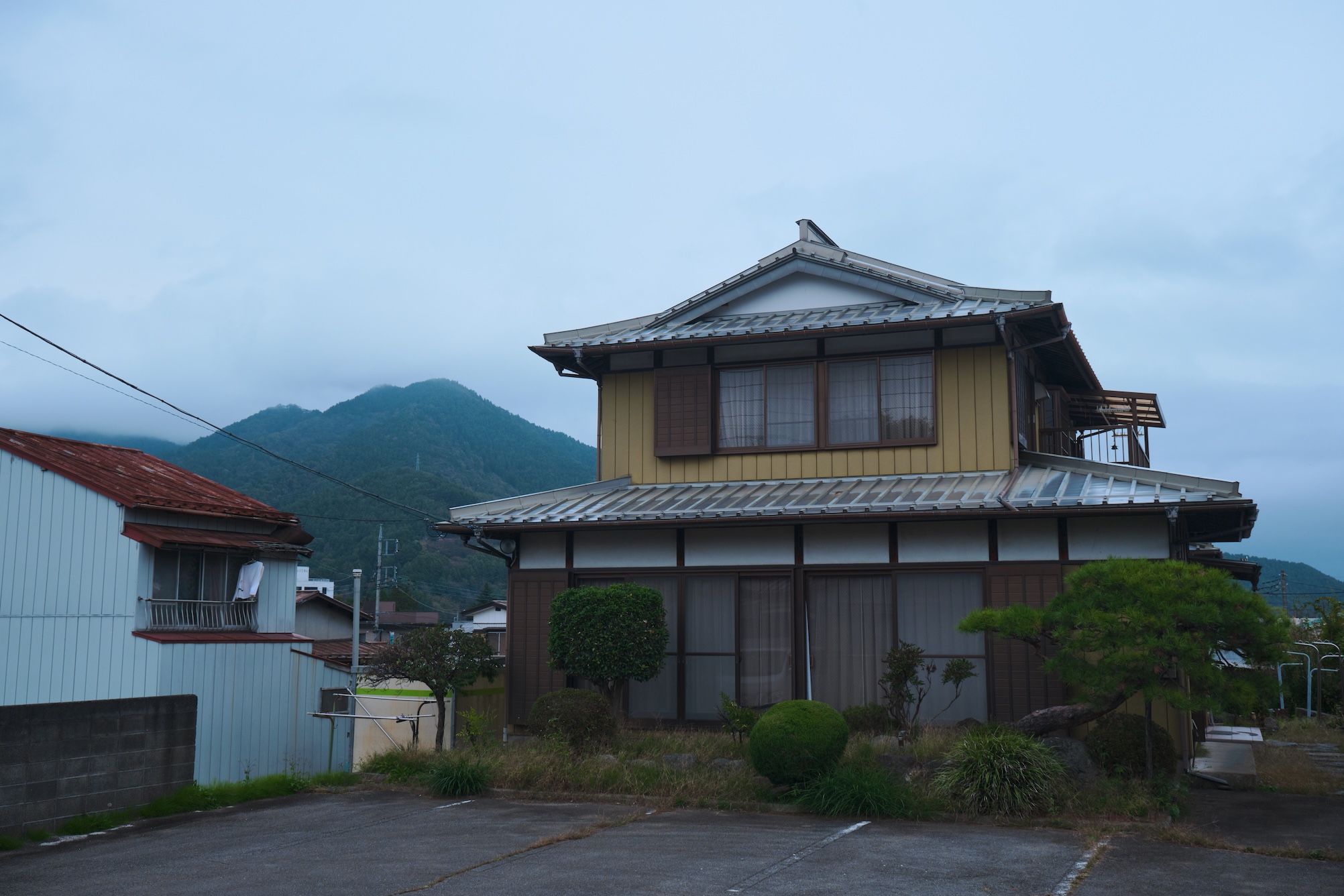
These two photos are some of the most liked by me from this trip. Old trains, mountains, and clouds in the background make a mix of colors that feel soft and cozy, and the contrast of airy nature and heavy machines gives this atmosphere of human impact coexisting with mountains and clouds.
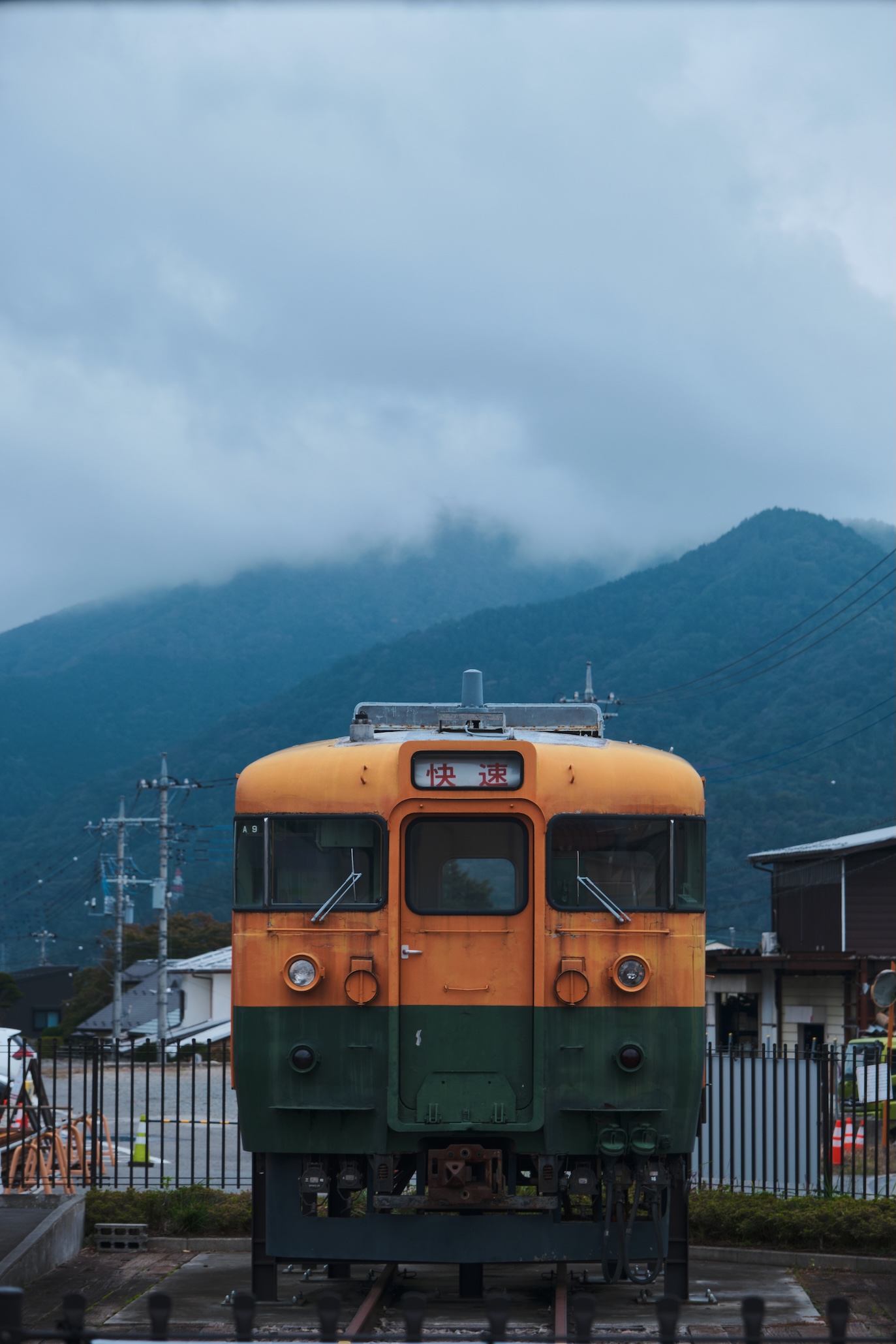
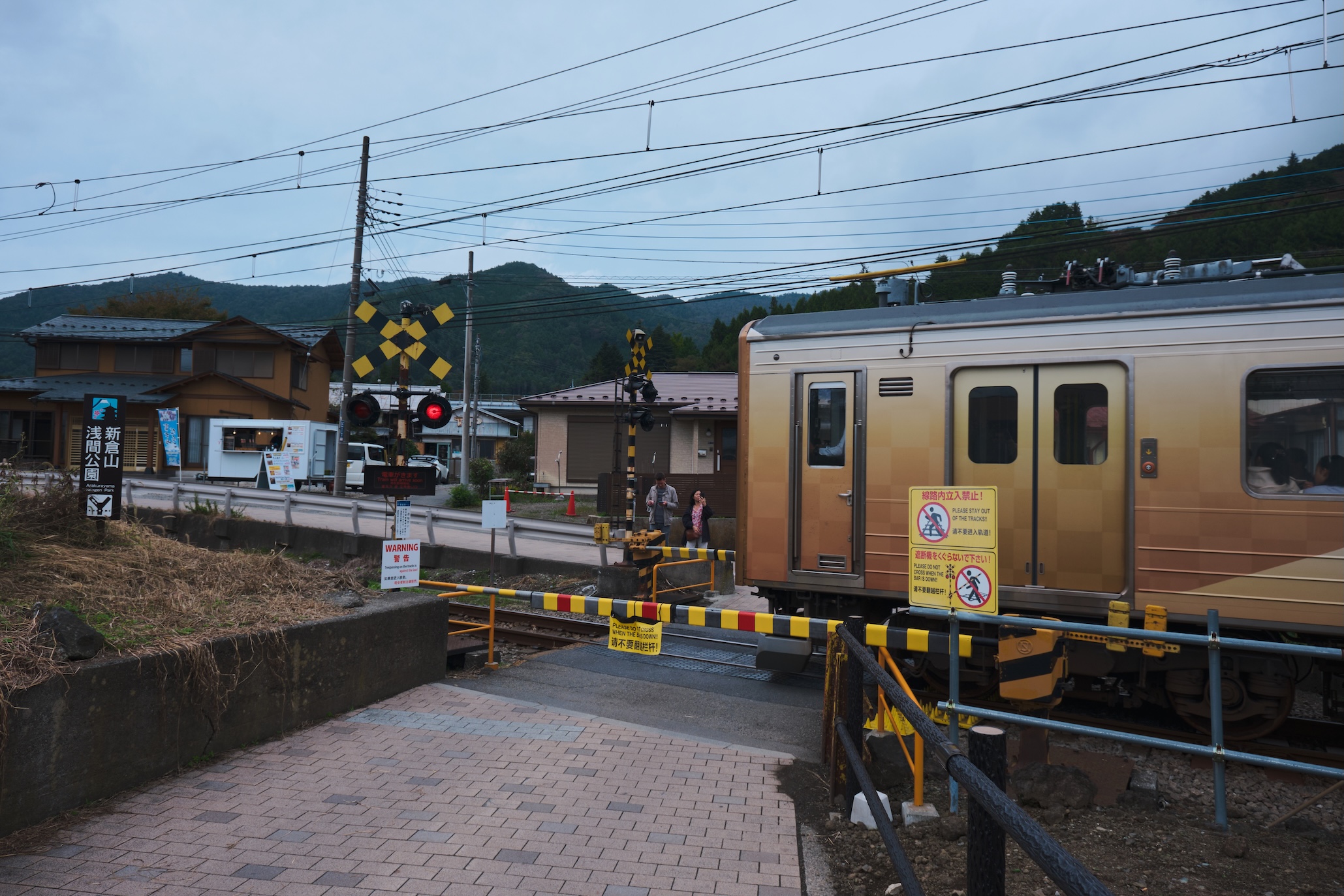
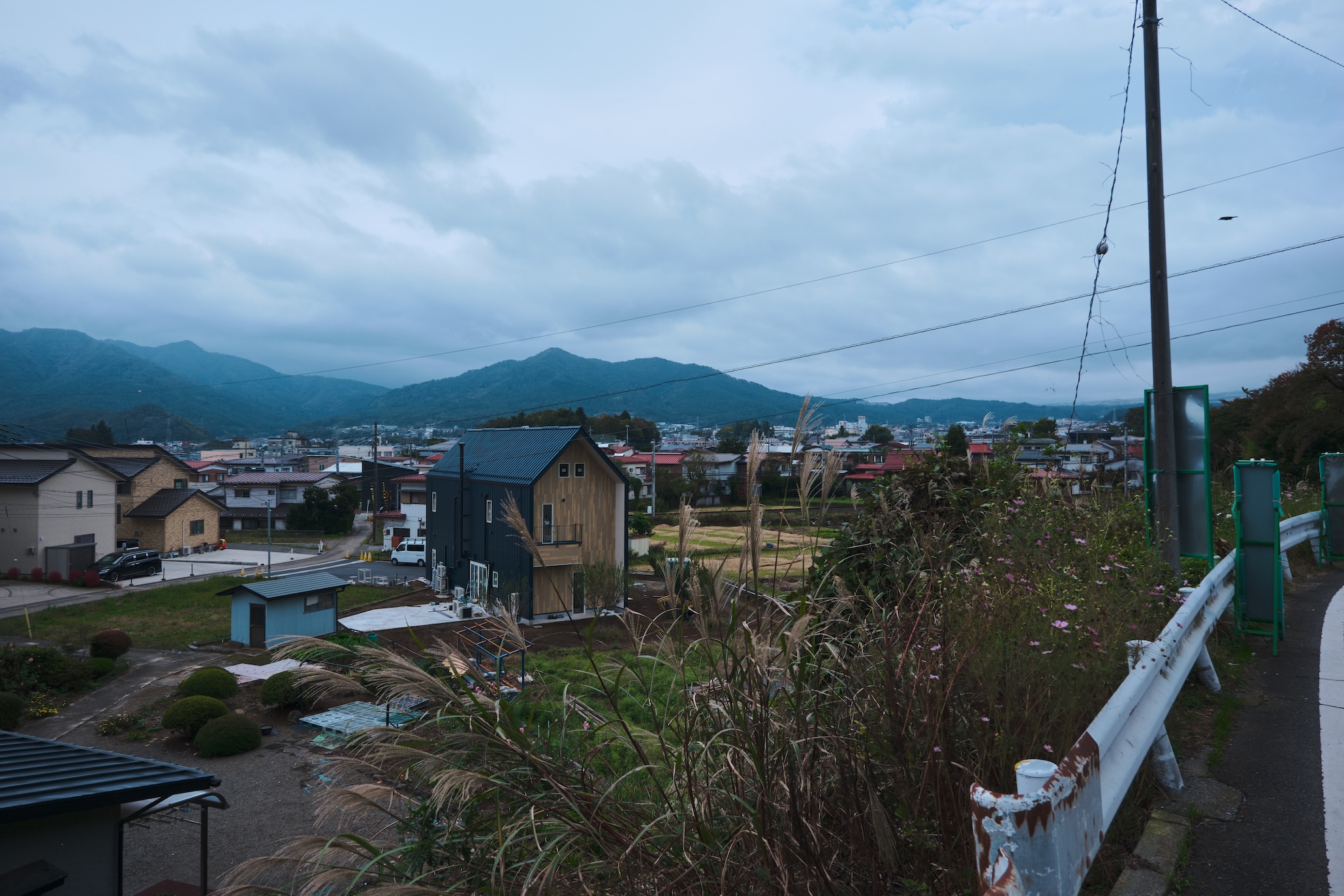
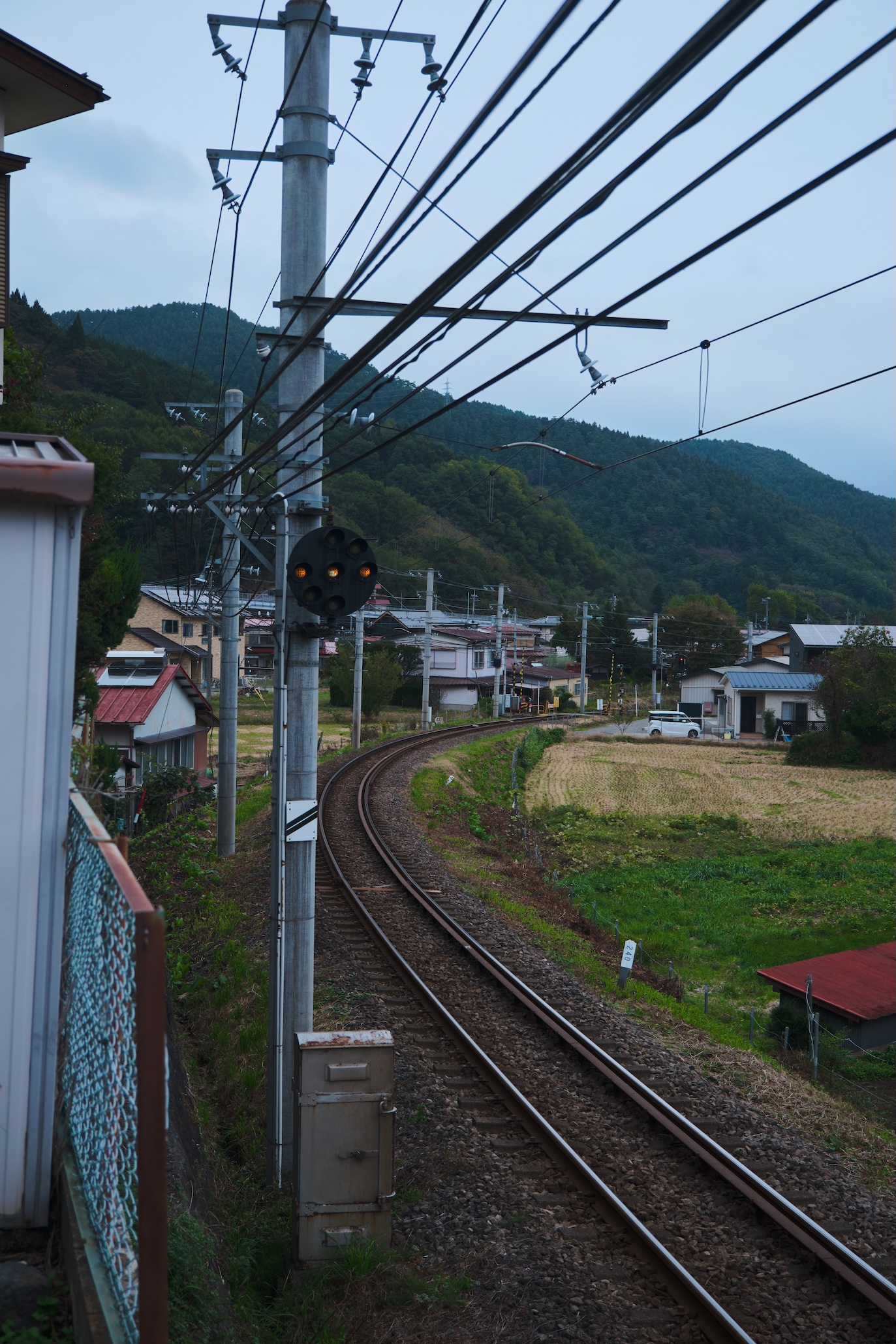
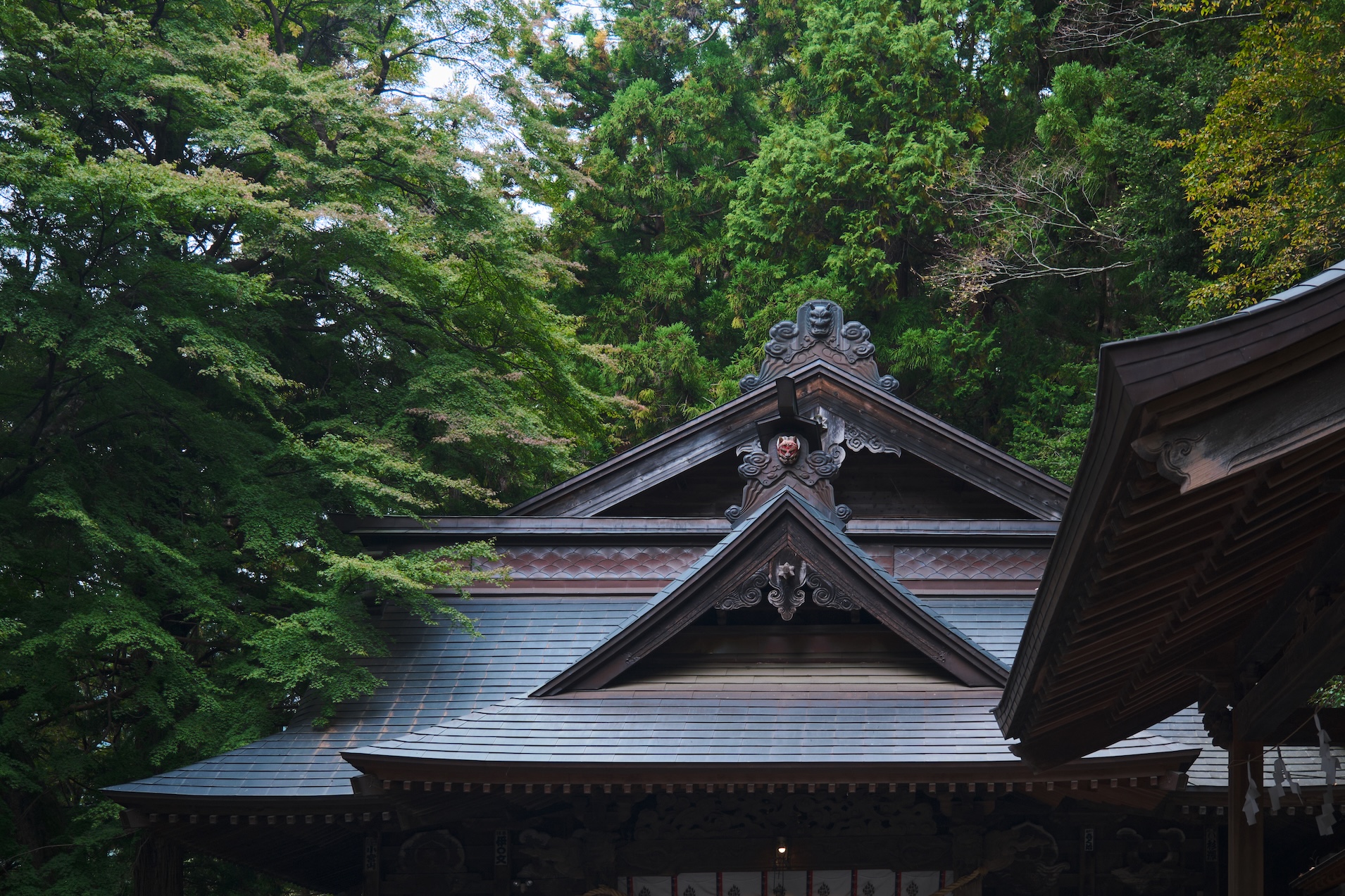
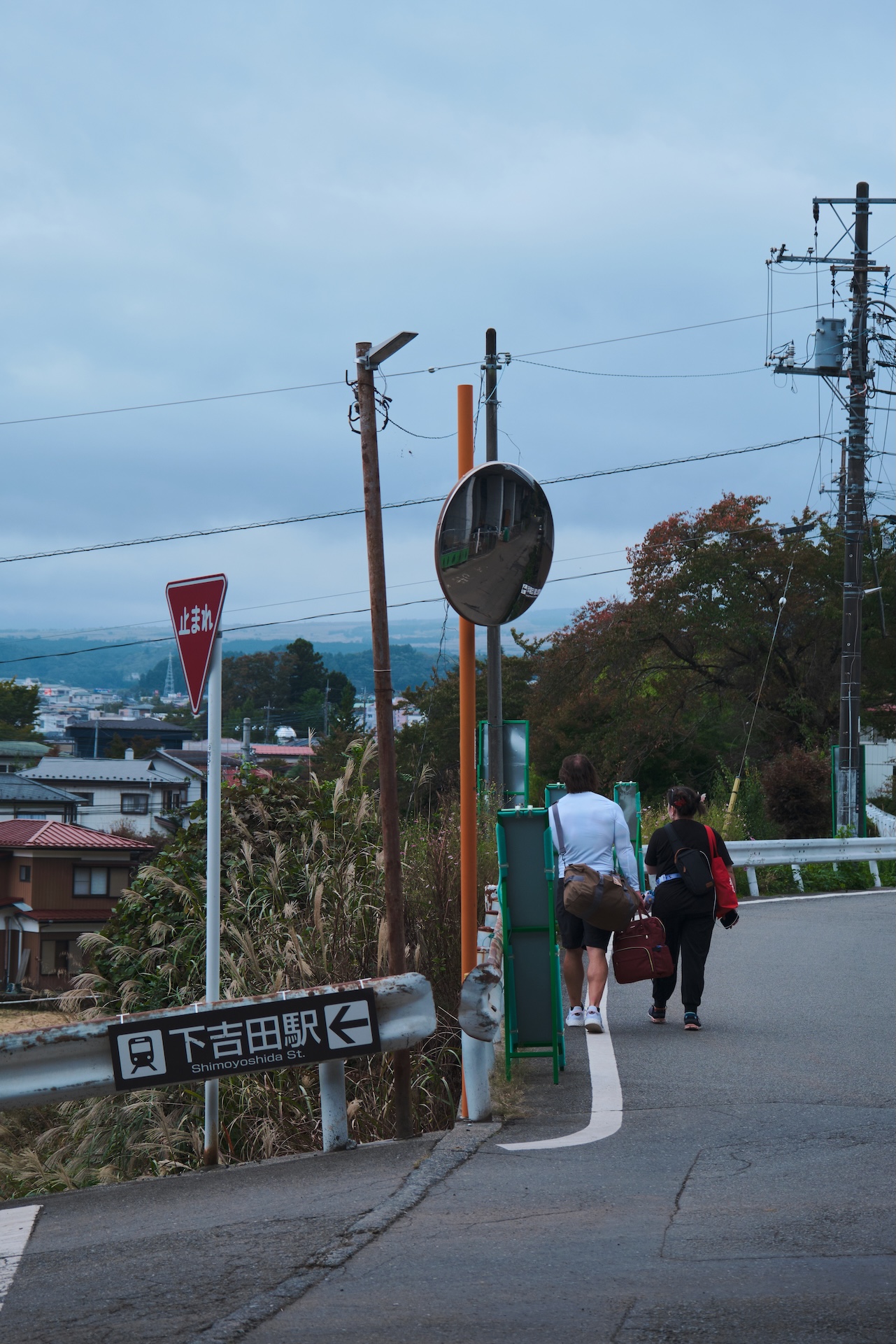
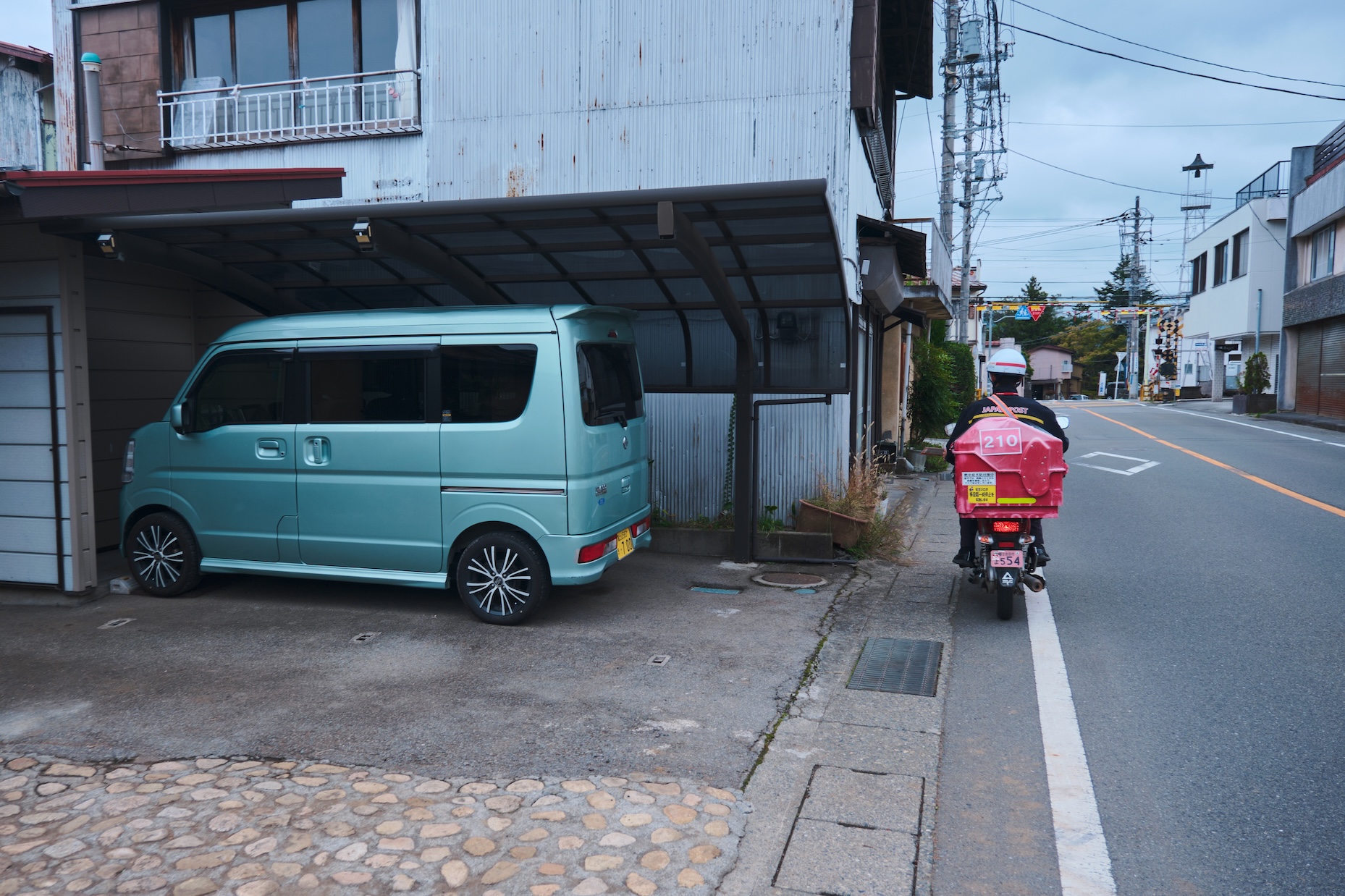
The area overall is pretty peaceful, especially in later hours and between stations where the most crowds are. Well, these crowds are not even crows compared to Kyoto.
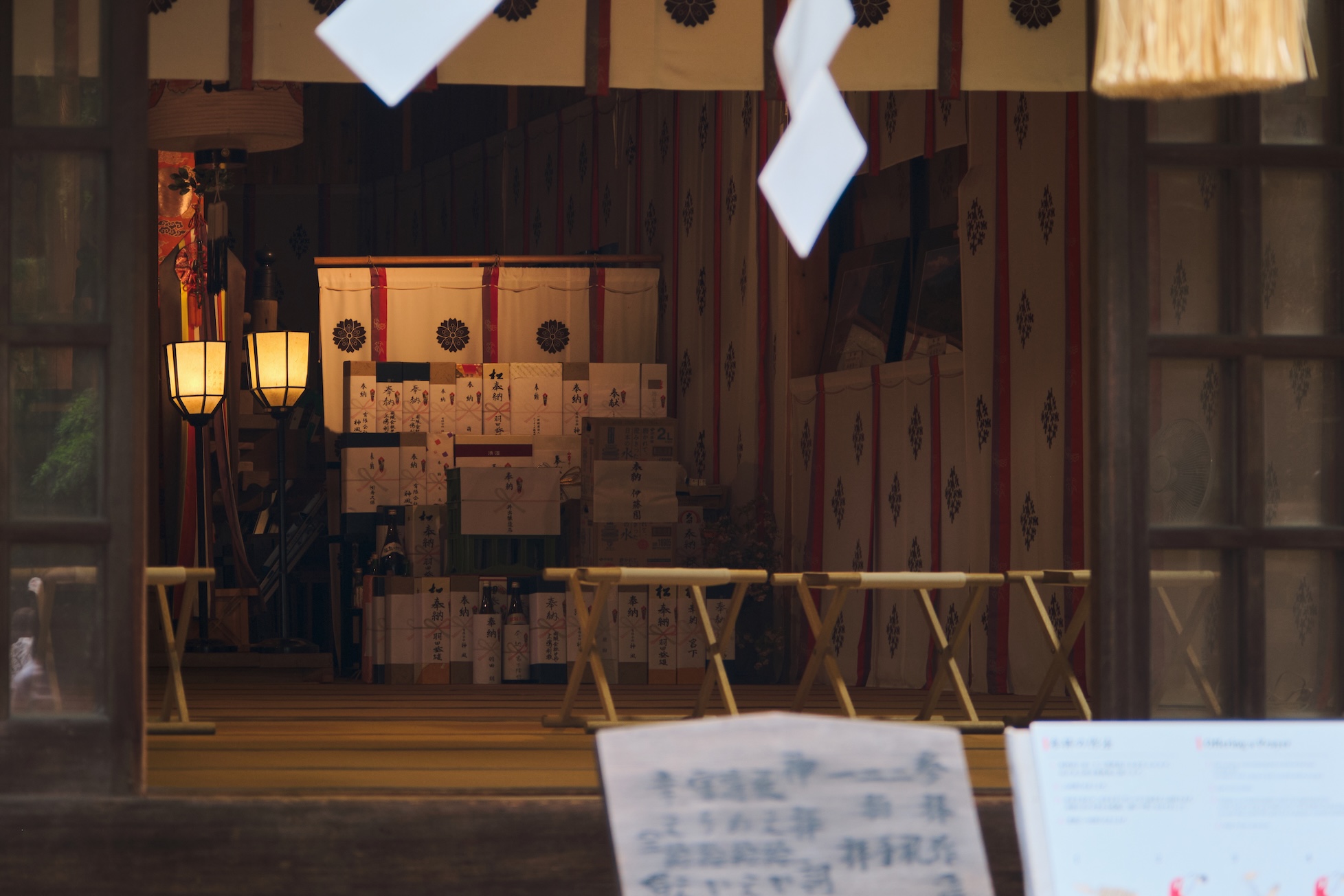
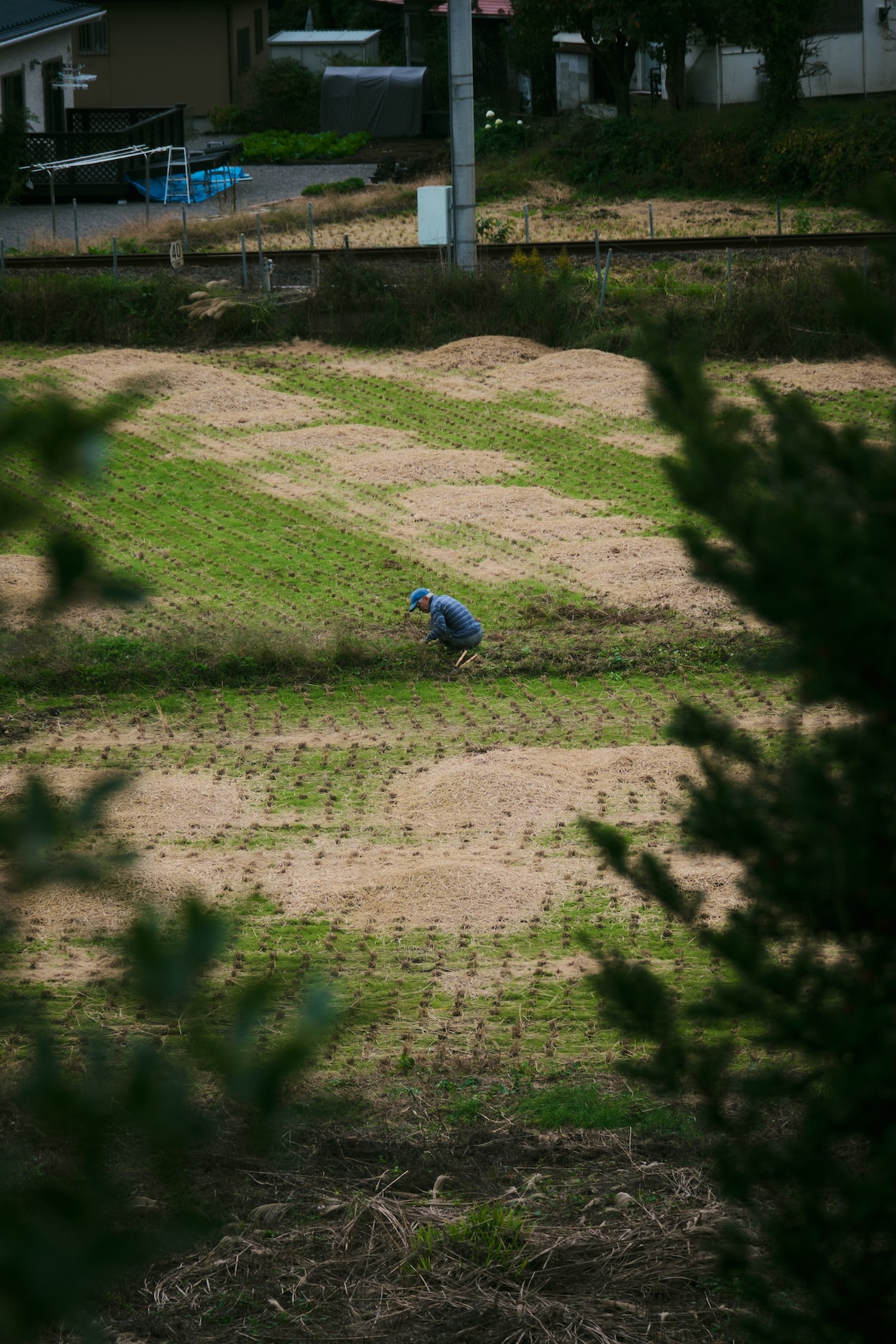
The film part
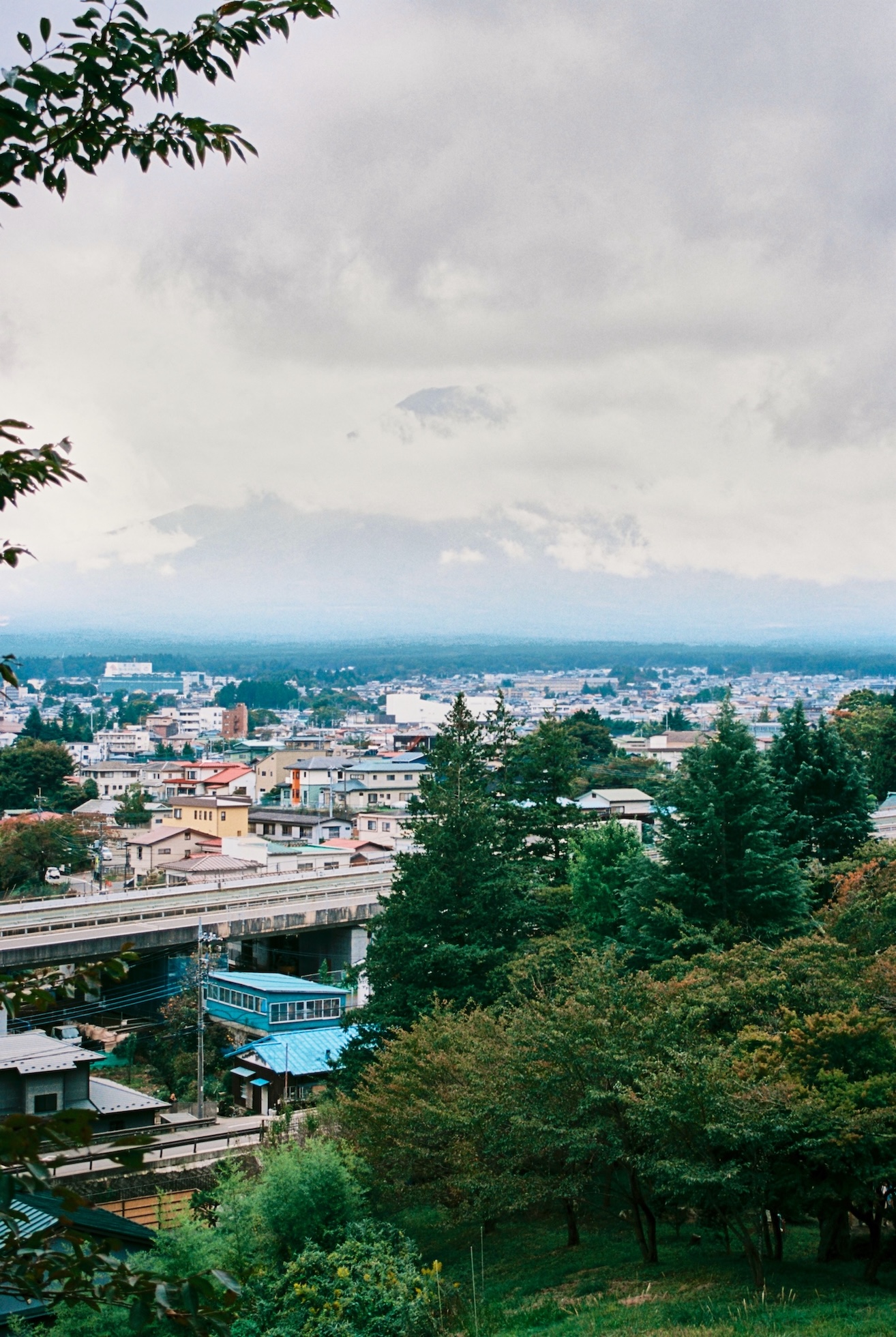
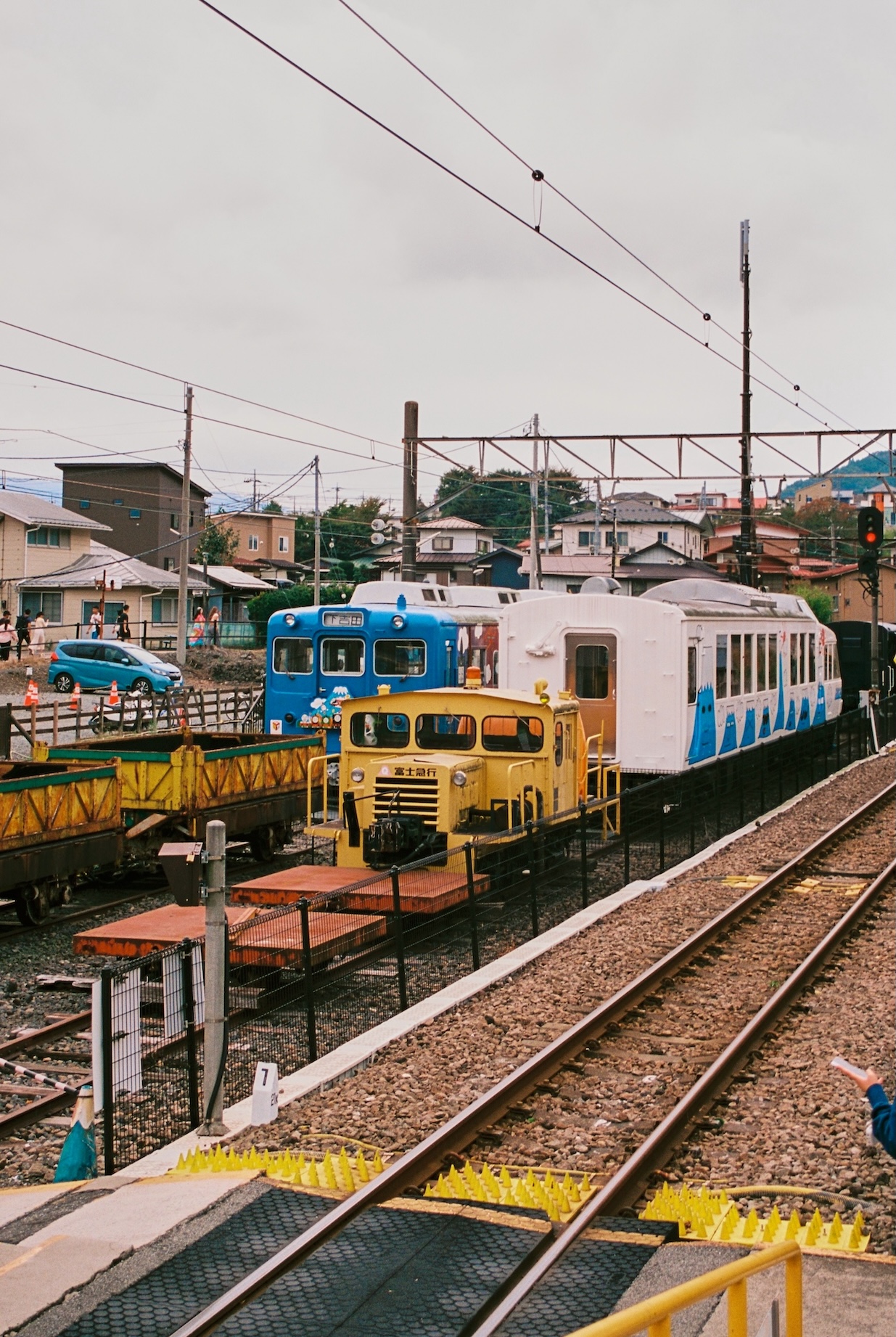
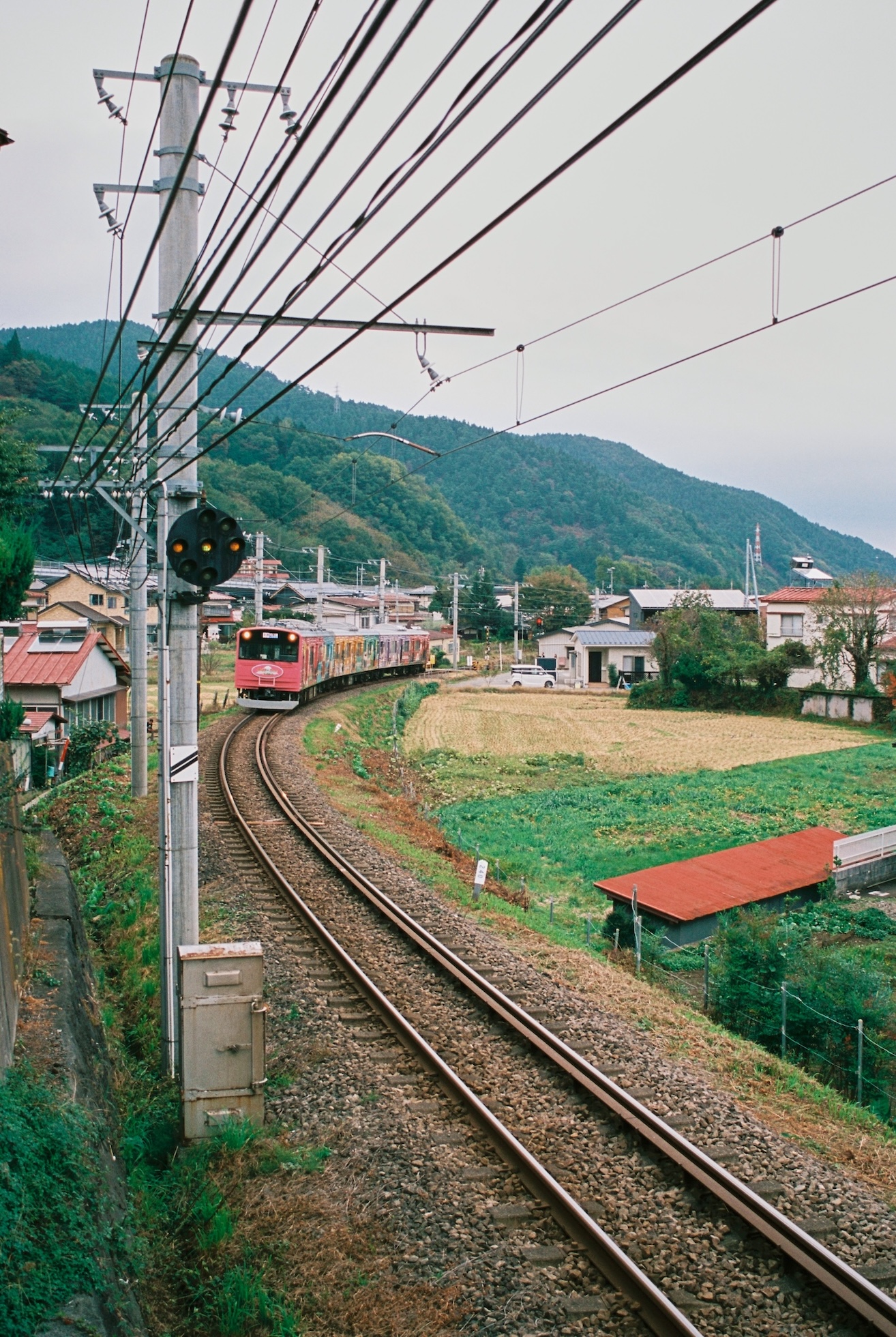
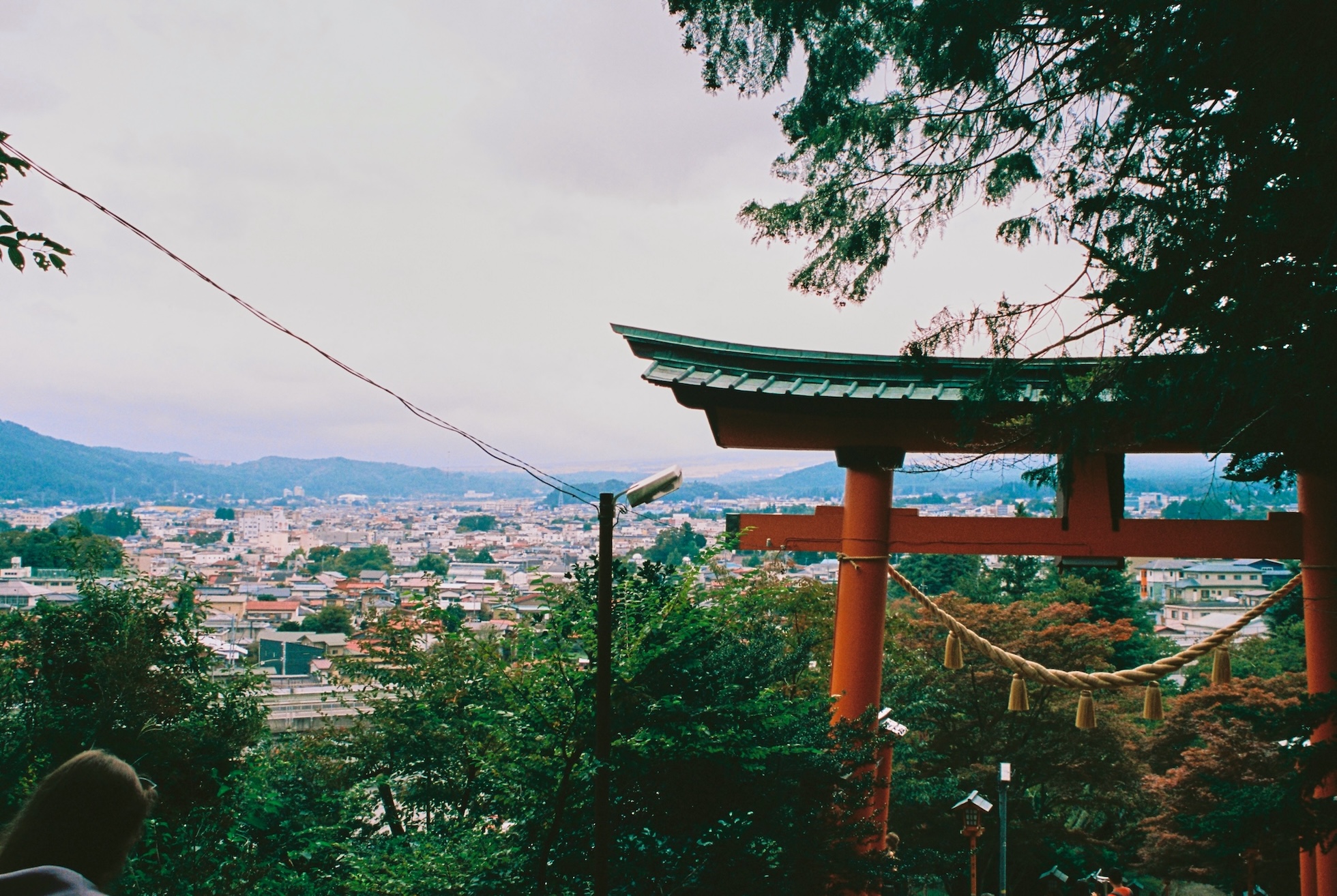
And now let’s imagine that this trip is in the past. That it was some weeks or months ago. Take a look at film photos to quickly wake up memories with the special atmosphere of the biggest city on Earth.
For this occasion, I decided to try SantaColor 100. A very special film that is actually called Kodak Aerocolor is used for aerial mapping and aerial-reconnaissance photography. And you can’t just buy it from Kodak. Only big parts are sold and SantaColor is a crowdfunding project that brought this very interesting film. I won’t shoot it on 100 ISO again. Too slow, and the film easily goes up to 400 without visible downsides. But for now, we have what we have. Bright reds and deep greens. And a lot of memories.
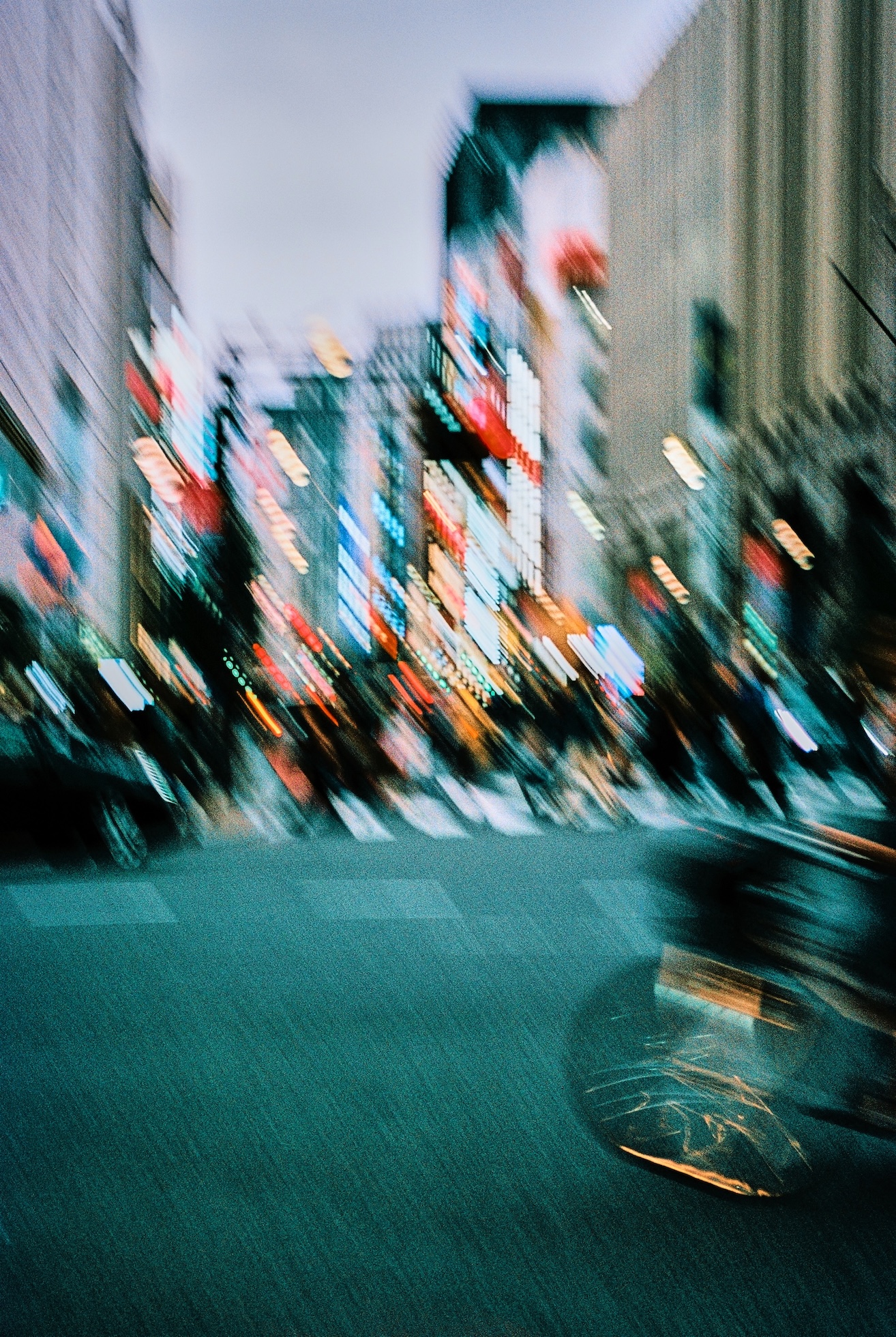

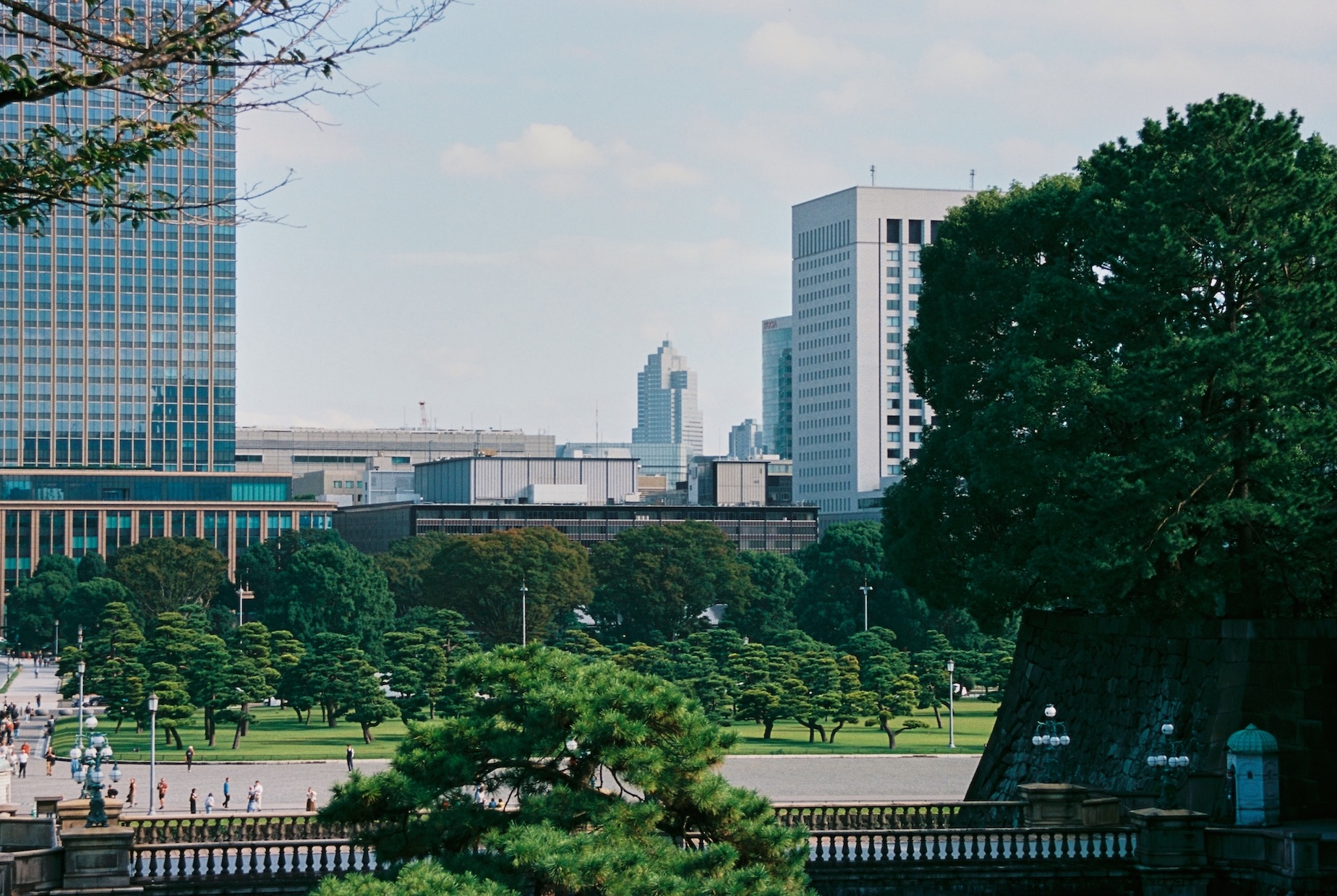
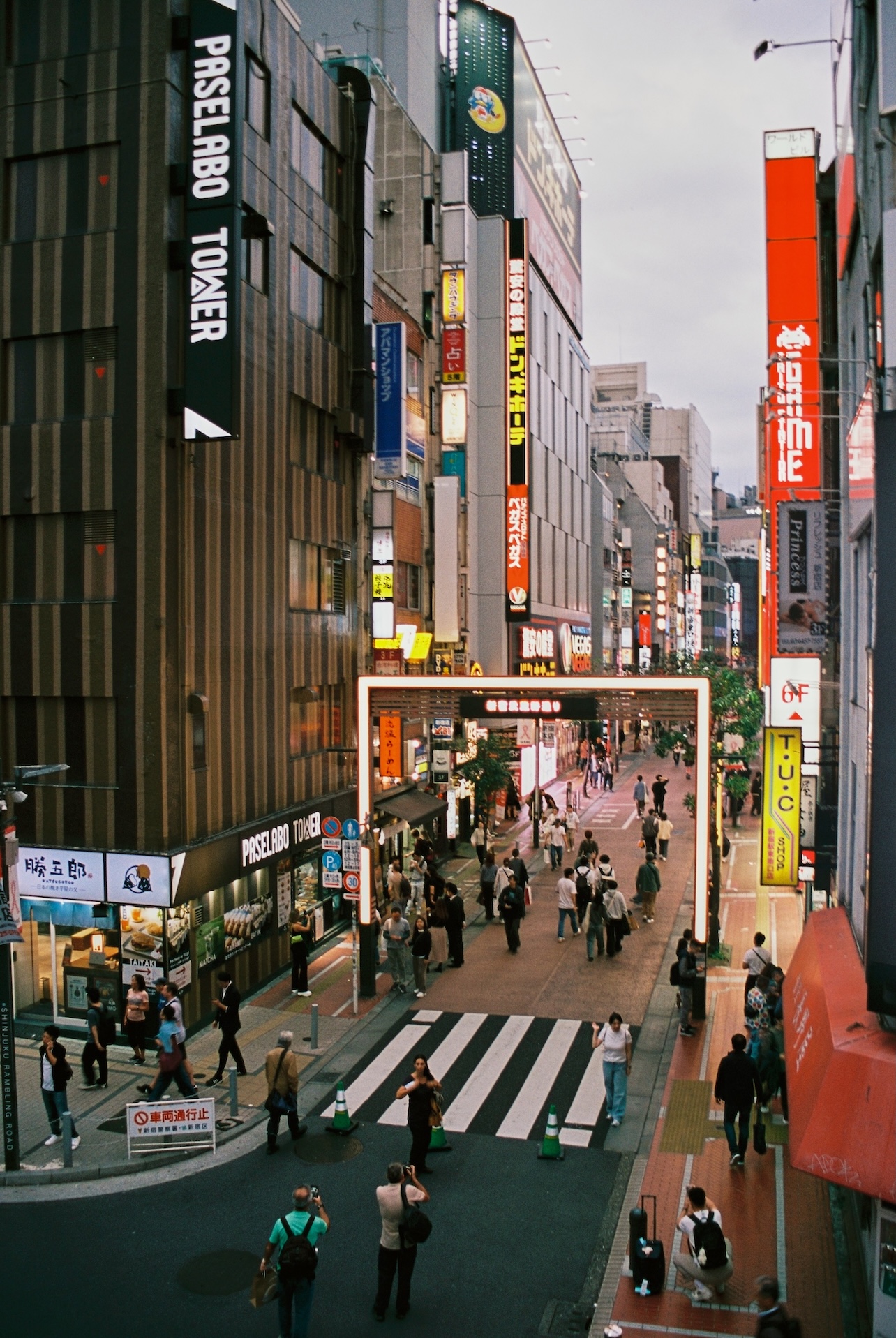
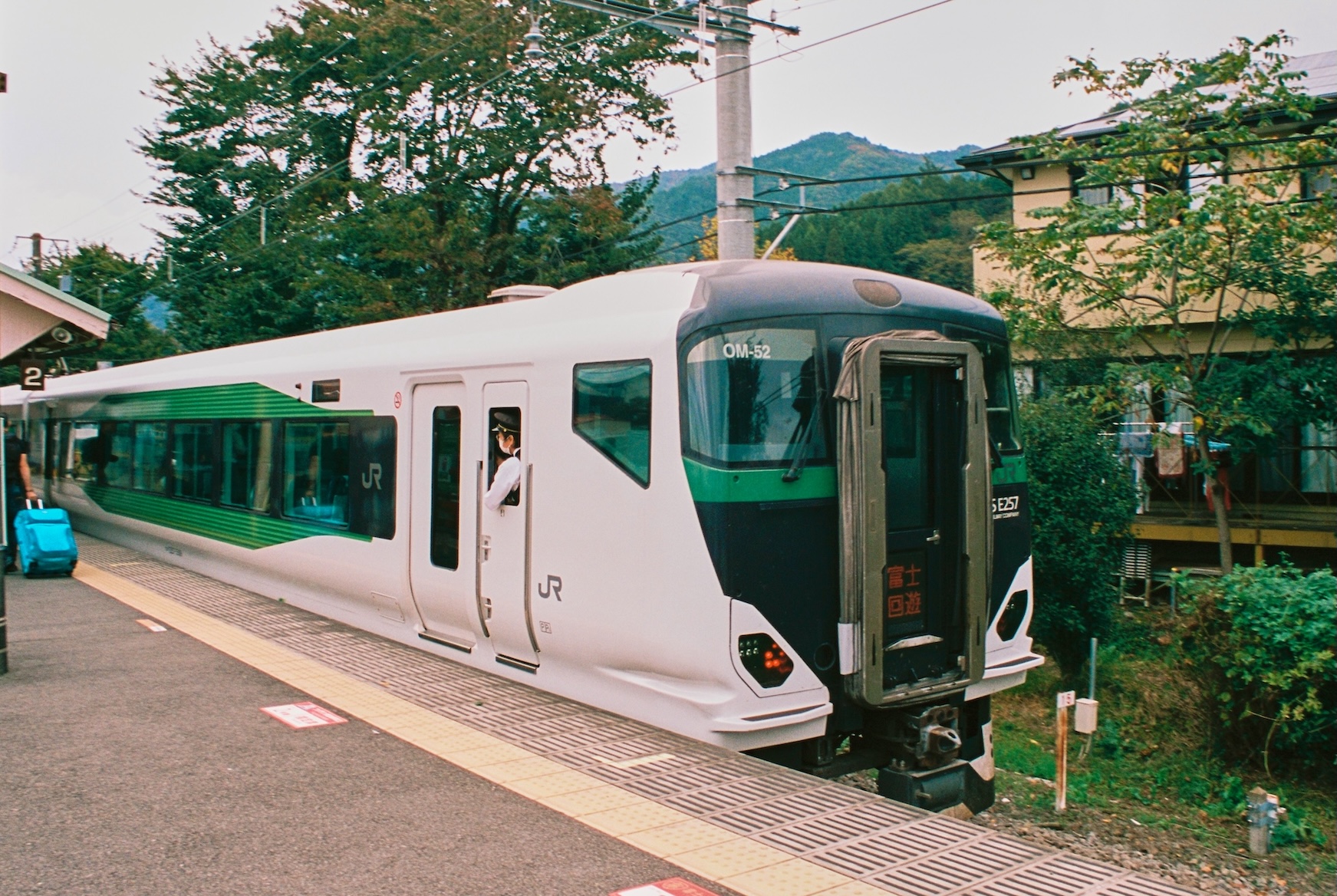
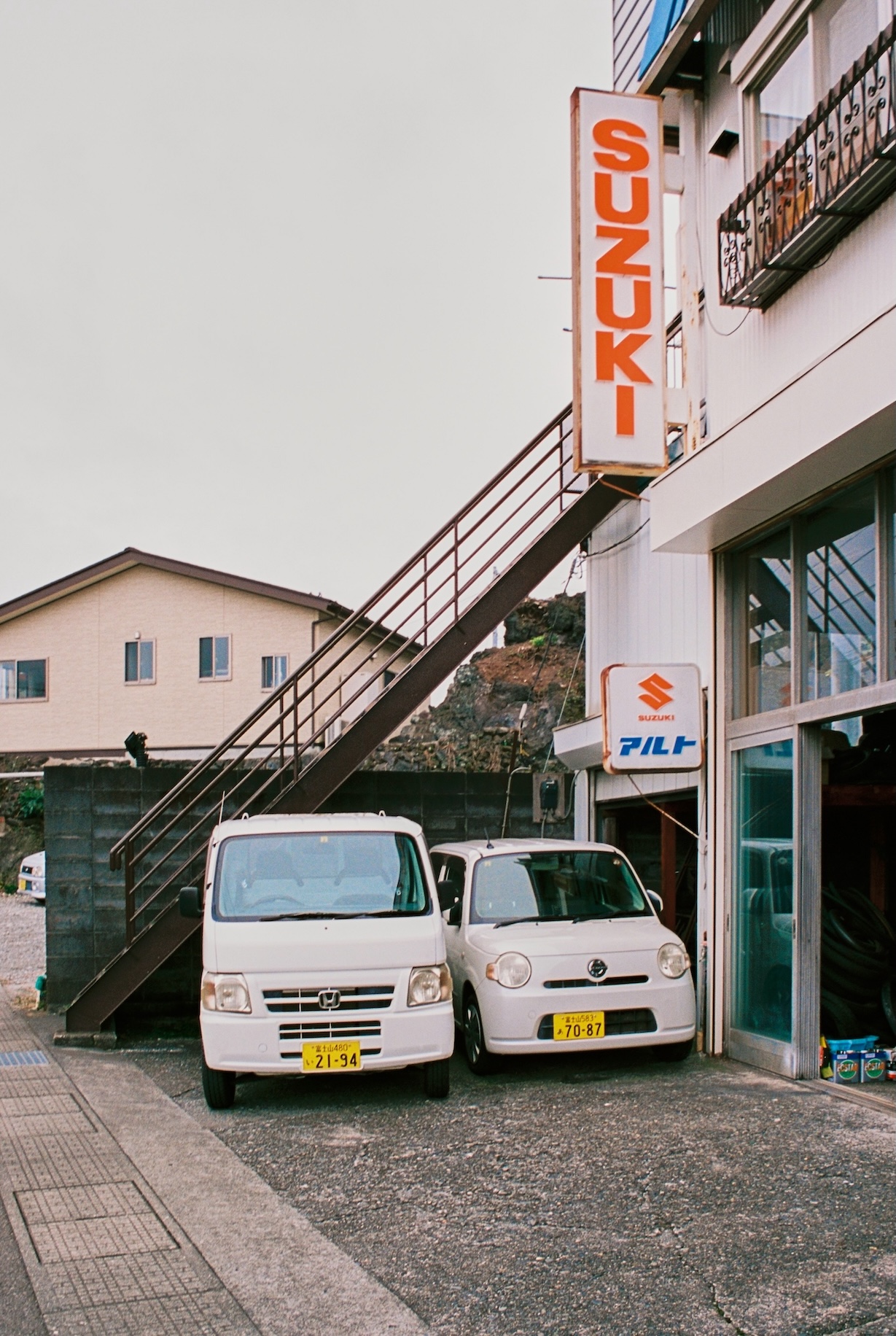
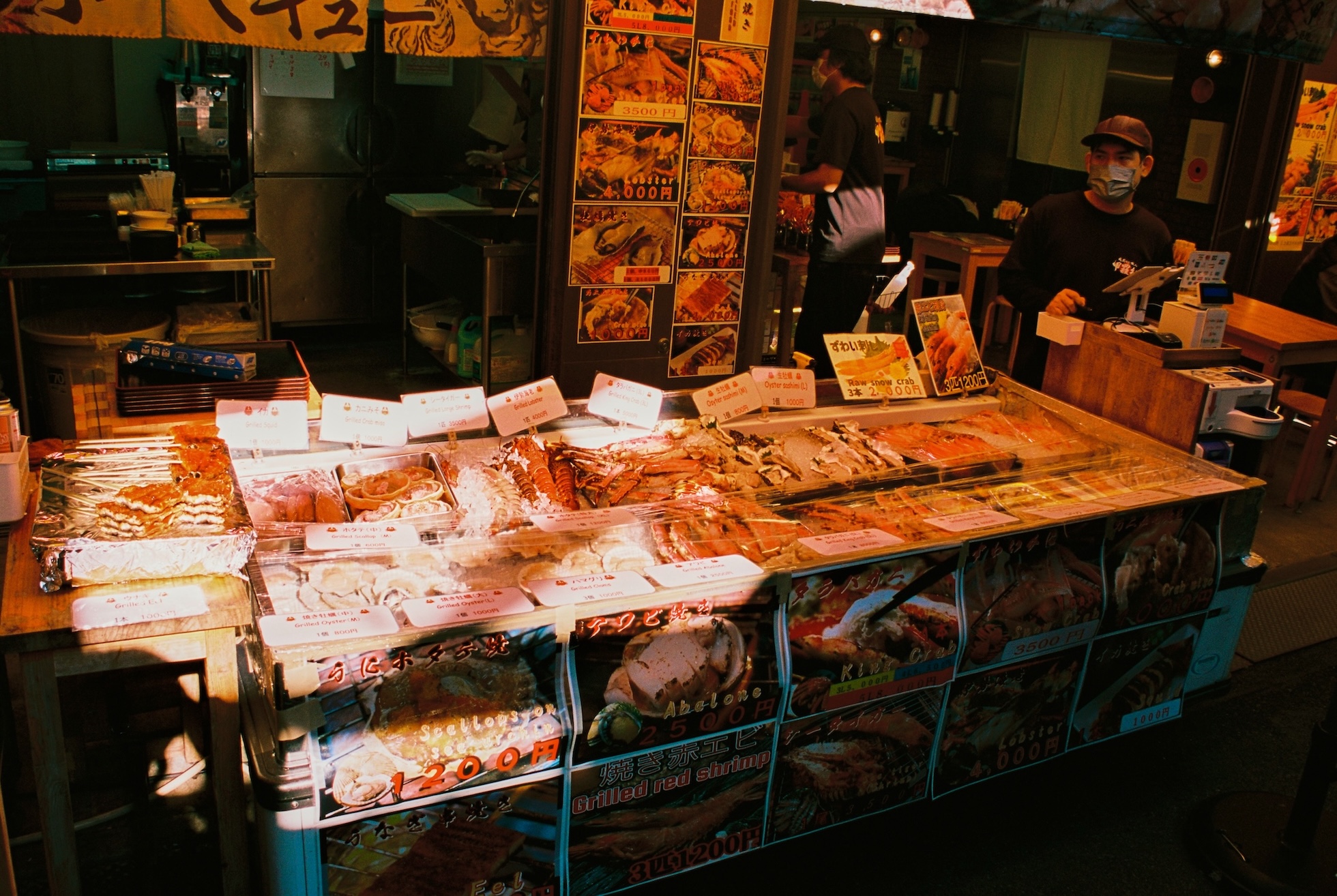
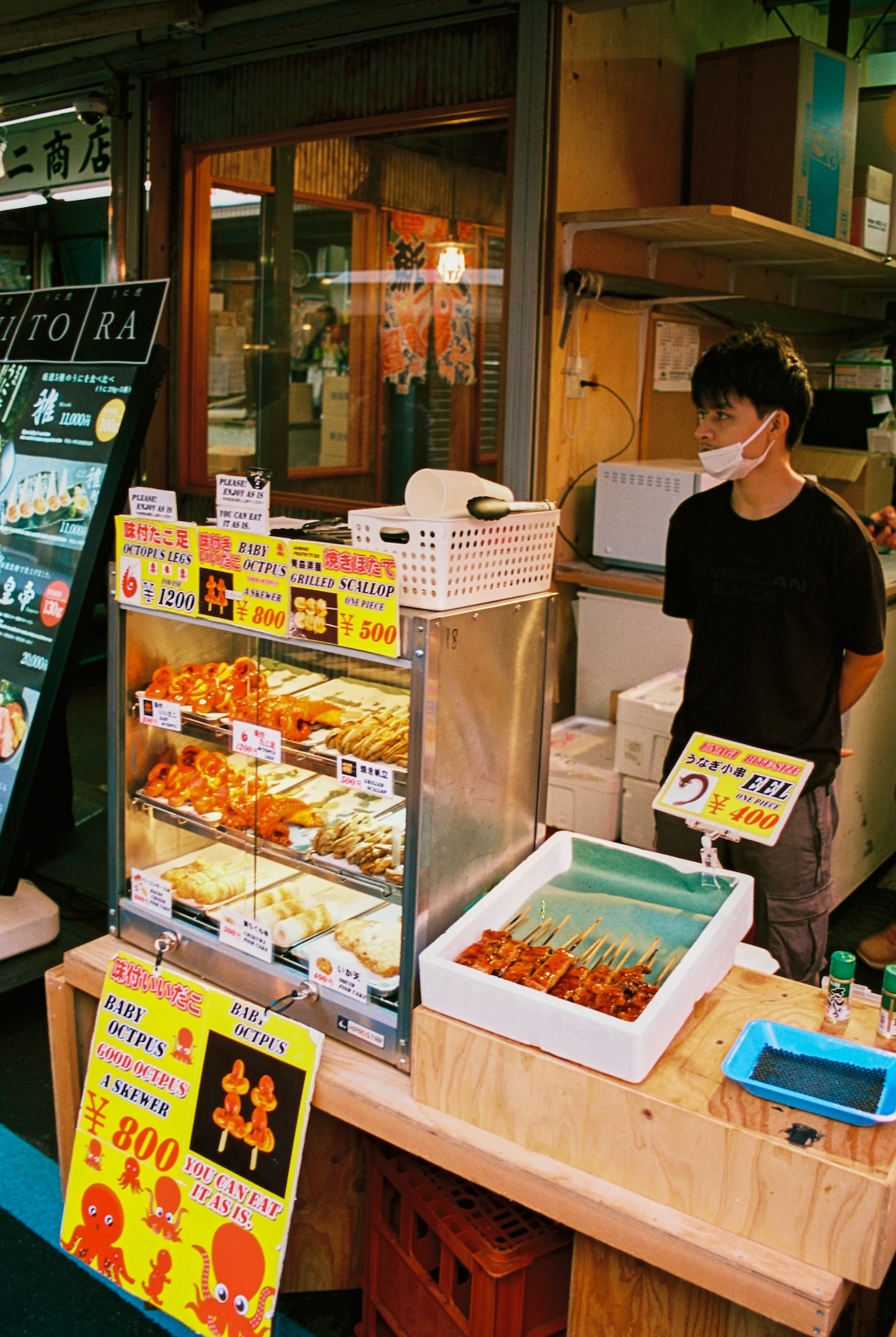

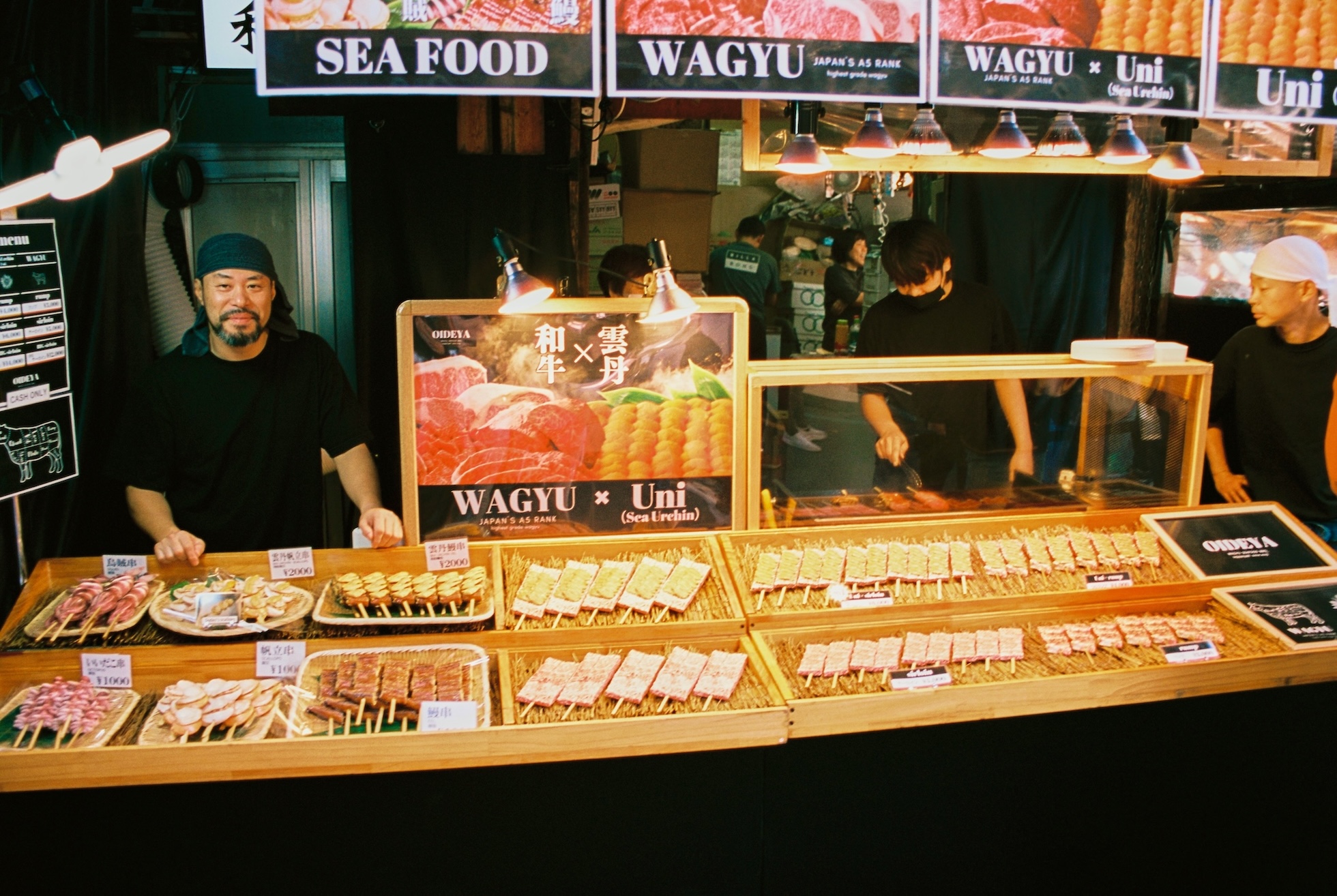
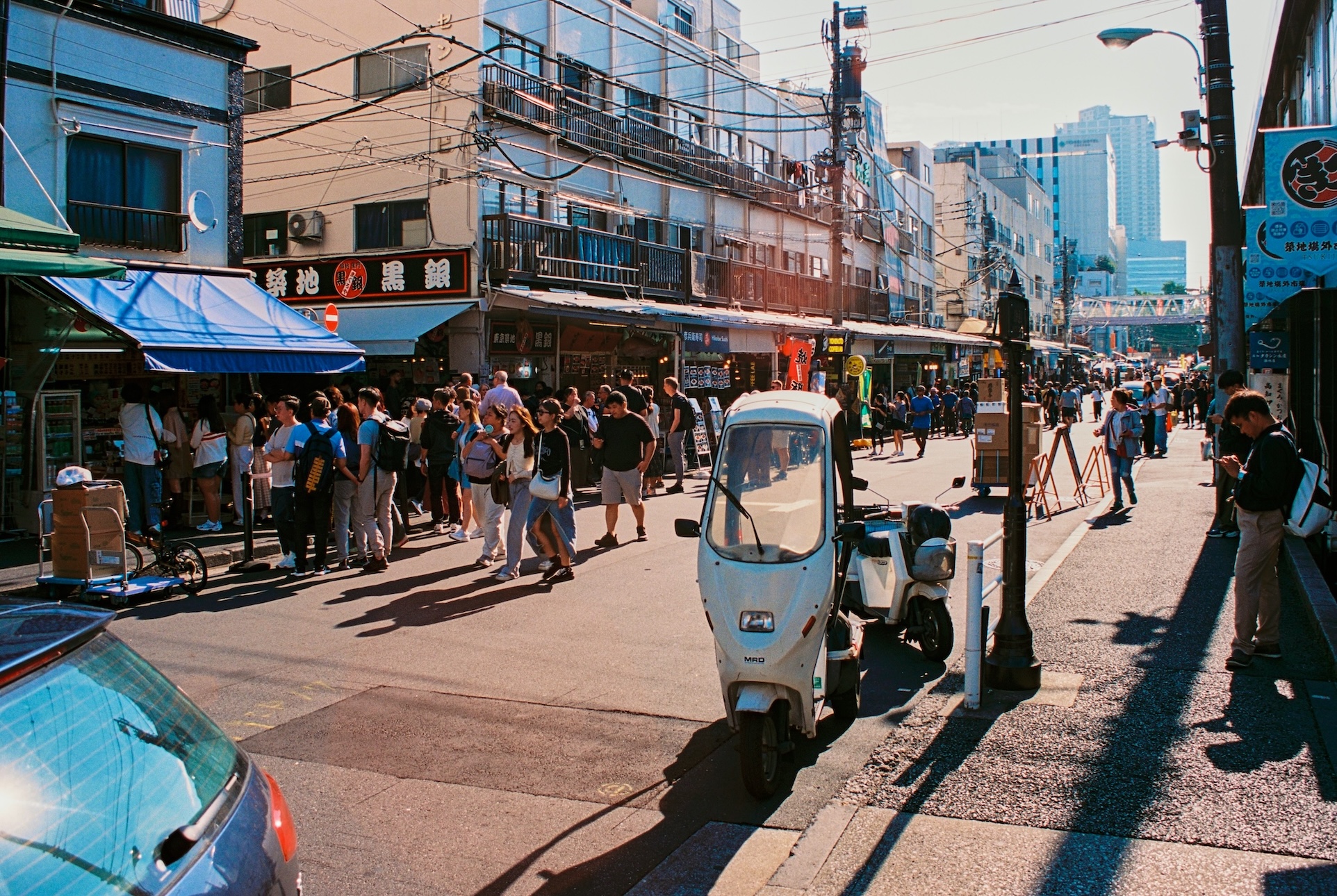
Walking with 2 cameras at the same time was not the best experience. Did it several times during the trip. But probably won’t anymore and will choose one for a day. Otherwise, too many thoughts about pictures and focus on pictures which is not what I want to bring.
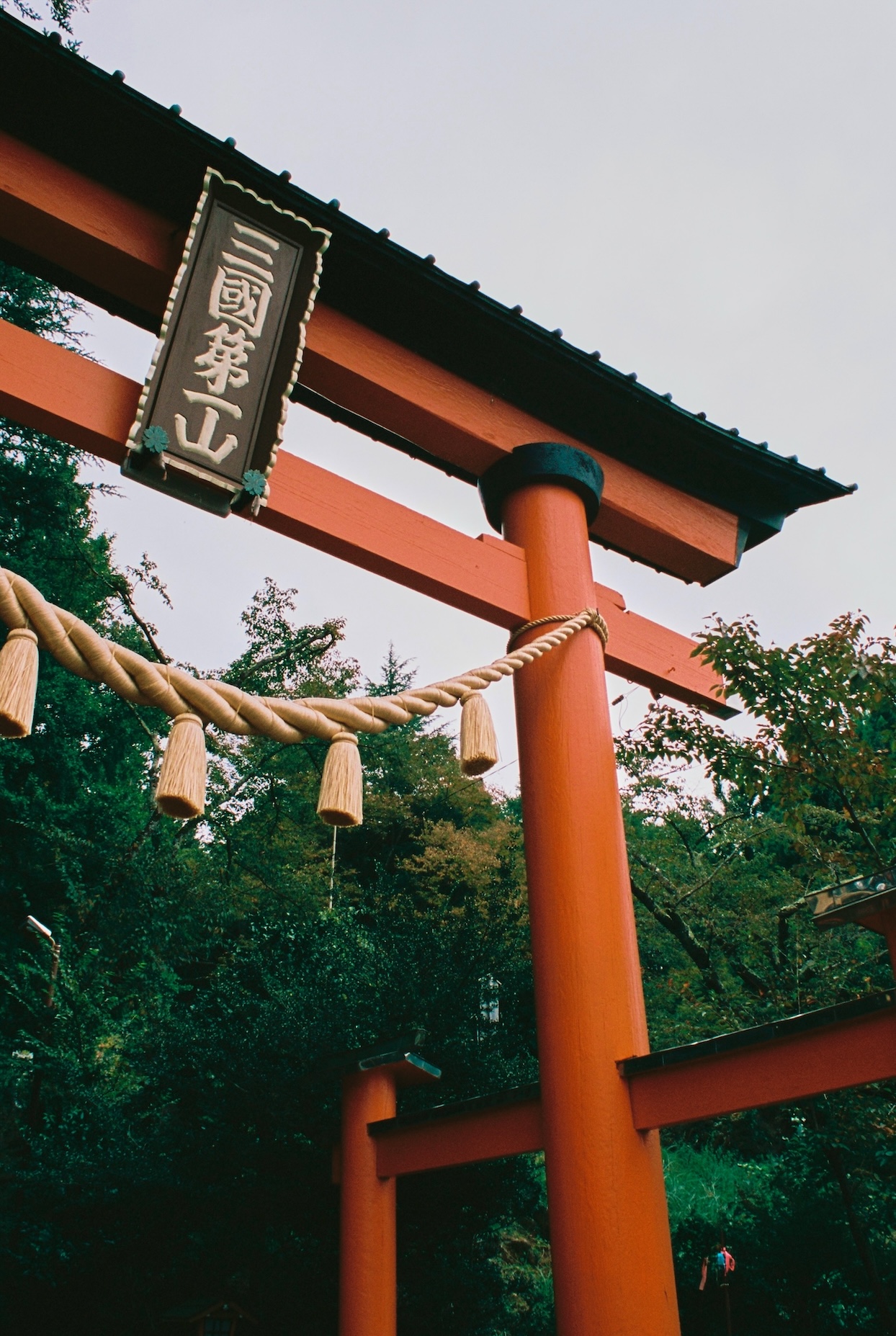

Japan = Tokyo?
Of course not. But it is nothing but possible to find almost anything about Japan in Tokyo. In that manner, Tokyo can be the whole of Japan in one place. In fact, this city is just a central essential part of the country, but not the whole of it. Many other important parts living and breathing outside of this gigapolis.
 Echo
Echo 