Wernigerode
When you’re coming back to a place that you remember from childhood, it often may seem like the place has gotten smaller over the years. Somehow the same happened to me in the small cozy town of Wernigerode even though the last time I was there was 11 years ago. And I wasn’t so many centimeters shorter back then 😀
This town is situated in Sachsen-Anhalt close to a border with Niedersachsen which means there is no way to reach it on direct ICE from Düsseldorf. In fact, we needed to change trains 3 times to arrive in the town. For a walk through flashbacks from 11 years ago.
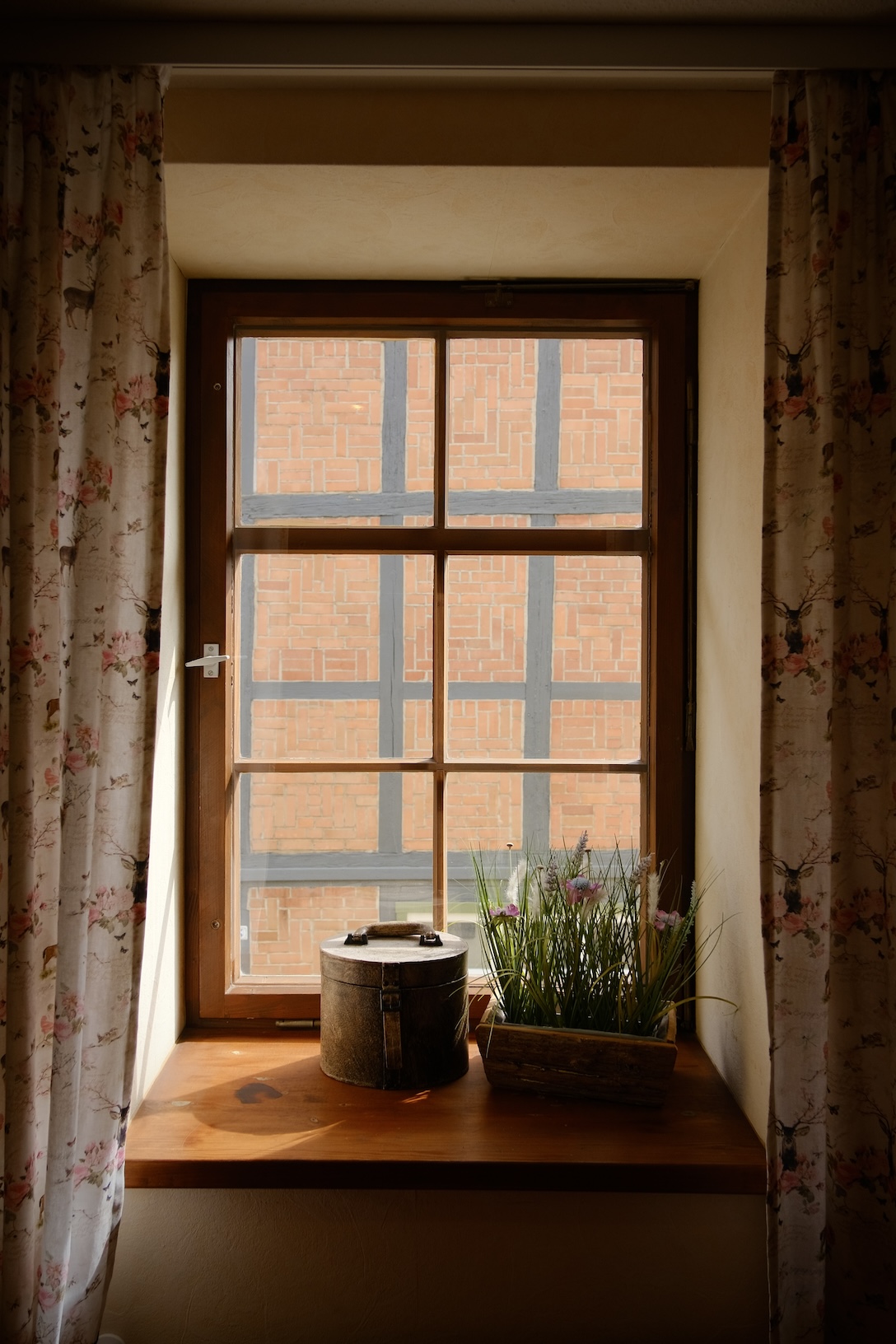
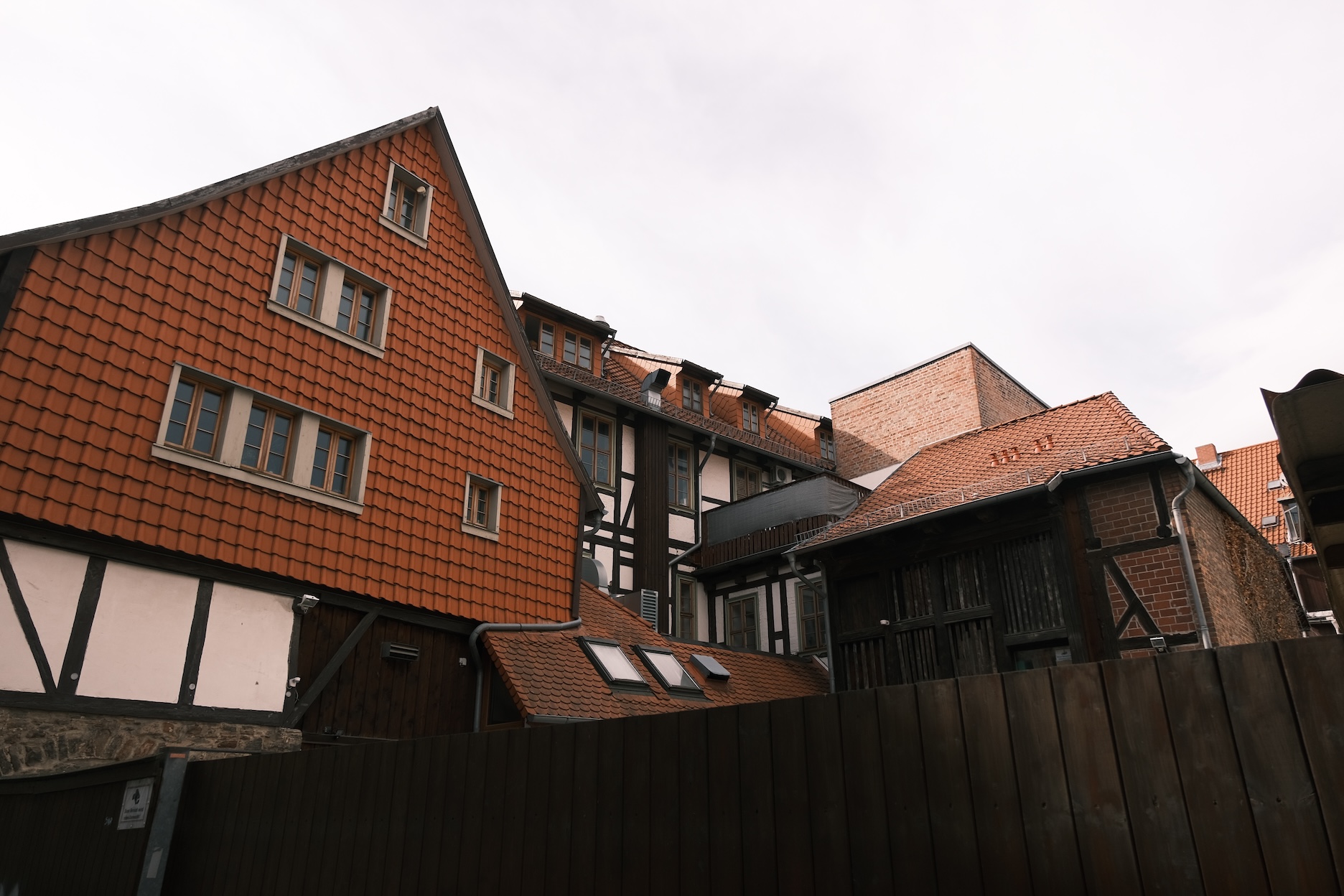
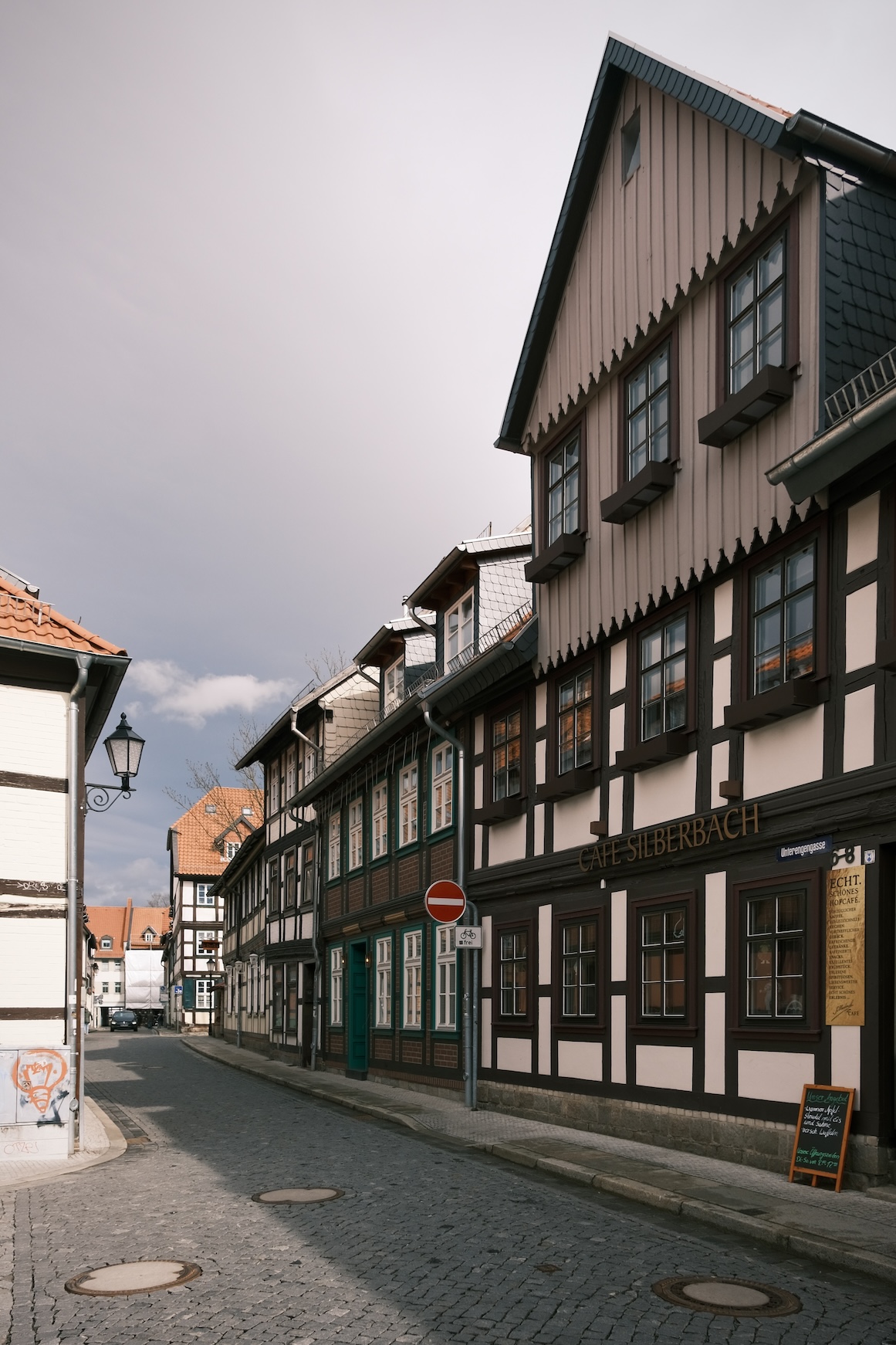
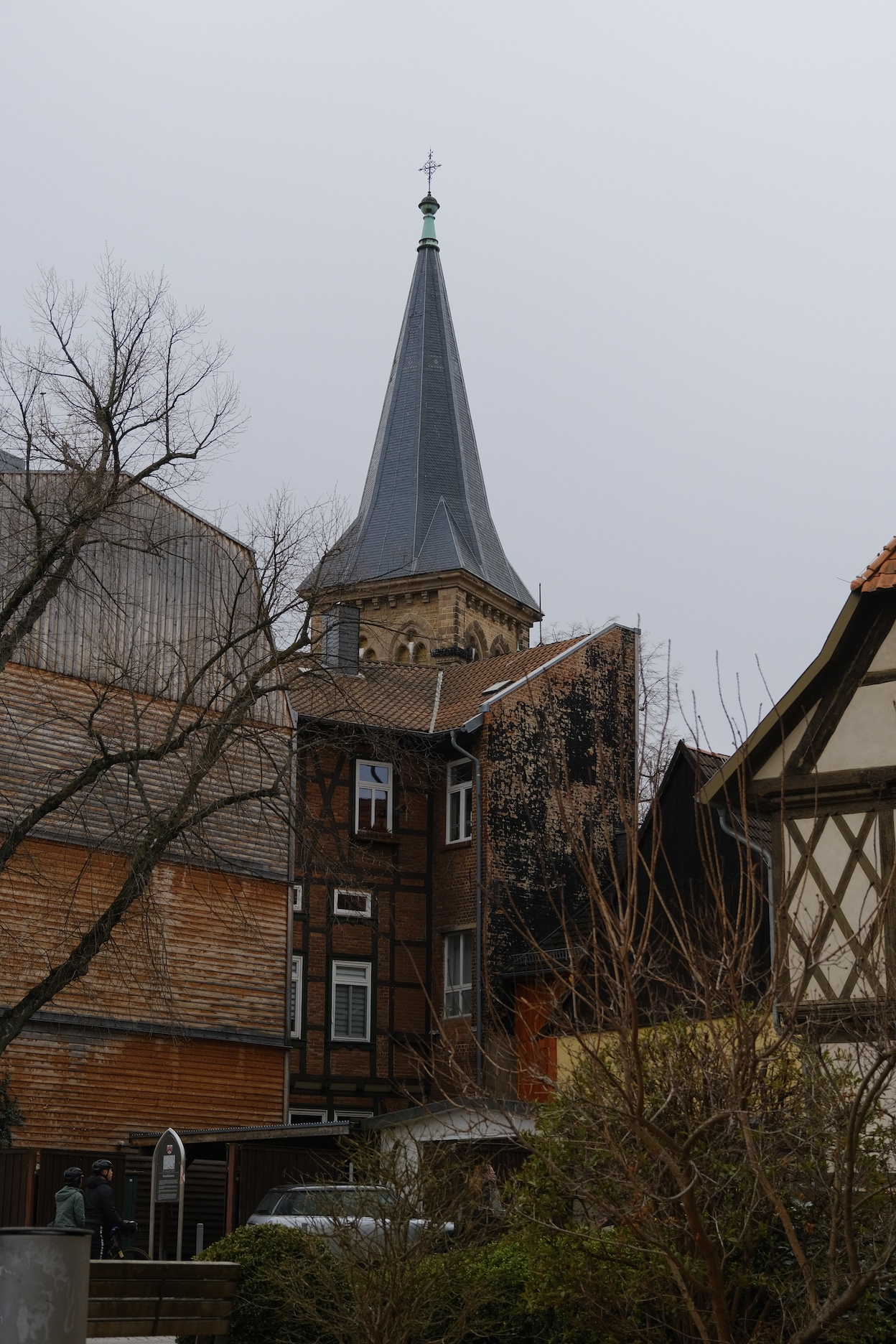
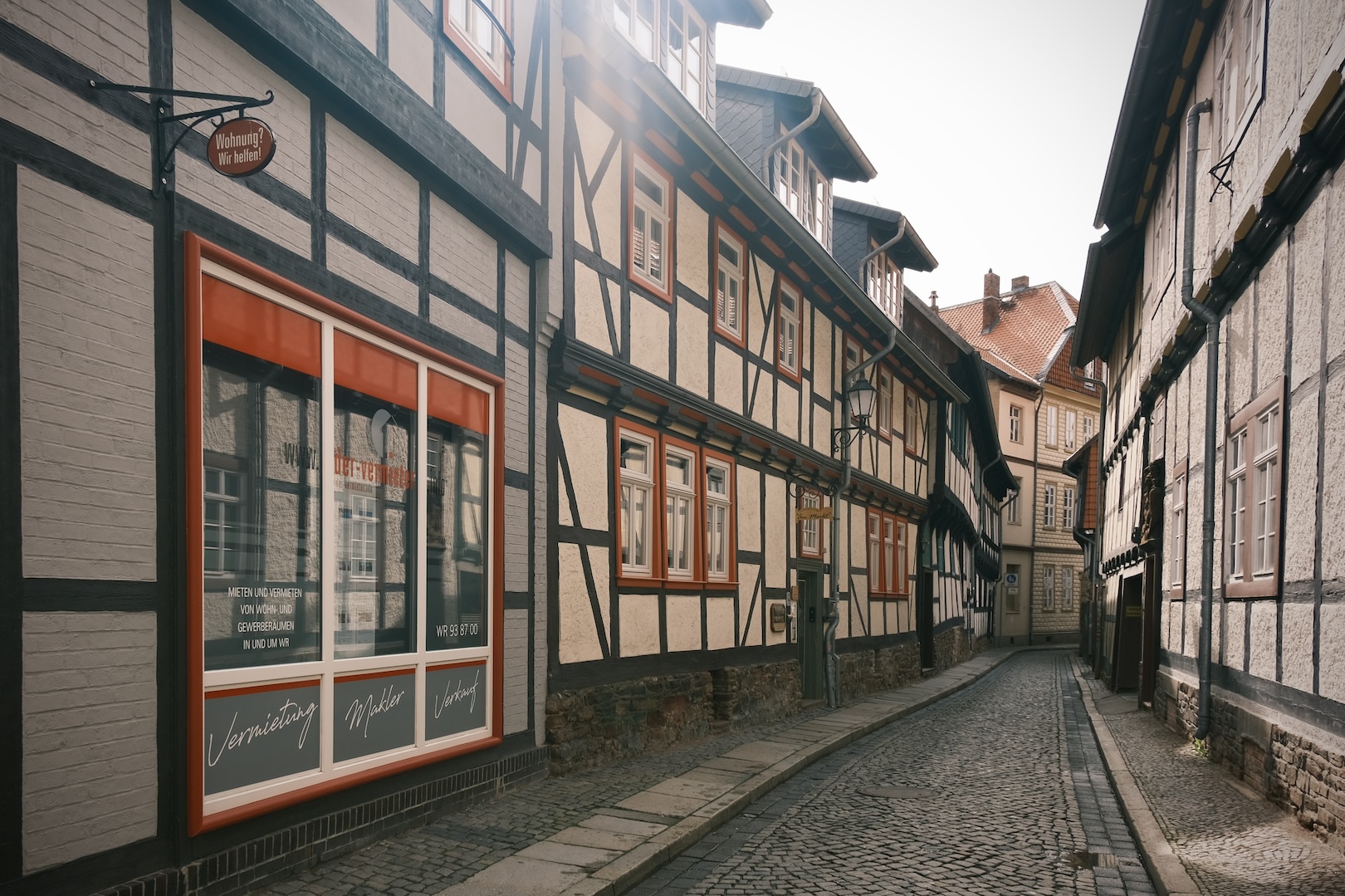
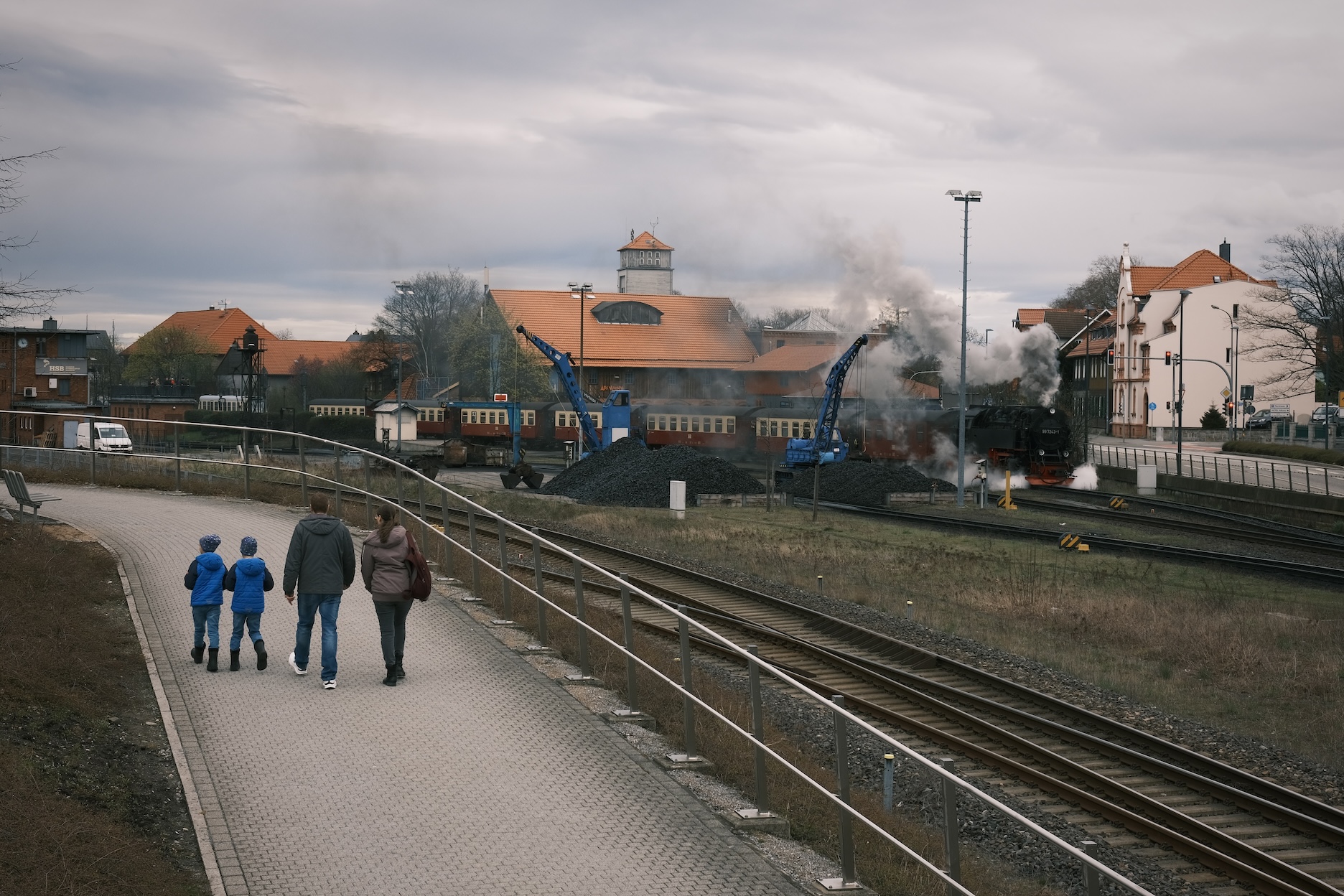
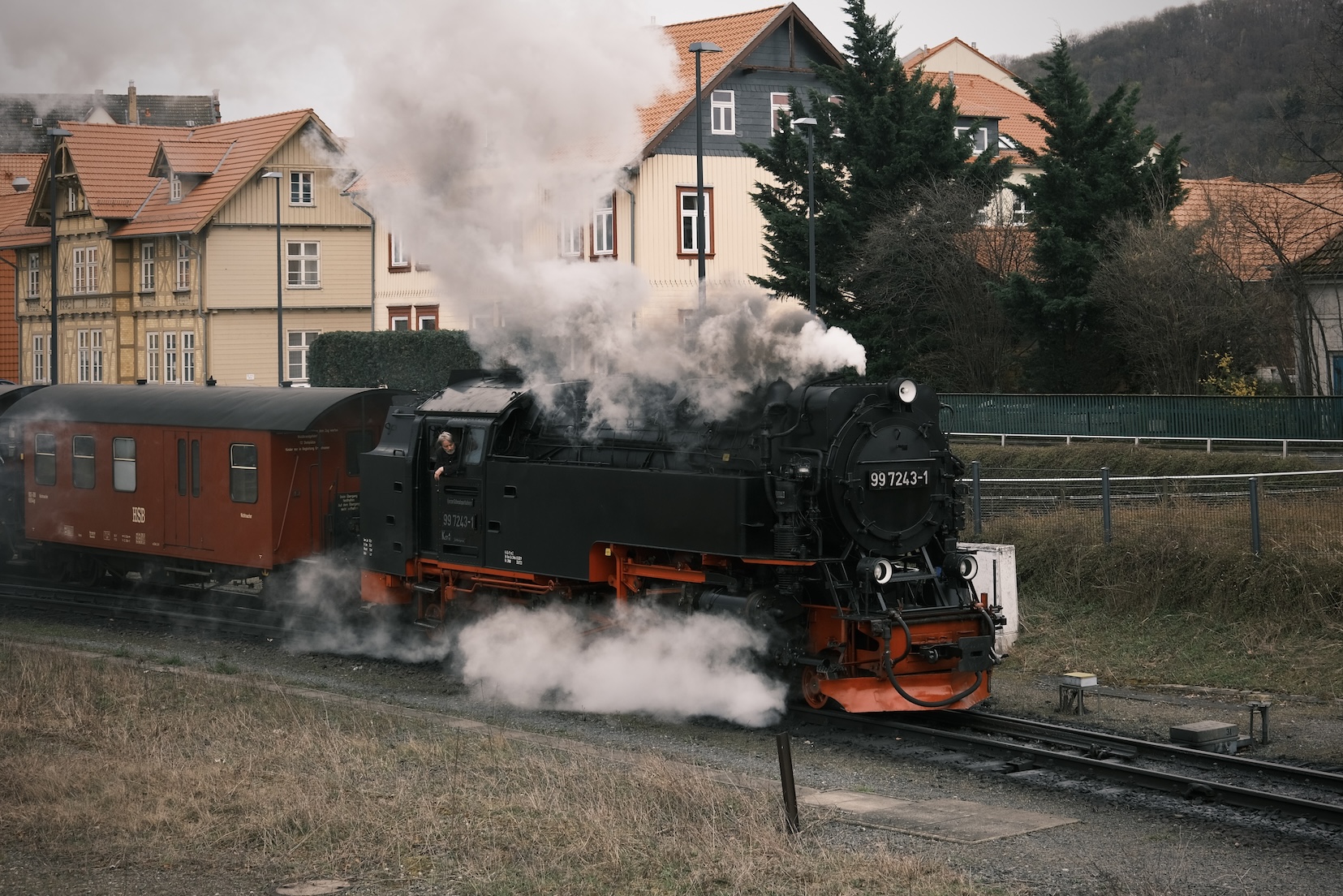
This town immediately strikes by its contrast with modern cities many of us got used to live in. Like the time here going with different speed from ours. The fastest thing in sight is a steam train that goes towards the forest on hills.
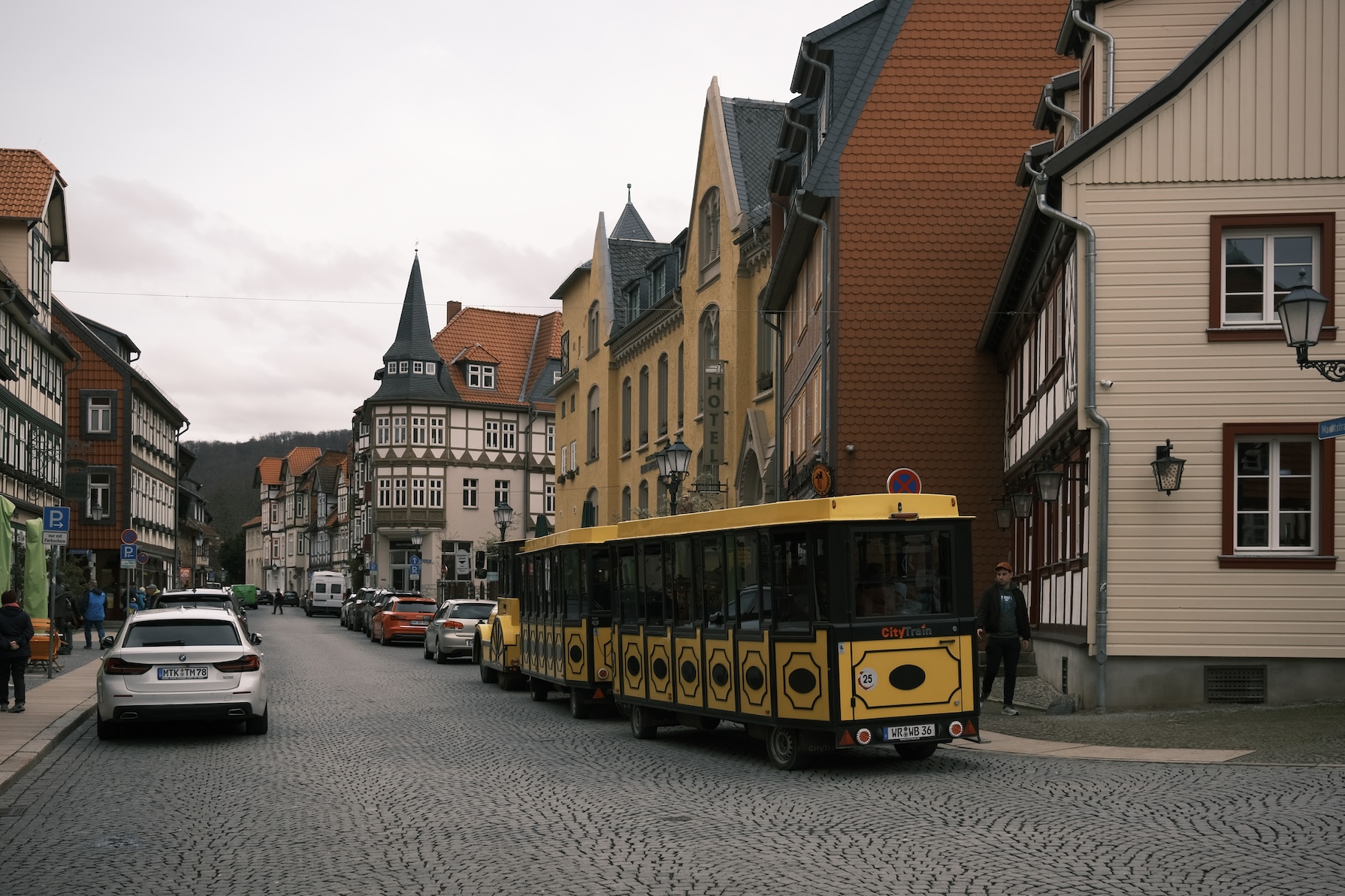
But still, the town shows why is it like this here. Almost every house has a hotel at least in its part. People speak multiple languages in restaurants. Many walking-only streets. Special parking for a touristic train-bus. The whole town is a charming and peaceful resort from medieval fairytales.
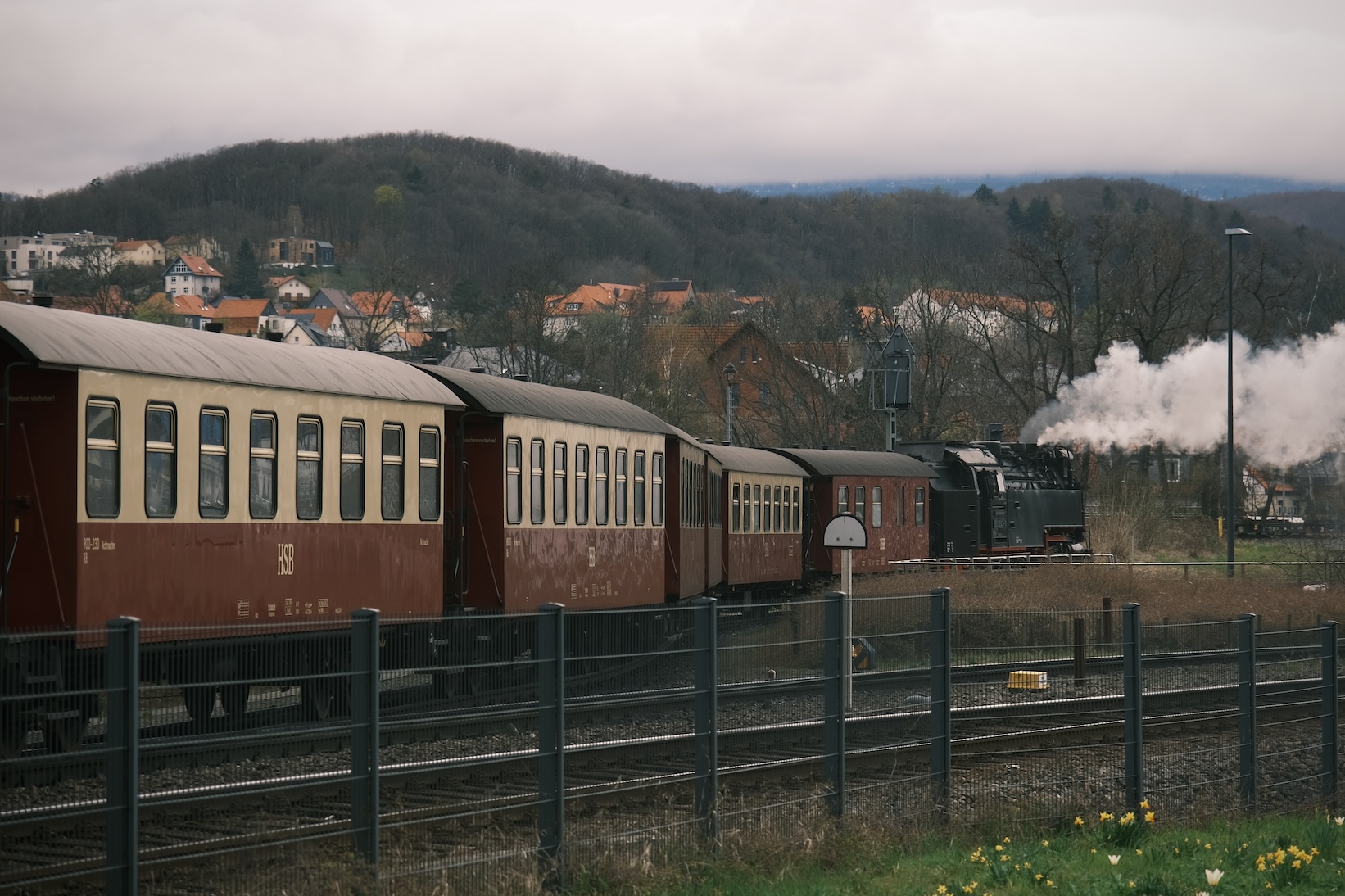
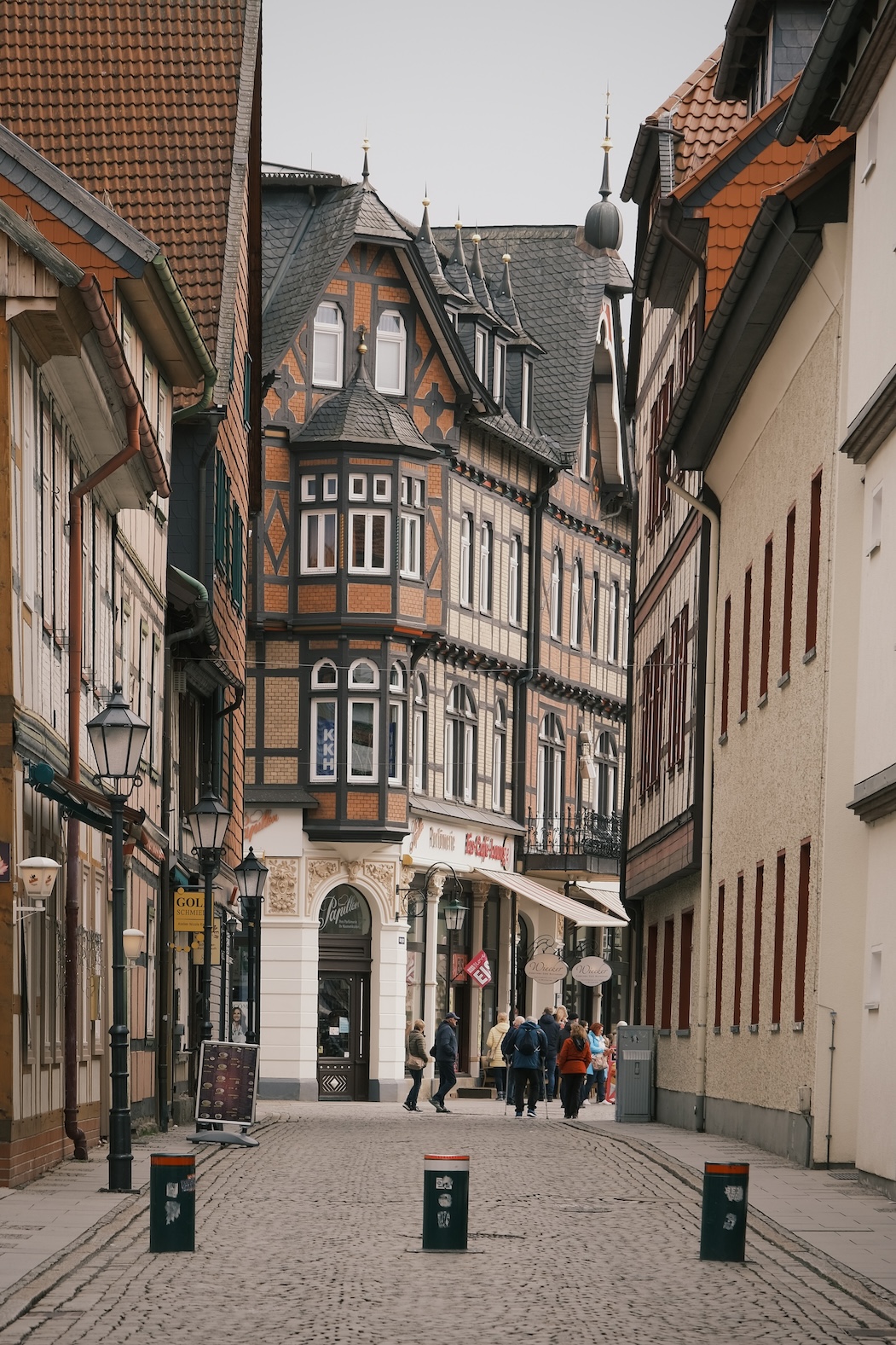
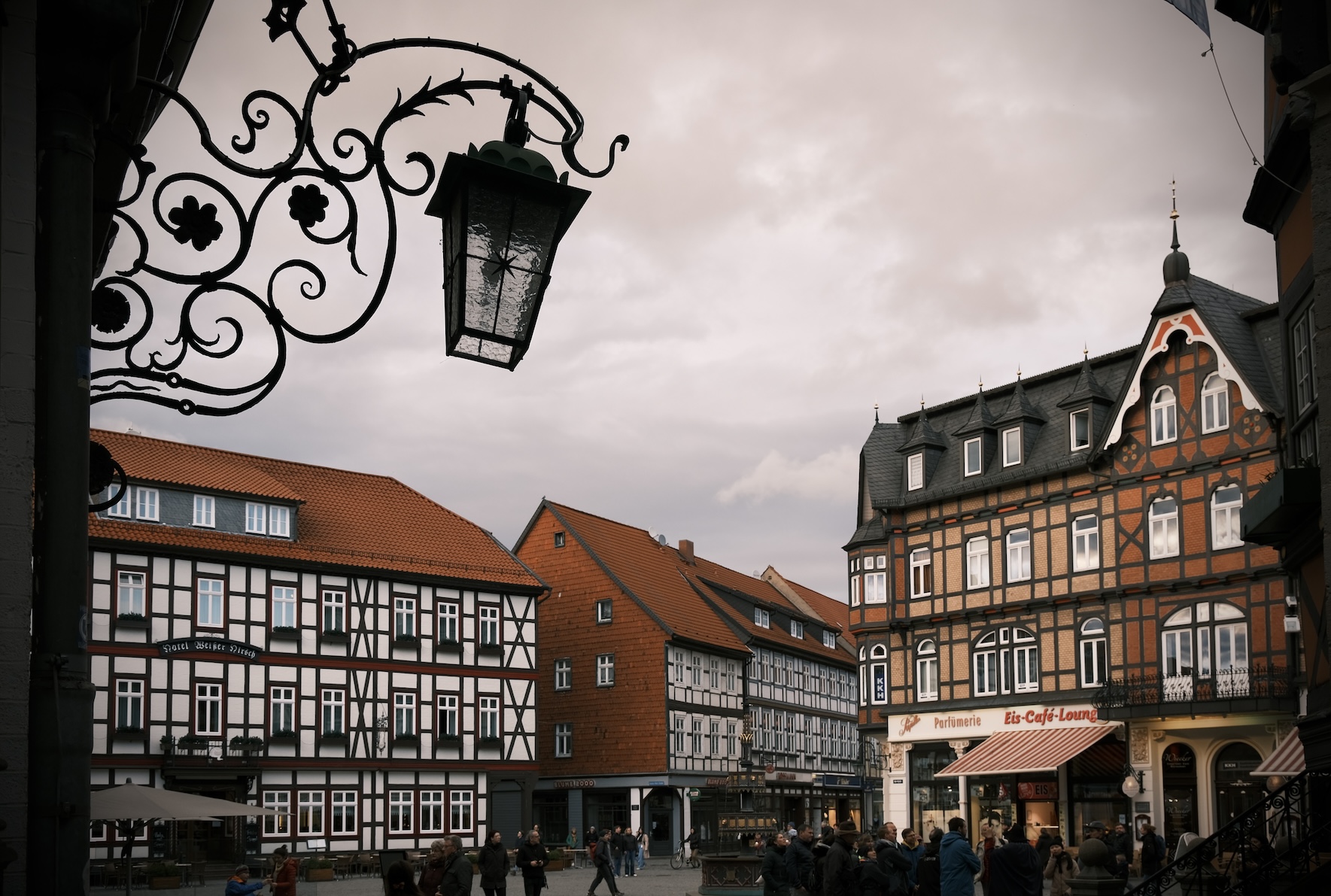
The castle
Like every respected medieval town, Wernigerode has its own castle. And like every respected castle, this one is on a high hill. Interestingly, this particular castle was filmed in an old Soviet movie. And a piece of music from this movie at the graduating ceremony in high school just a year after visiting this castle for the first time.
And now, not being able to visit a city where I played music from this movie, but being here in the place where the movie with this music was filmed really makes me feel like something turned upside-down during these 11 years.
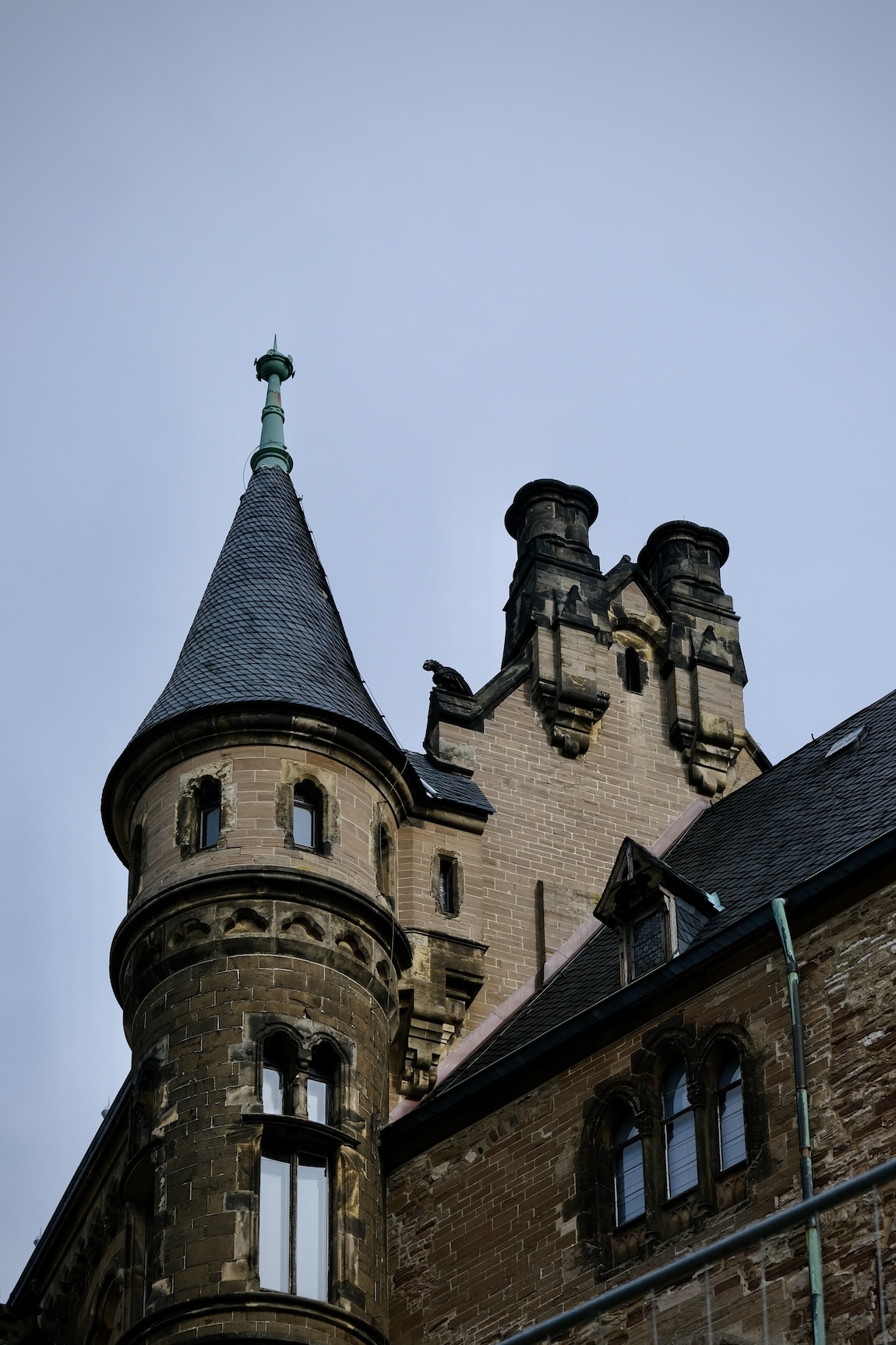
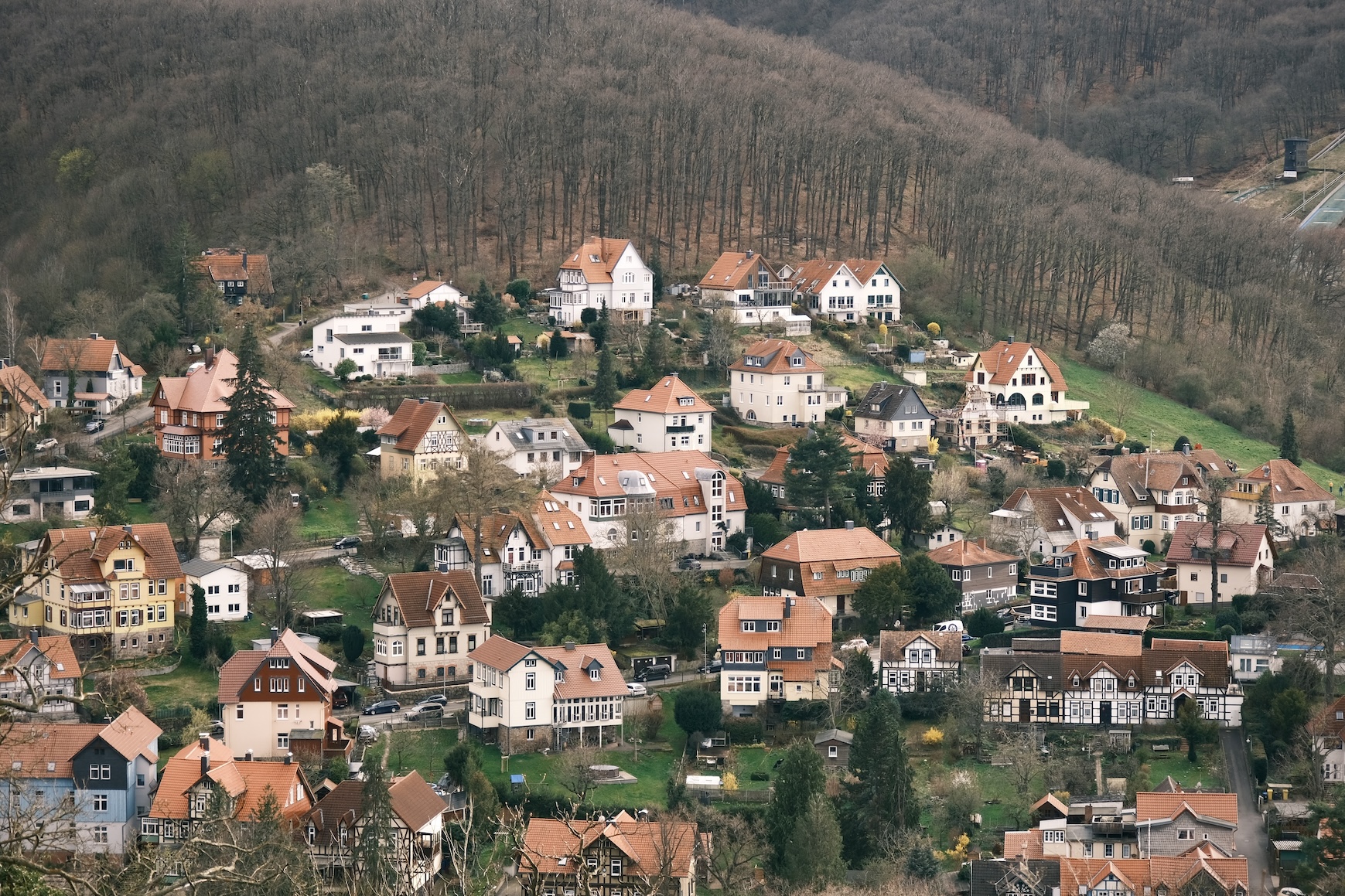
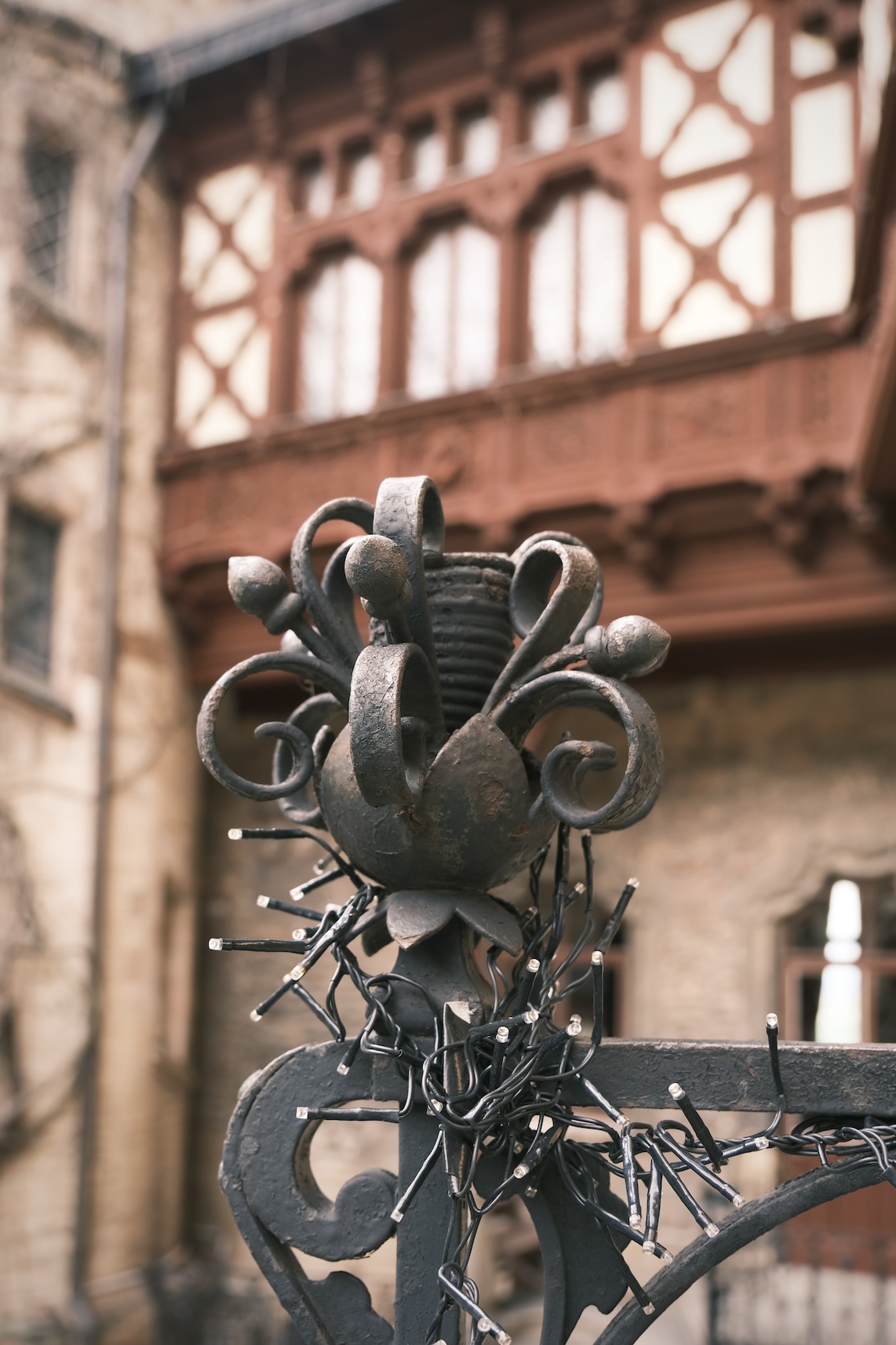
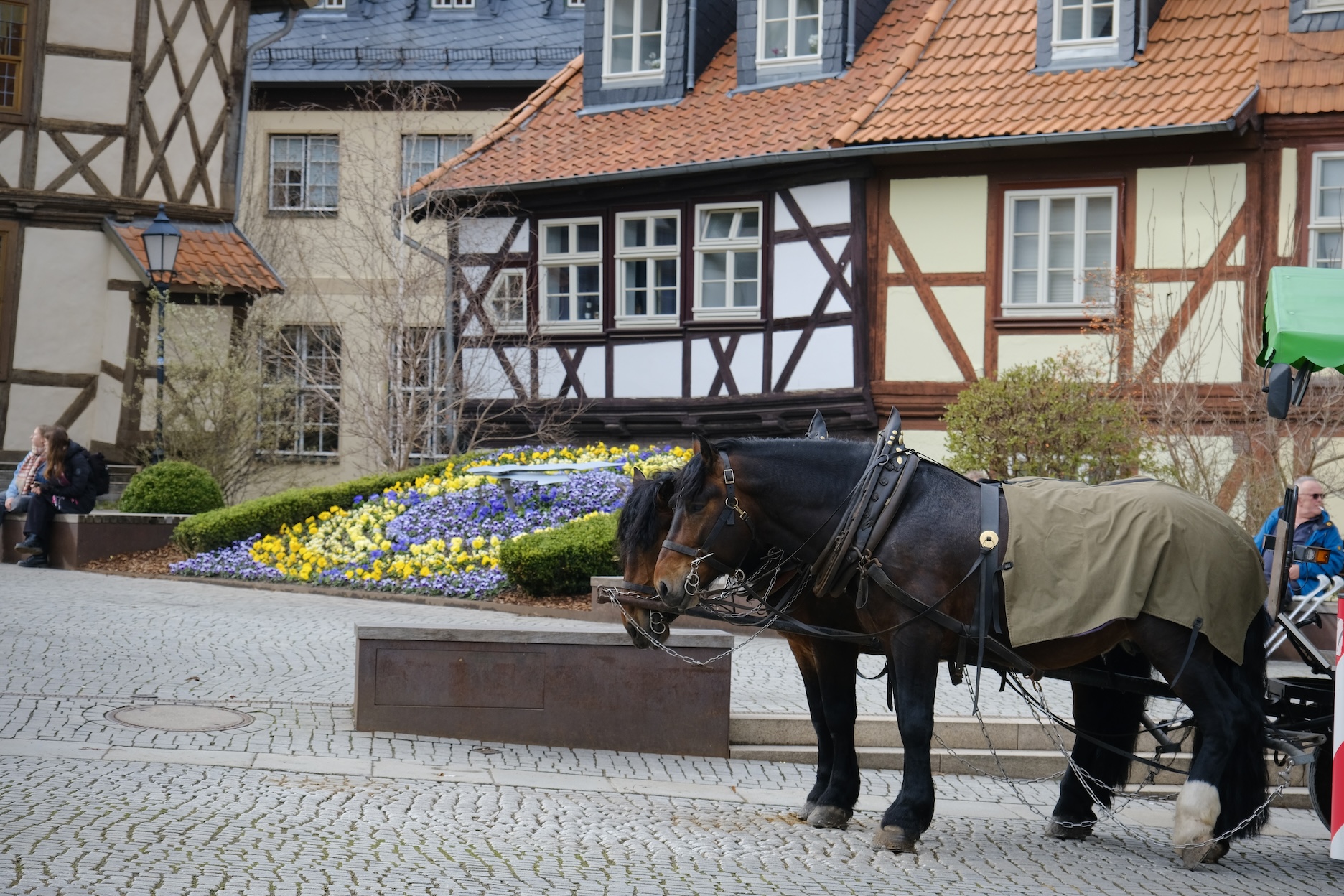
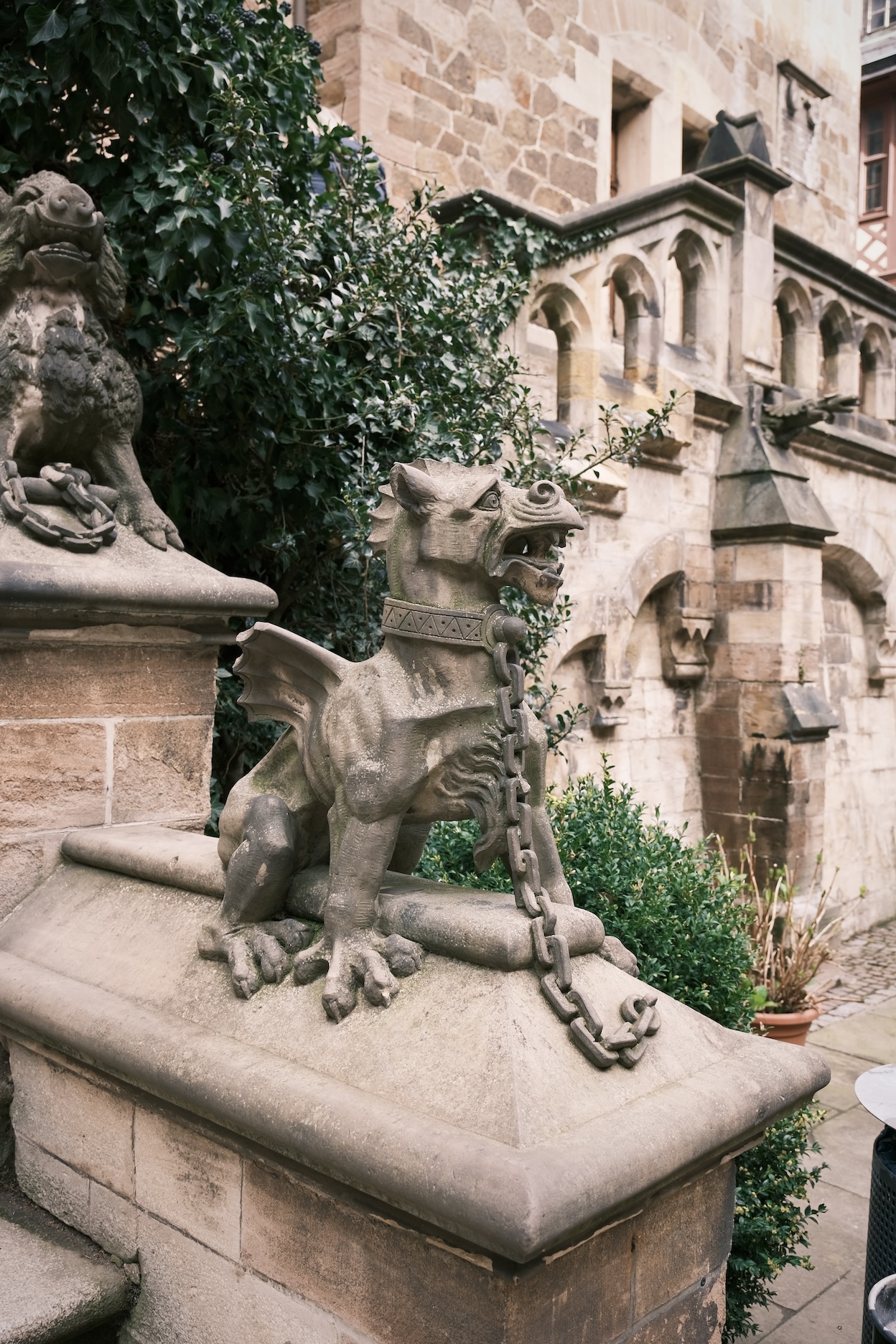
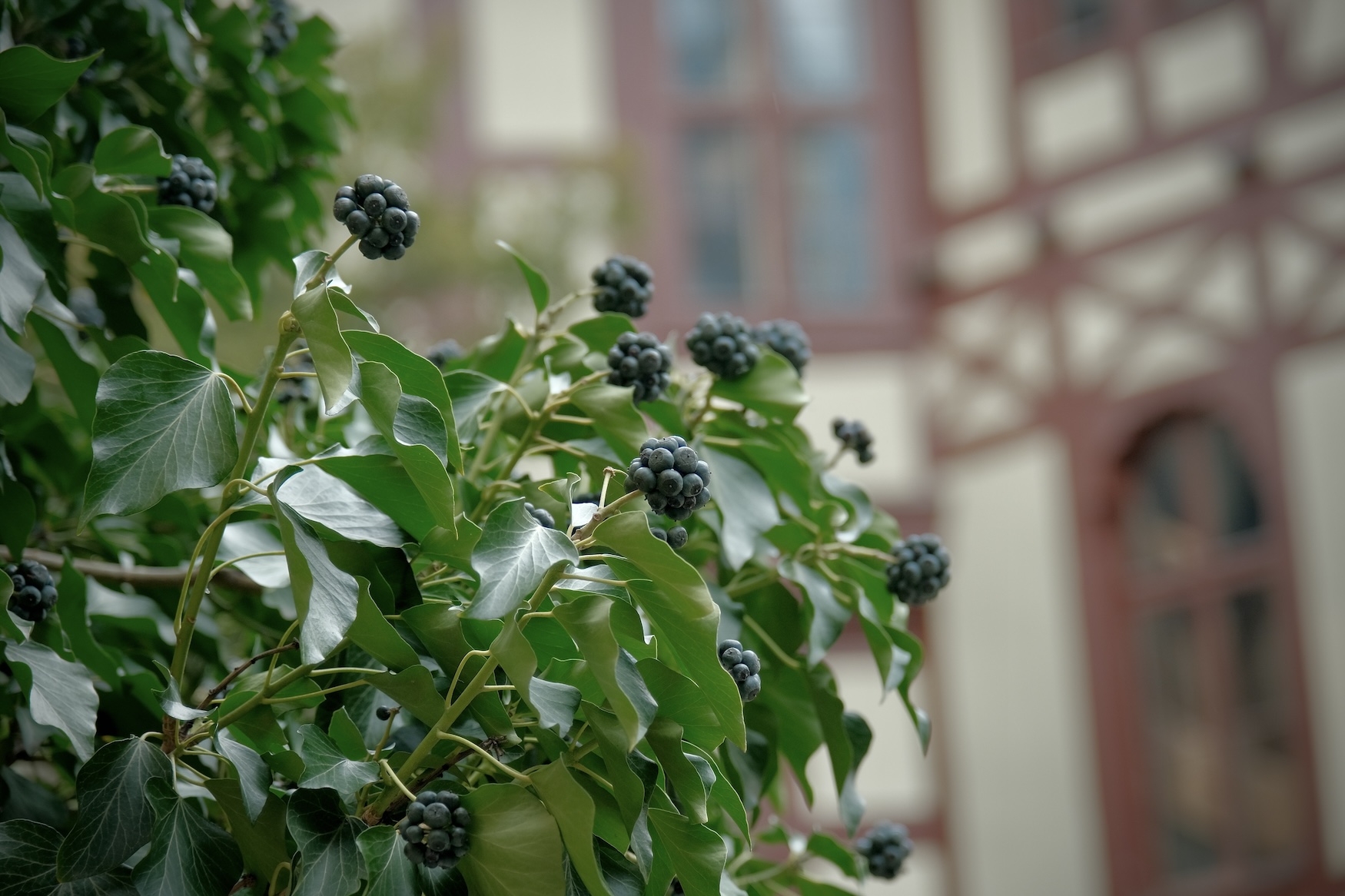
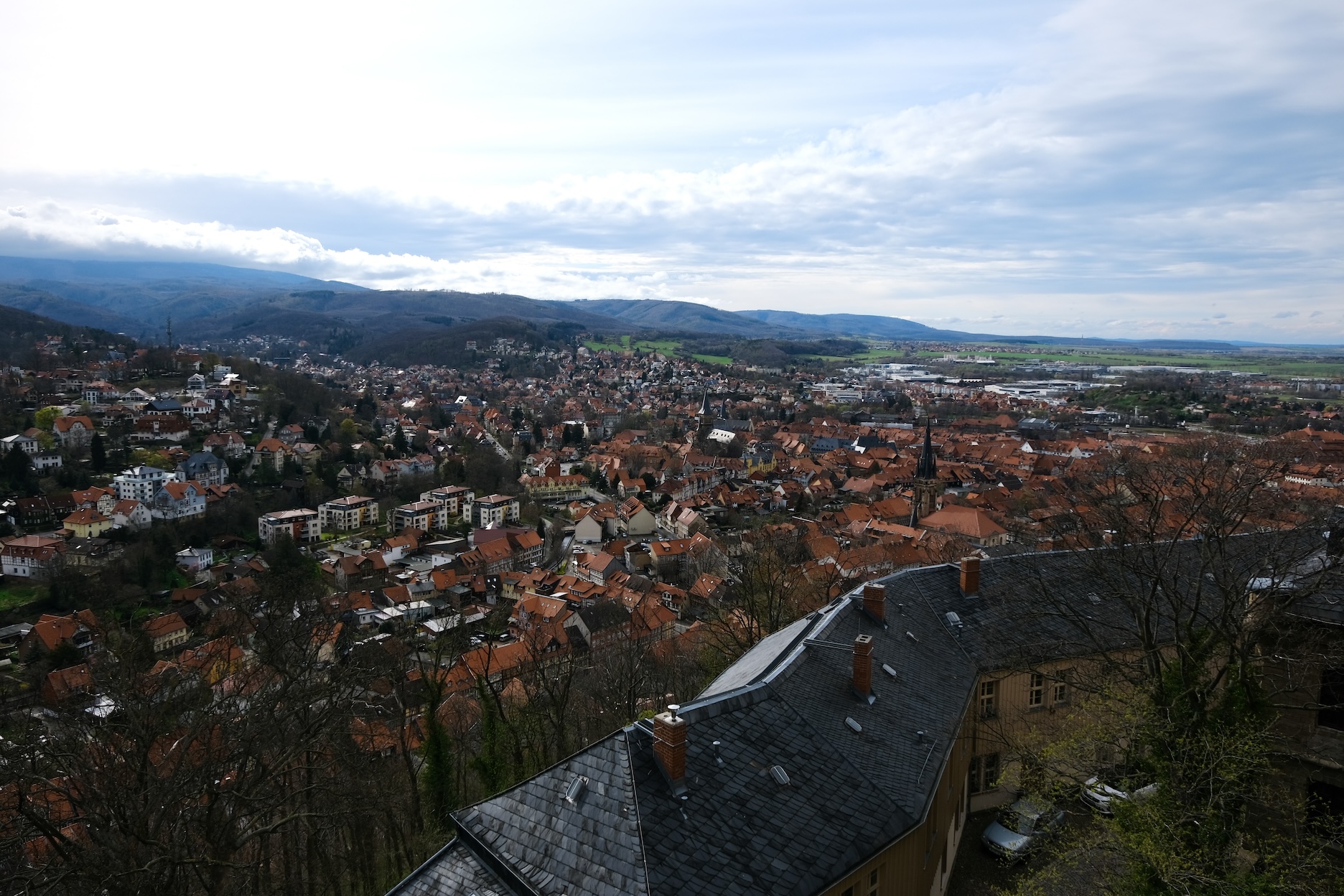
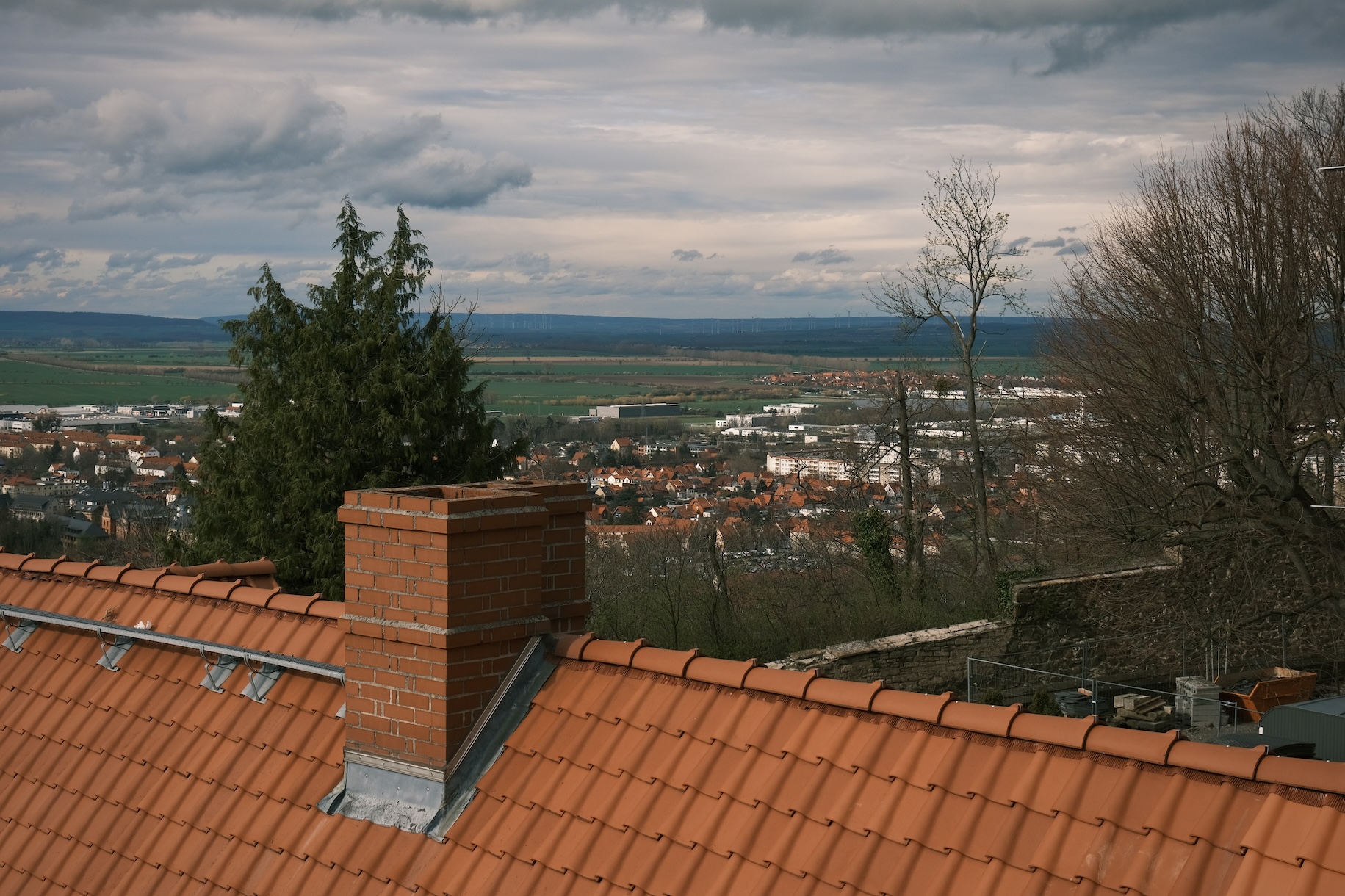
From the castle’s territory opens an amazing view of Wernigerode and probably other small towns around, but perhaps it is just more distant neighborhoods of the town.
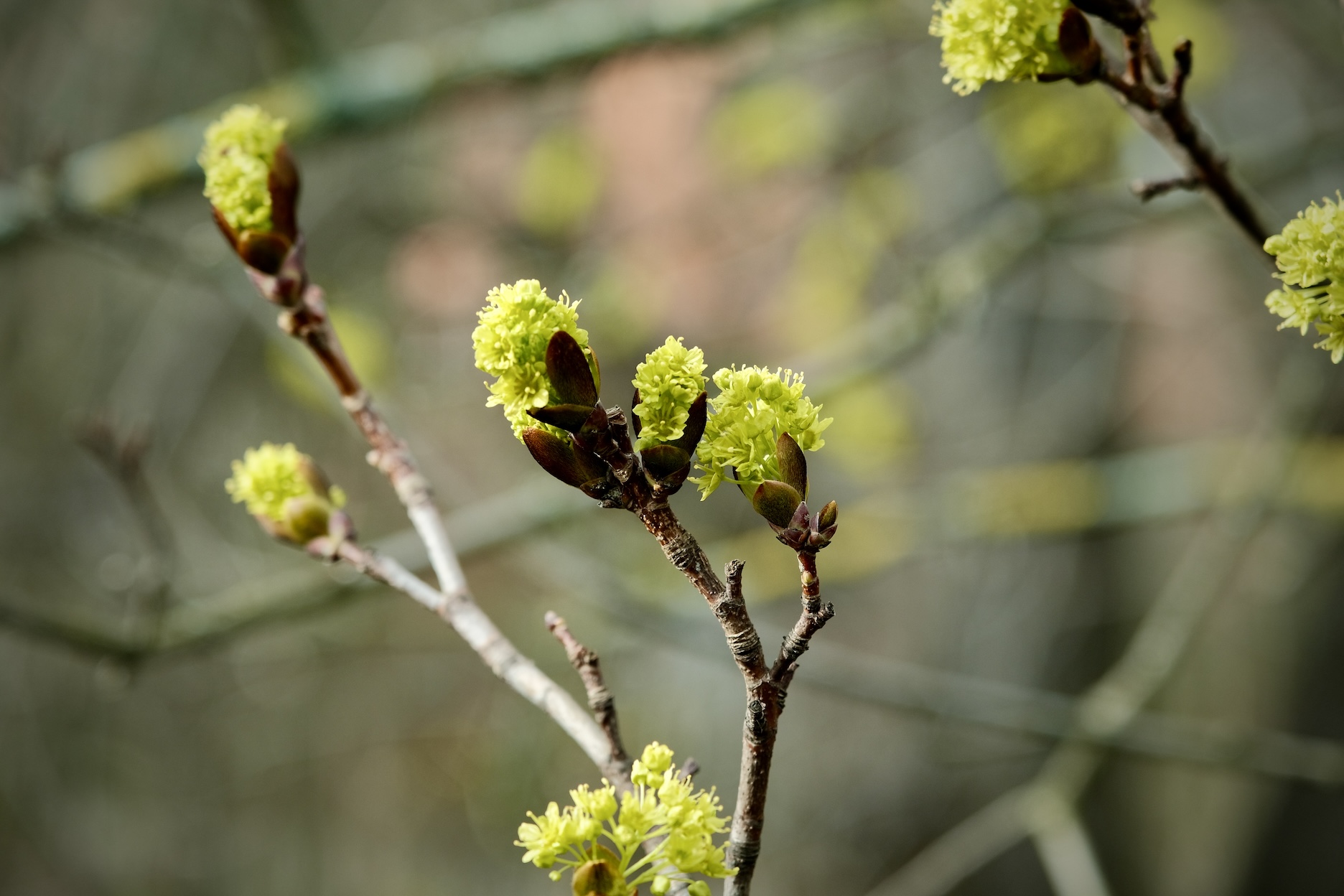
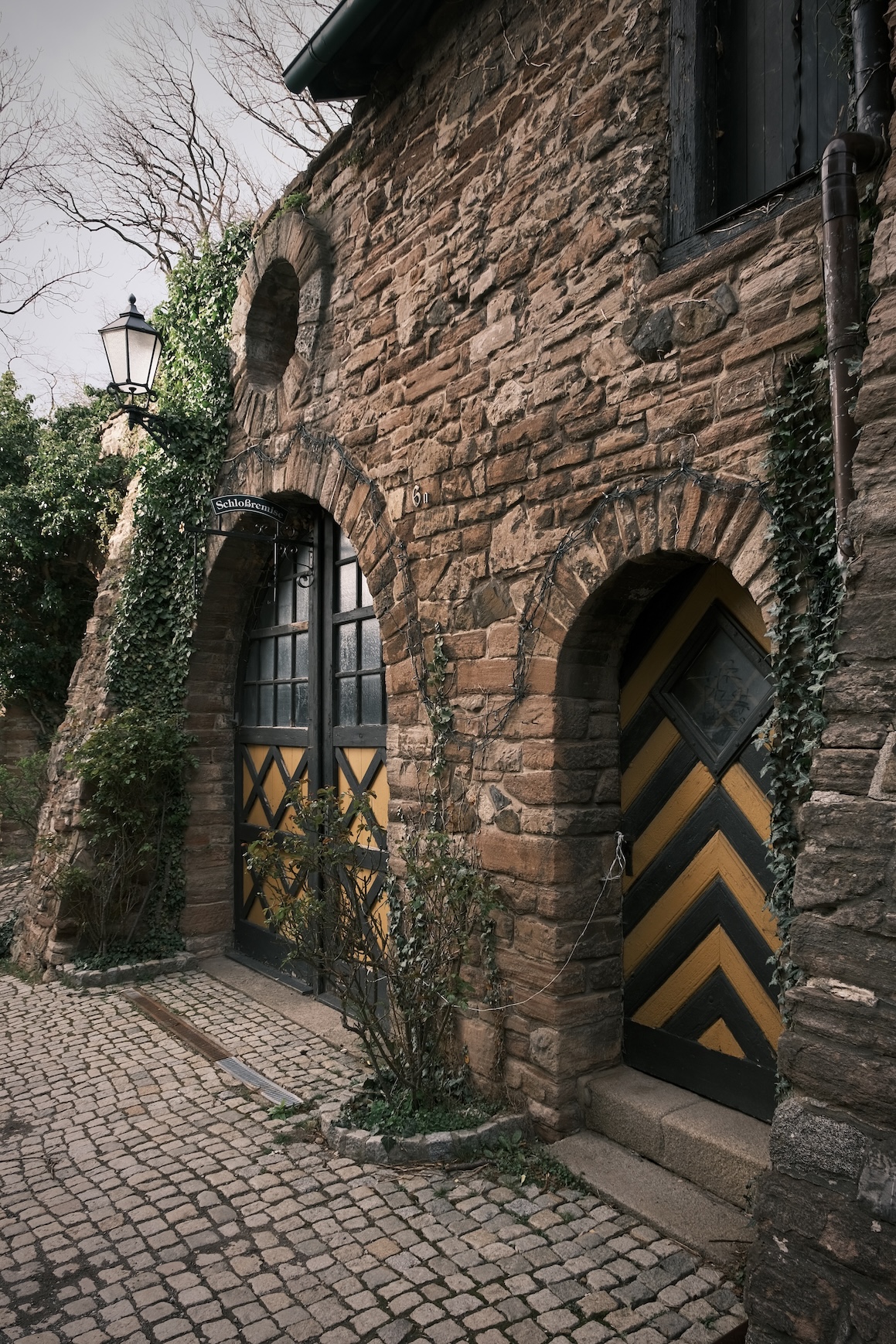
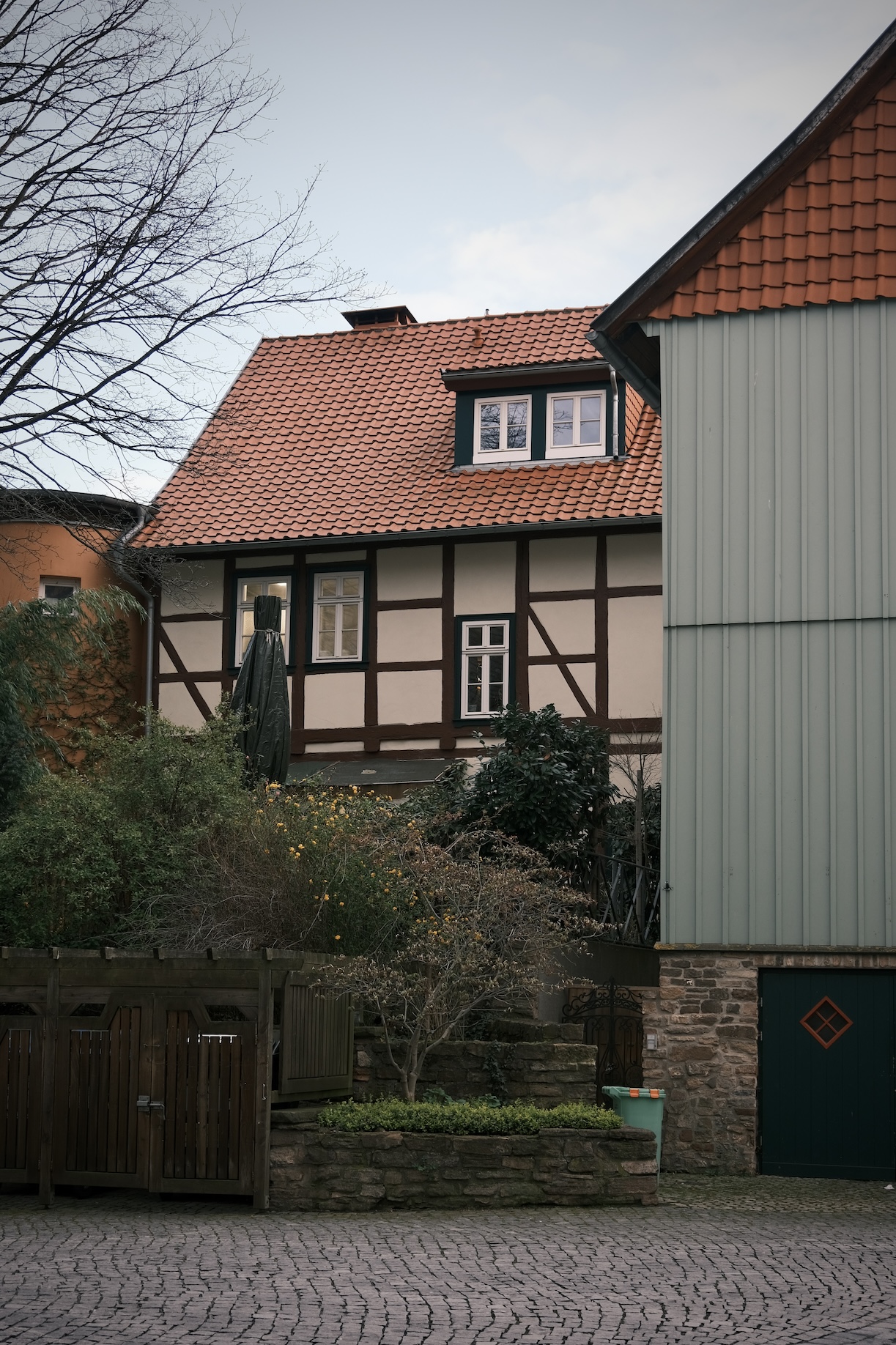
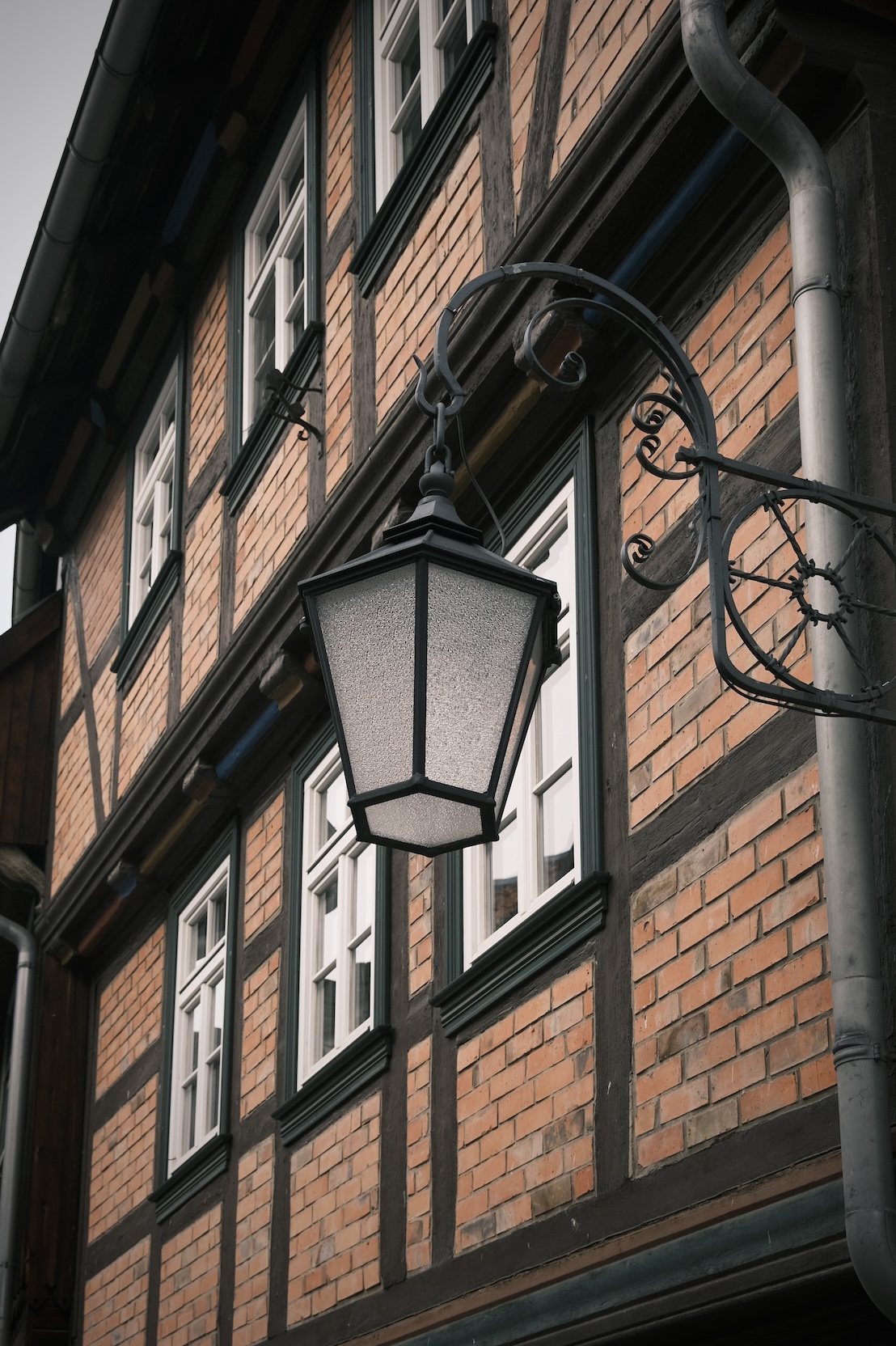
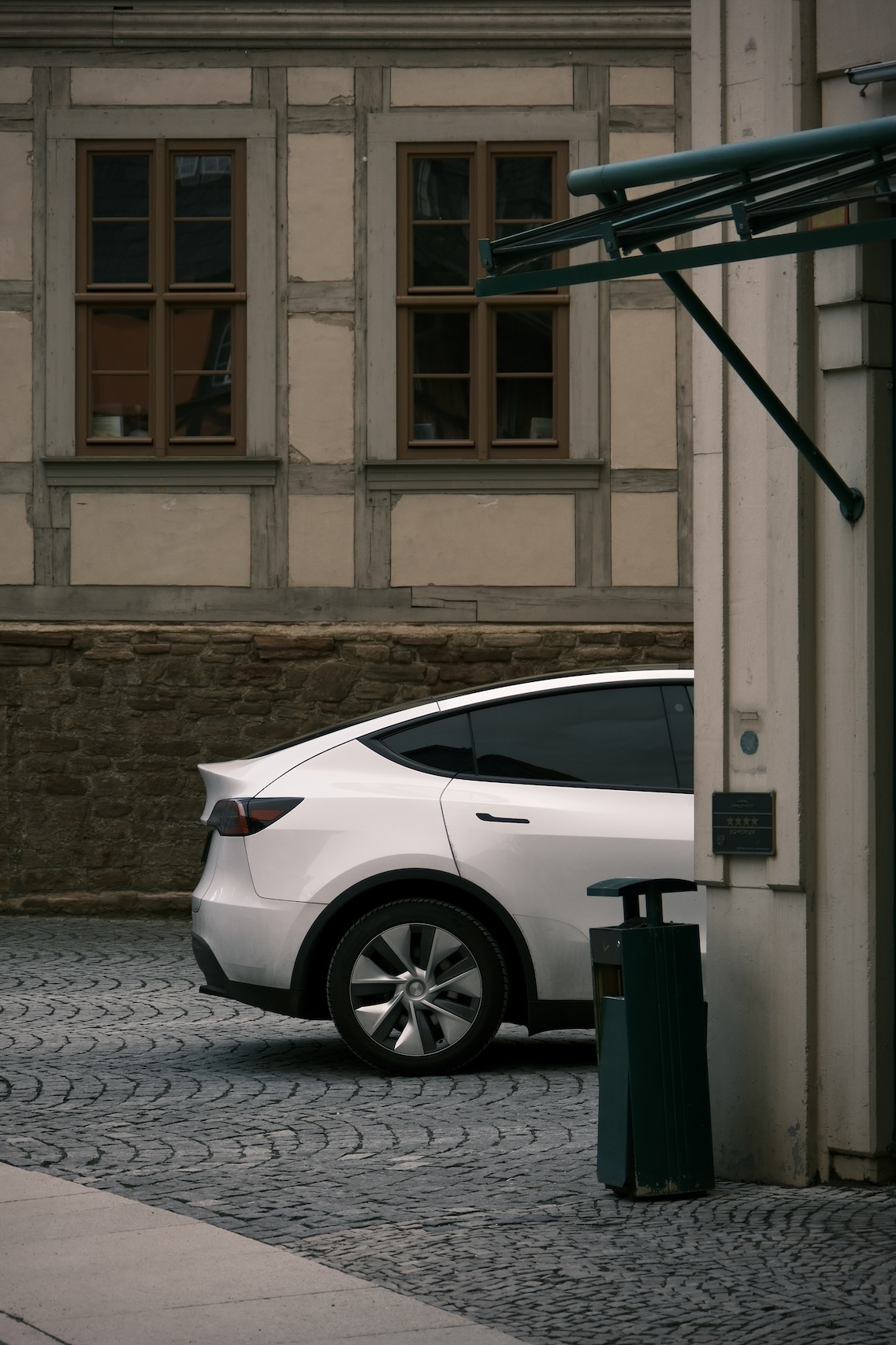
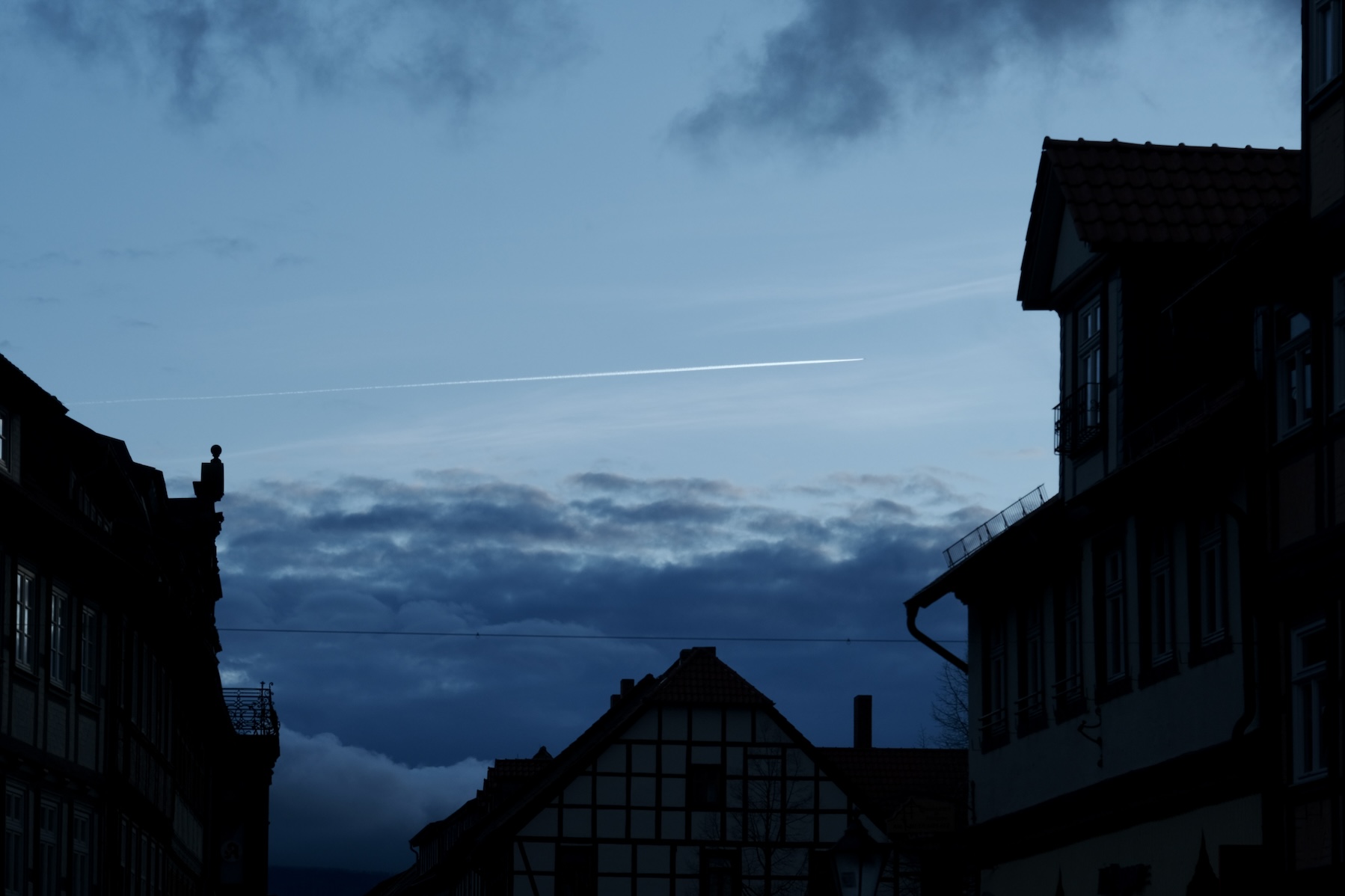
The vibrant colors of that place make you look around and take photos of every building. They are all unique, with different colors, and different shapes. That’s why here I even wanted to make colors softer than they actually were. Original Fujifilm Astia recipe and custom one based on Classic Negative suited the town pretty well.
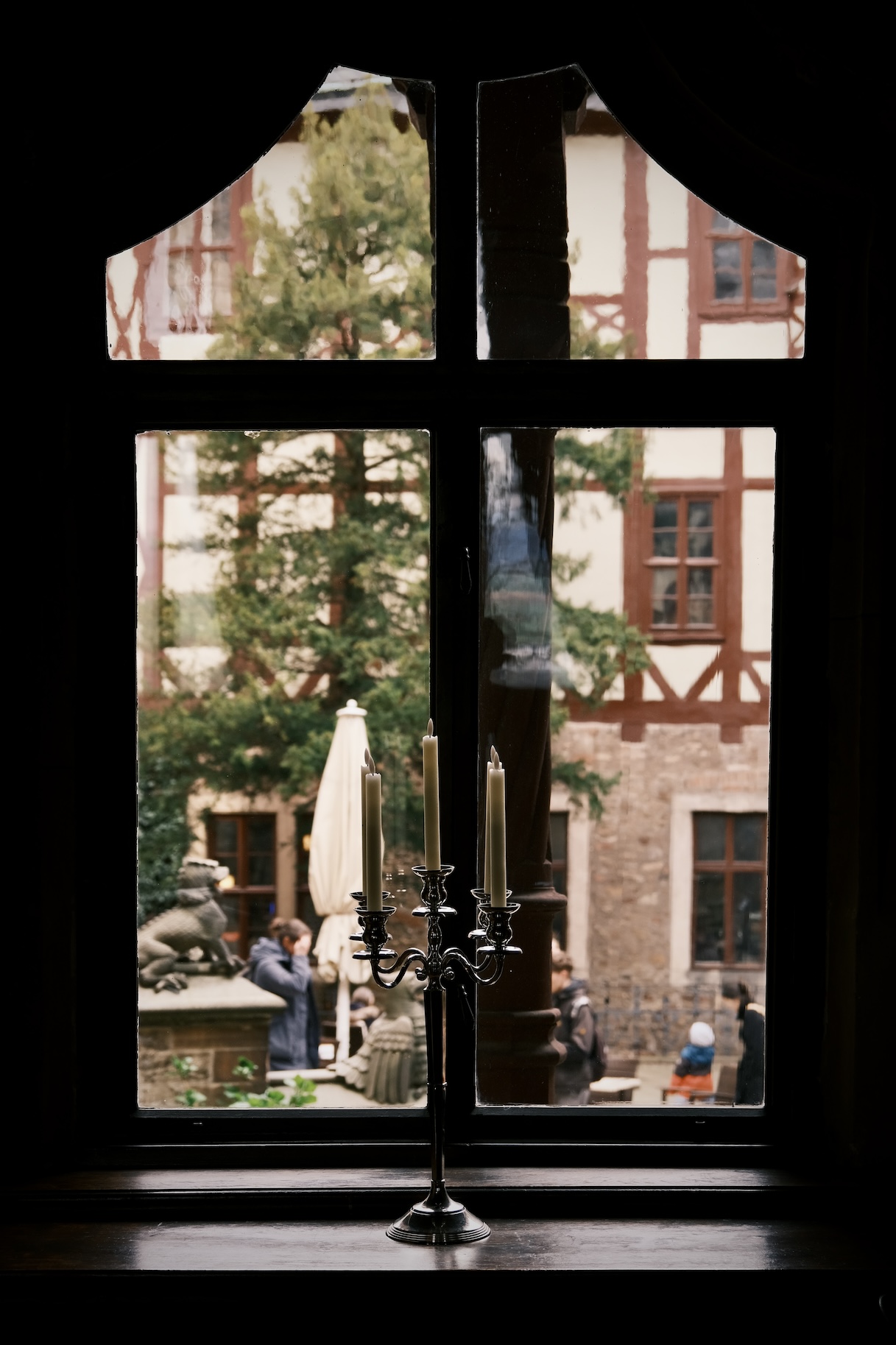
Many small streets seemed very familiar, somehow I (almost) always knew where to go. Of course, sometimes modern reality leaks through the edges. And then you want to quickly jump back like when you going from a hot shower in winter and thinking of turning the water back and staying for another minute.
Berlin
After a fairytale-like day in Wernigerode, it was time to visit Berlin for the second time. Last time it was 2021 and the visit was 100% touristic. A lot of museums and quick jumps between locations.
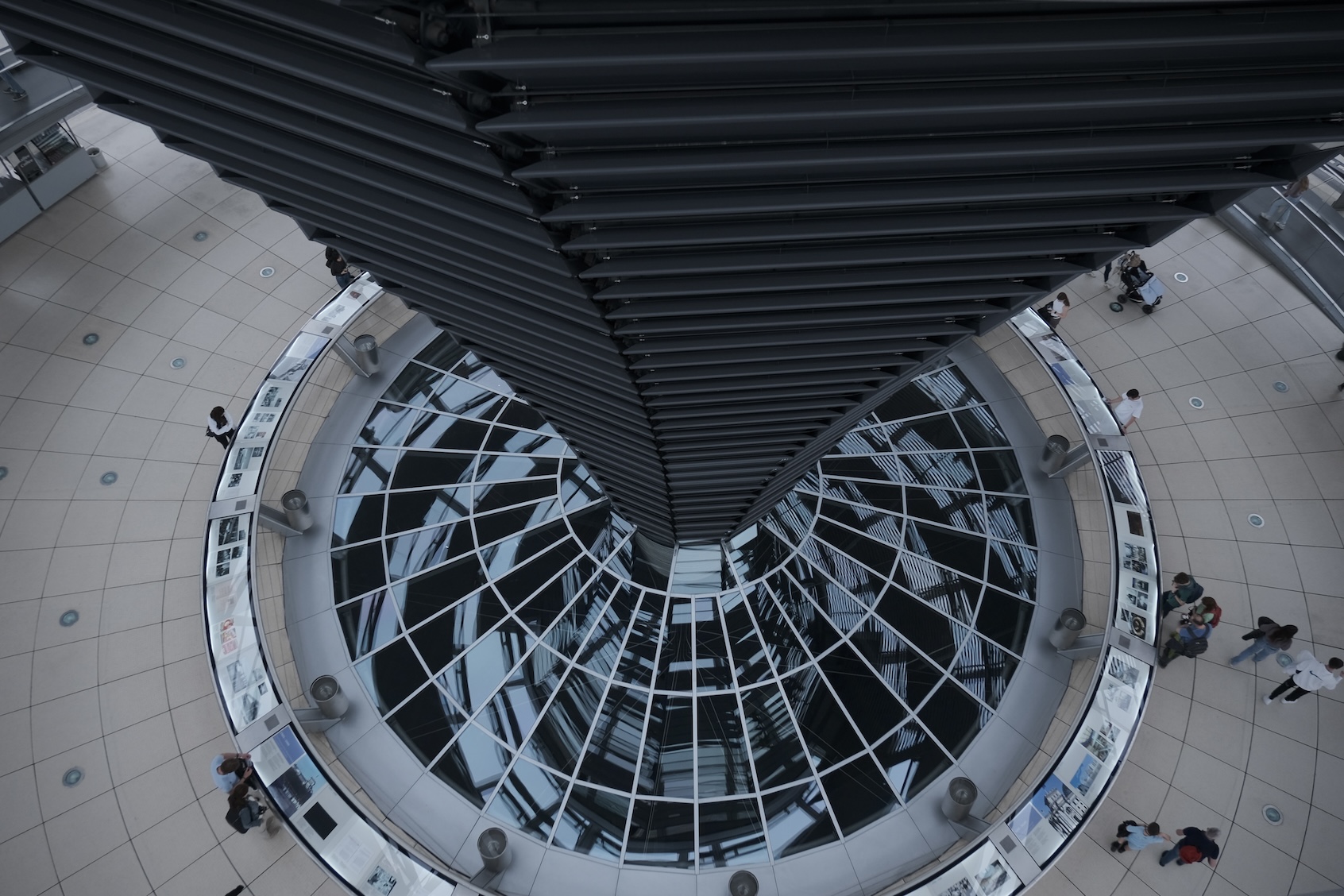
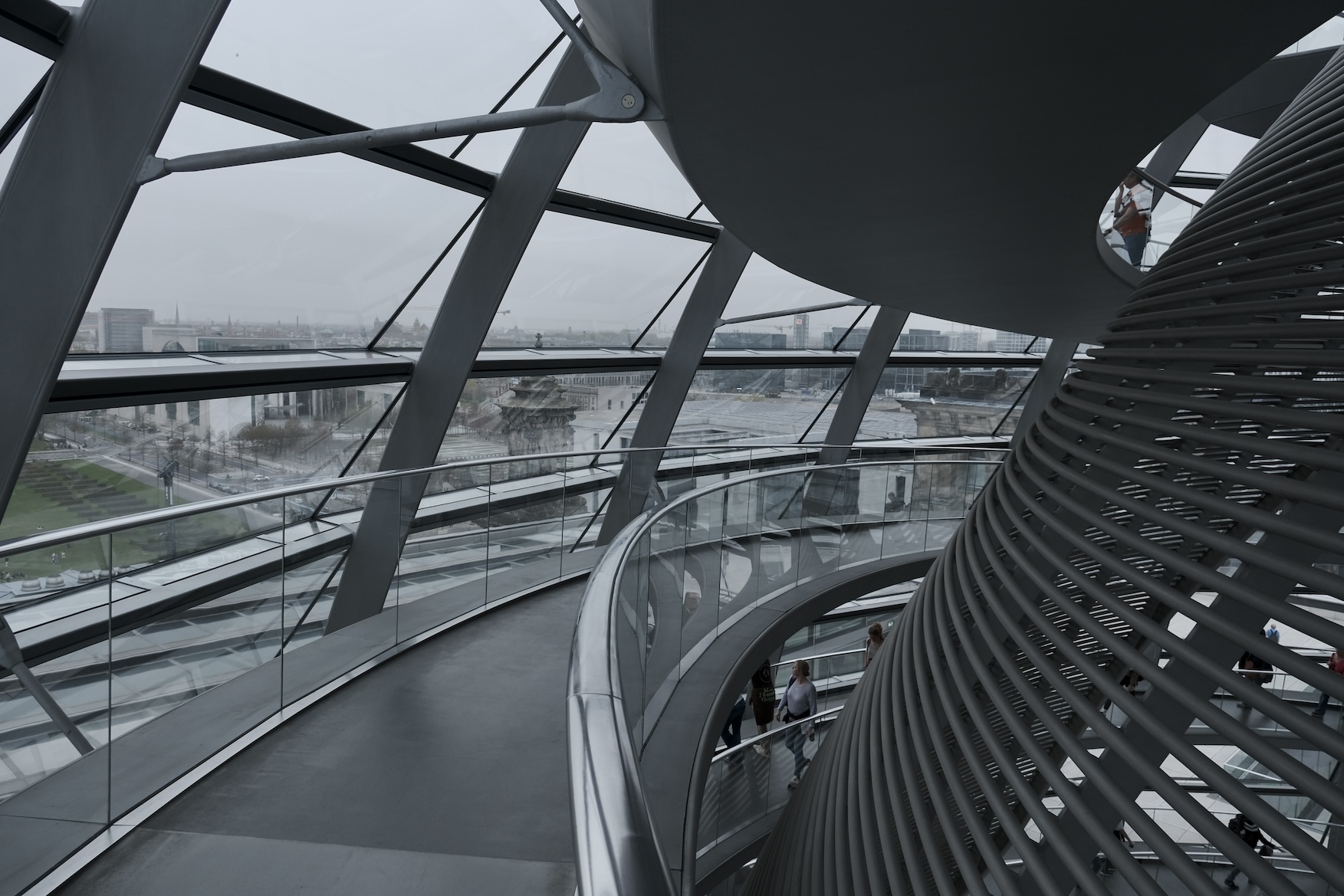
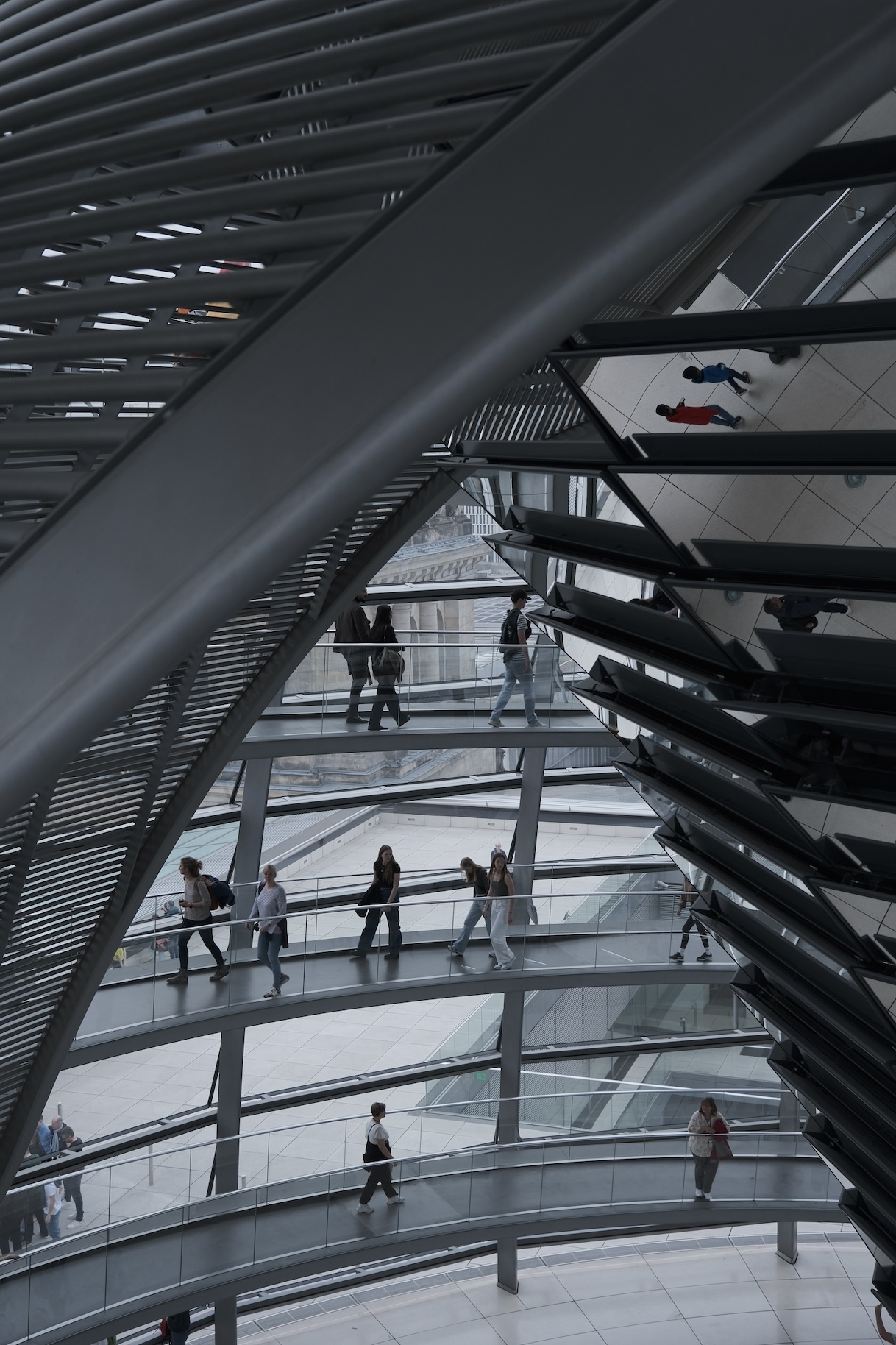
This time we wanted to go slower and even with a visit a tour of the Reichstag building didn’t rush the time. And to reach Berlin we needed 4 trains again. At least that day luck was on our side and all trains came punctual. The punctuality stereotype doesn’t work when infrastructure is overloaded. Will it be solved? When it will be solved?
Trains
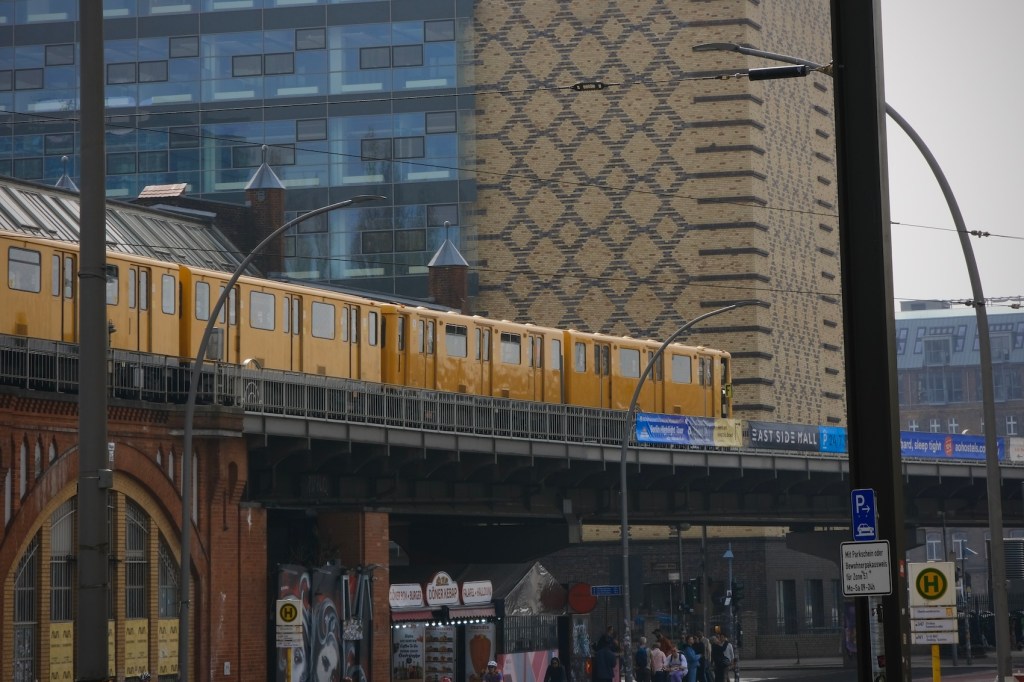
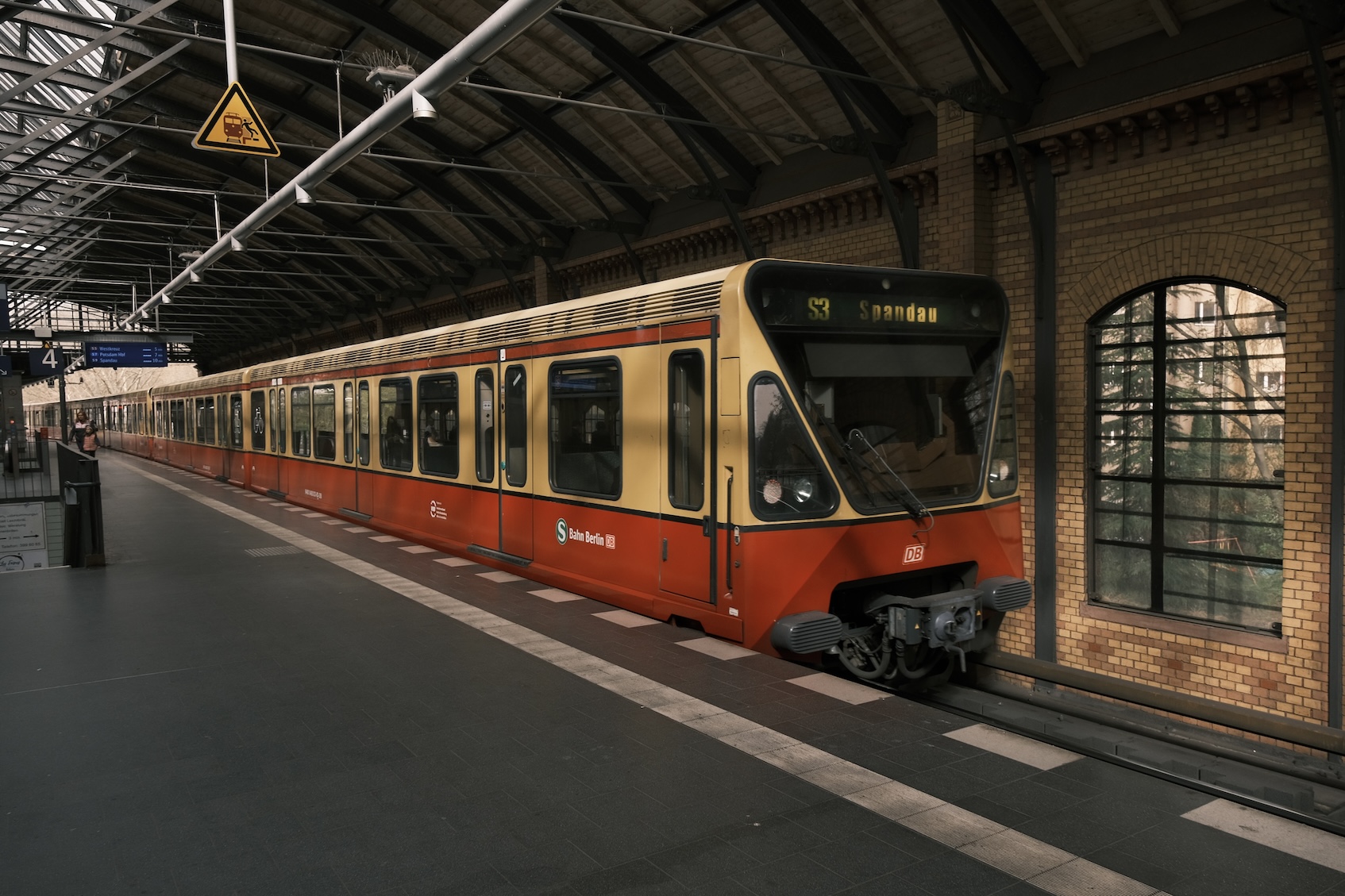
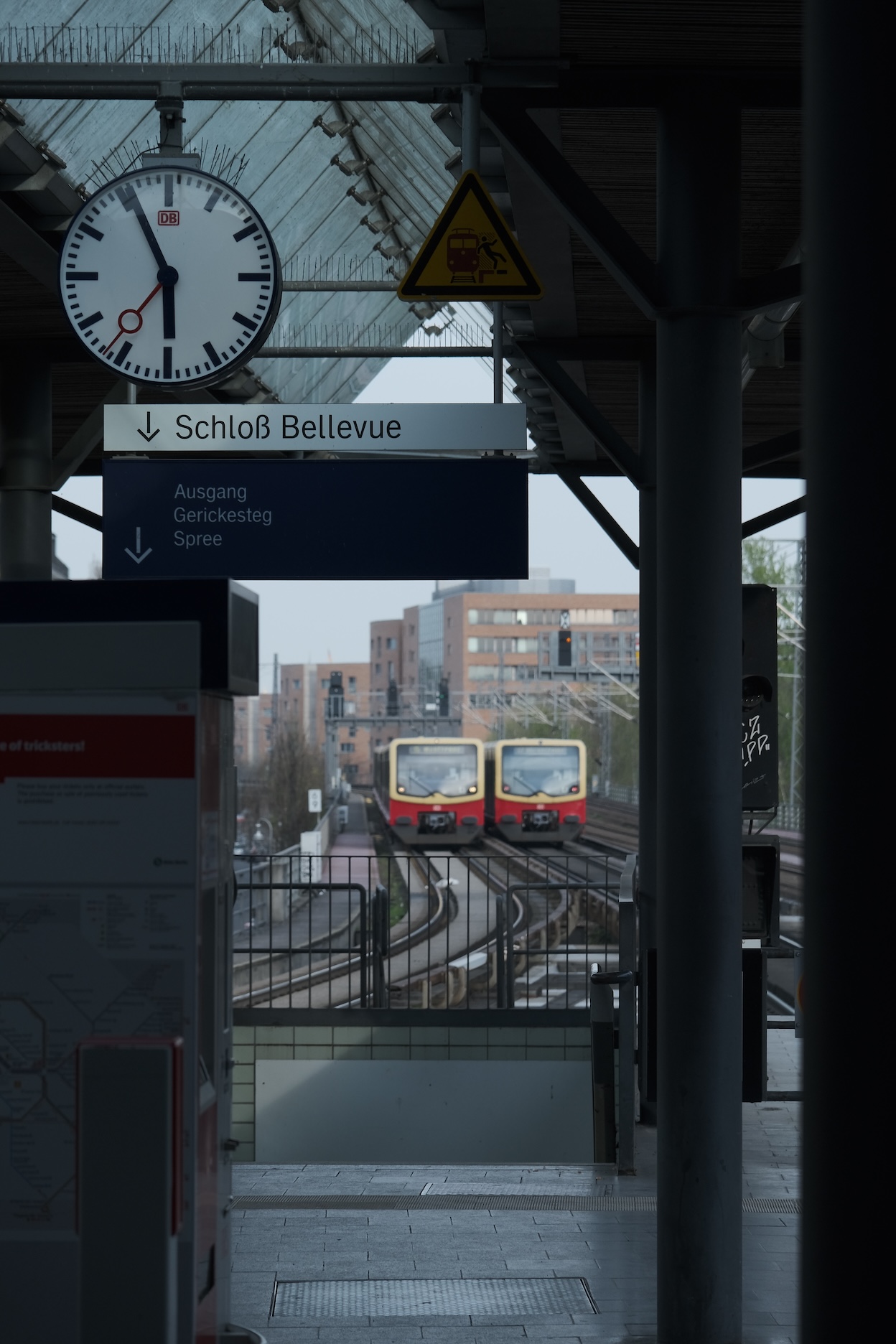
So. Many. Trains. Suburban rail here has a significant part of the route in the city itself. The unique transformation happened with the system: trains are using here the third rail as a source of electrical power and not a traditional pantograph-wire connection. That’s why S-Bahns in Berlin look like big subway carriages rather than suburban trains in other parts of Germany.
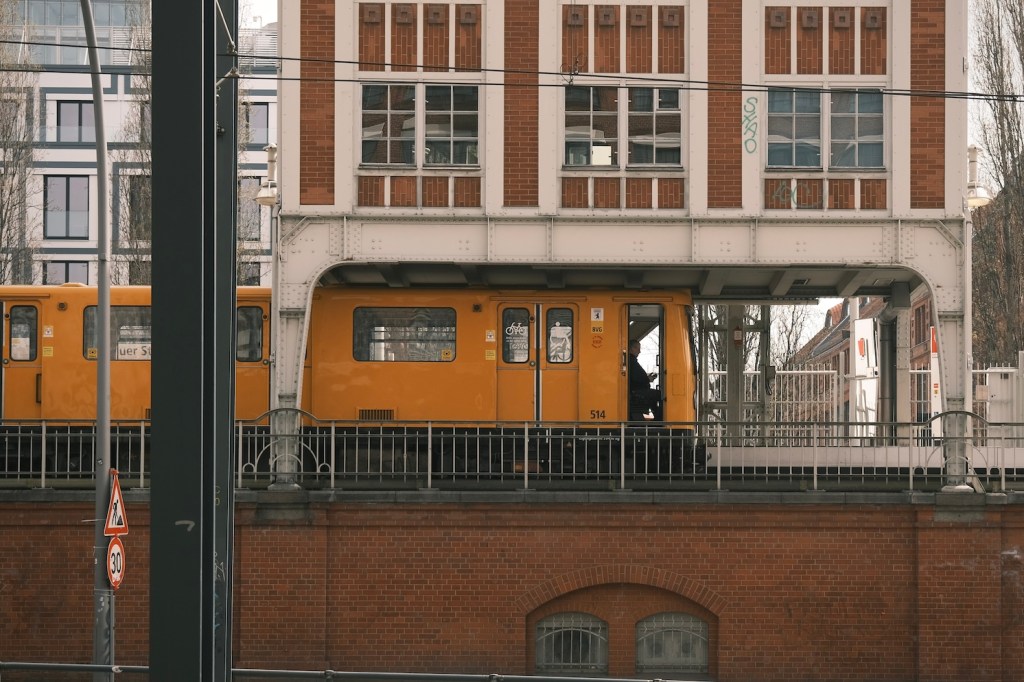
A big part of the system goes on elevated tracks, so the journey does not just disappear in blinking tunnel wires in windows. The train slips between buildings towards the next station on tracks like encircled blocks of the city waterslide.
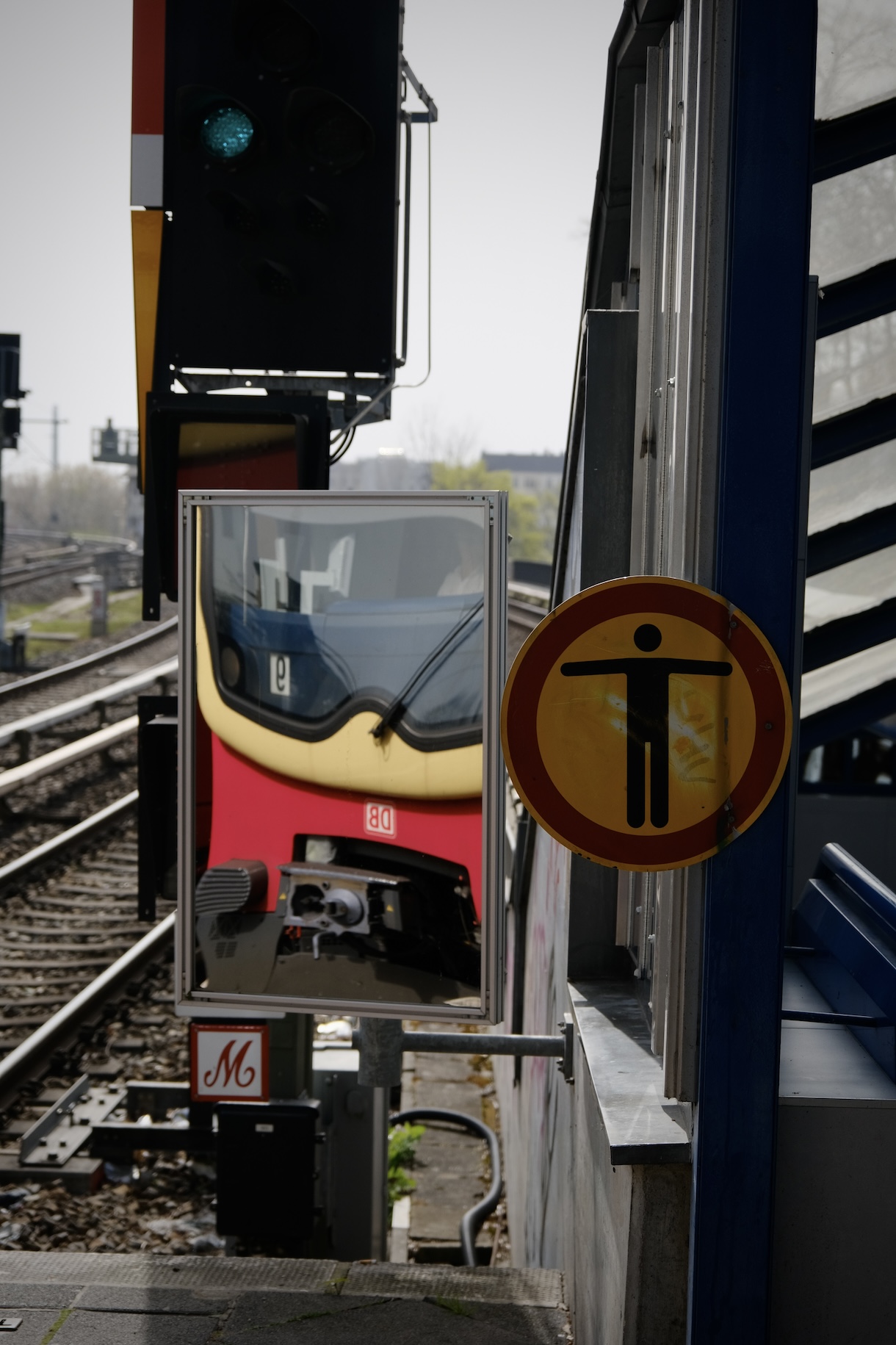
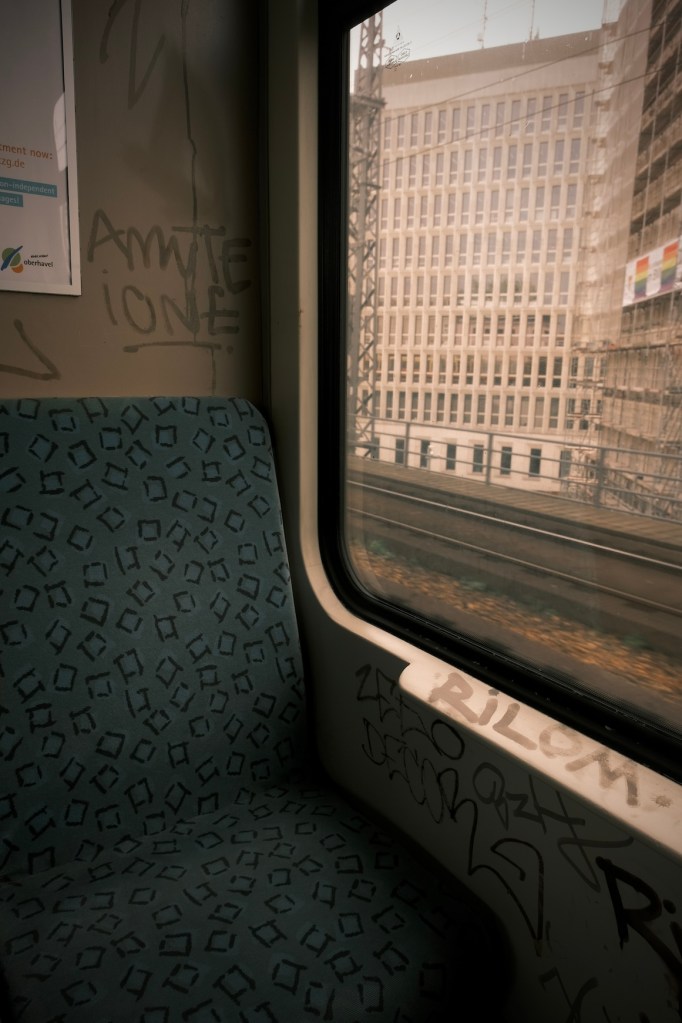
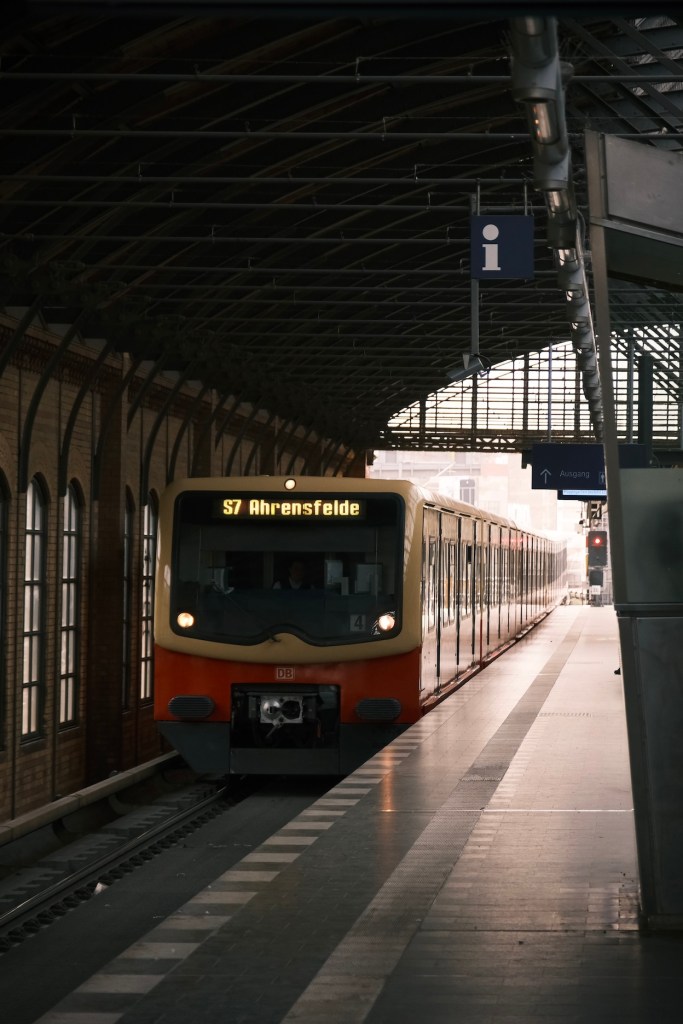
Stations in Berlin may not look like a palace like some in Moscow, but they are so amazing in terms of infrastructure and interconnectivity. S-Bahns connected with subway, subway with buses and trams, and of course the main station in this city is just another level with its engineering.
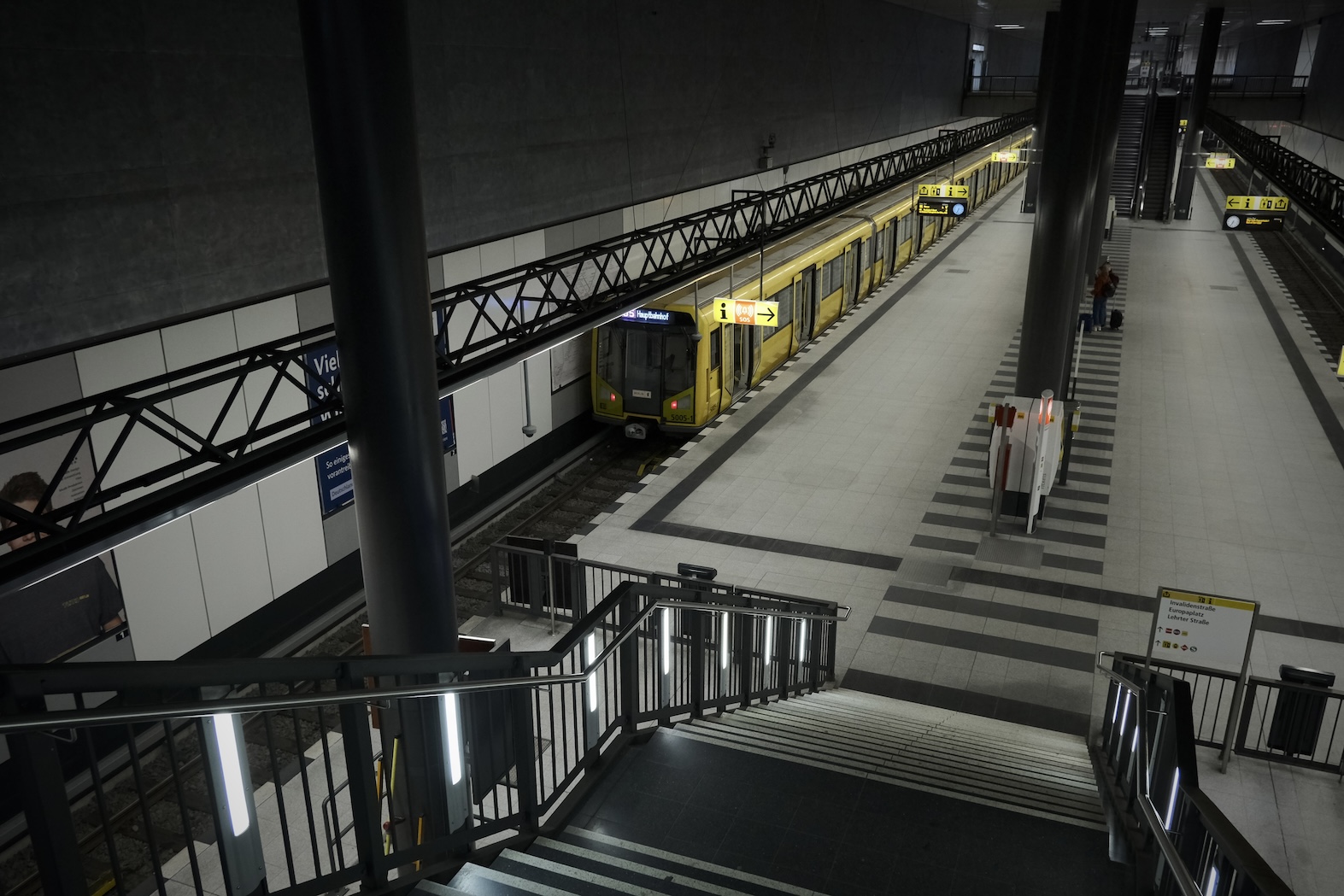
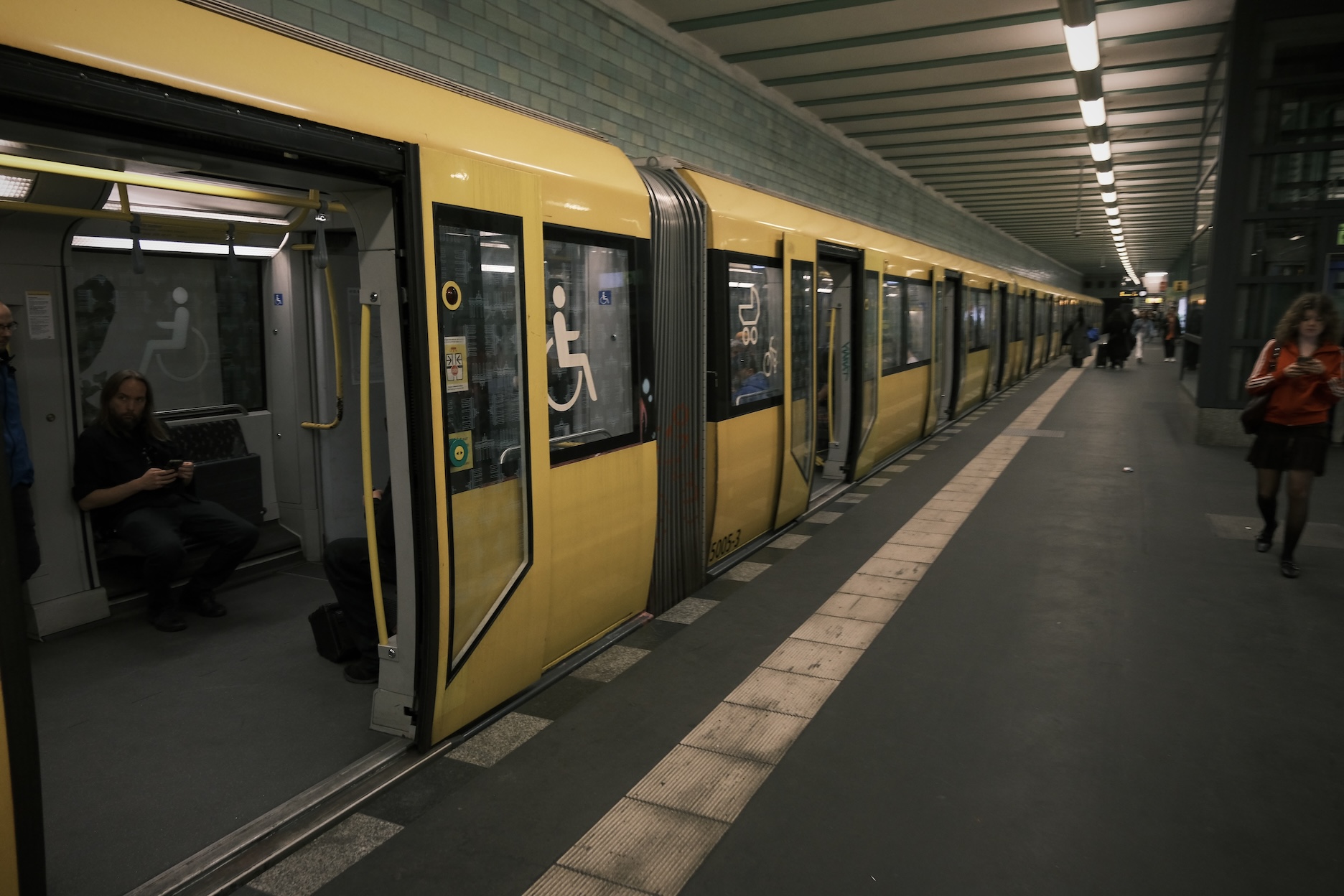
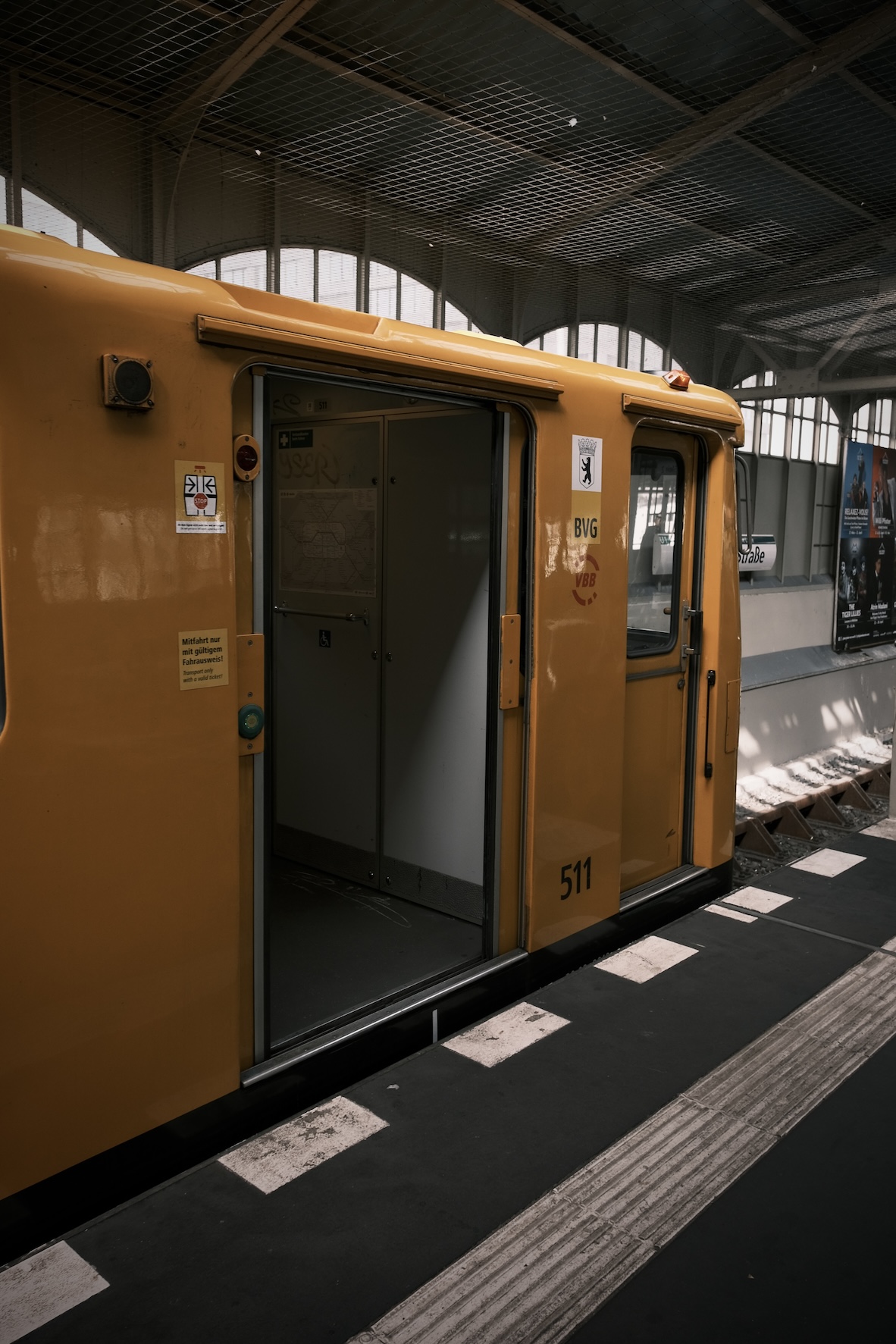
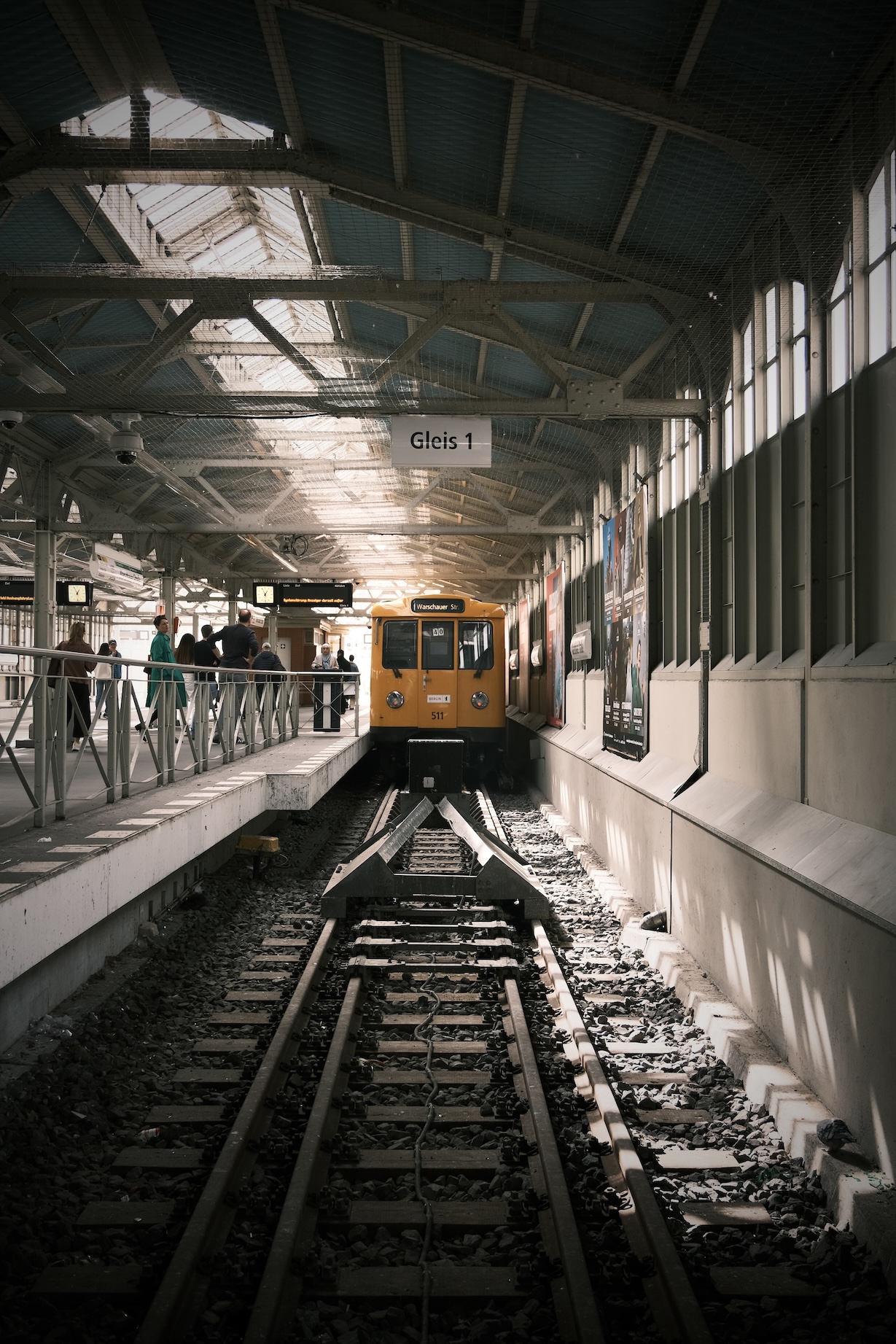
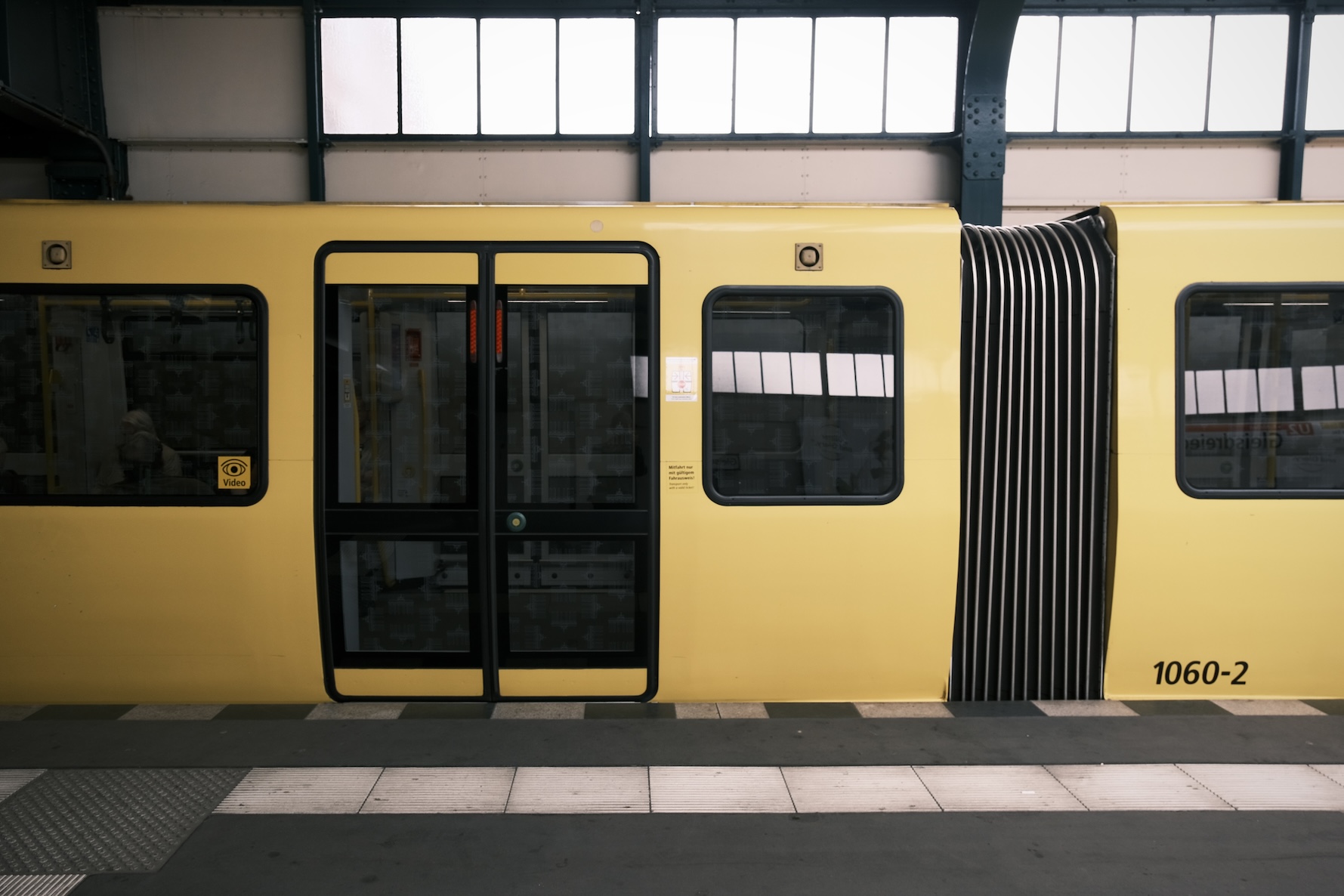
Distinct yellow colors give a warm feeling to Berlin’s subway system. And the sound of carriage engines will be easily blind-guessed by someone who already spent in these yellow trains.
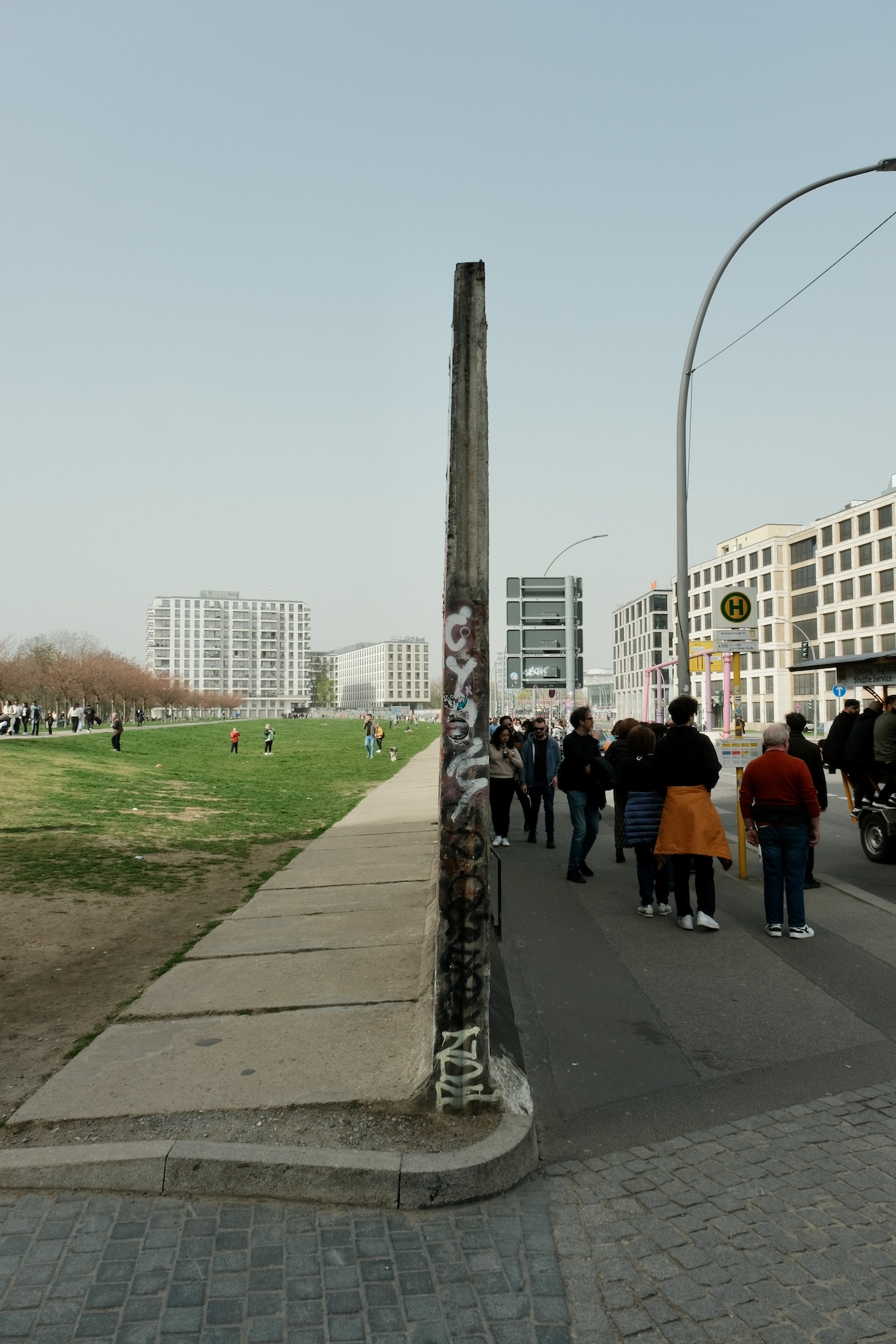
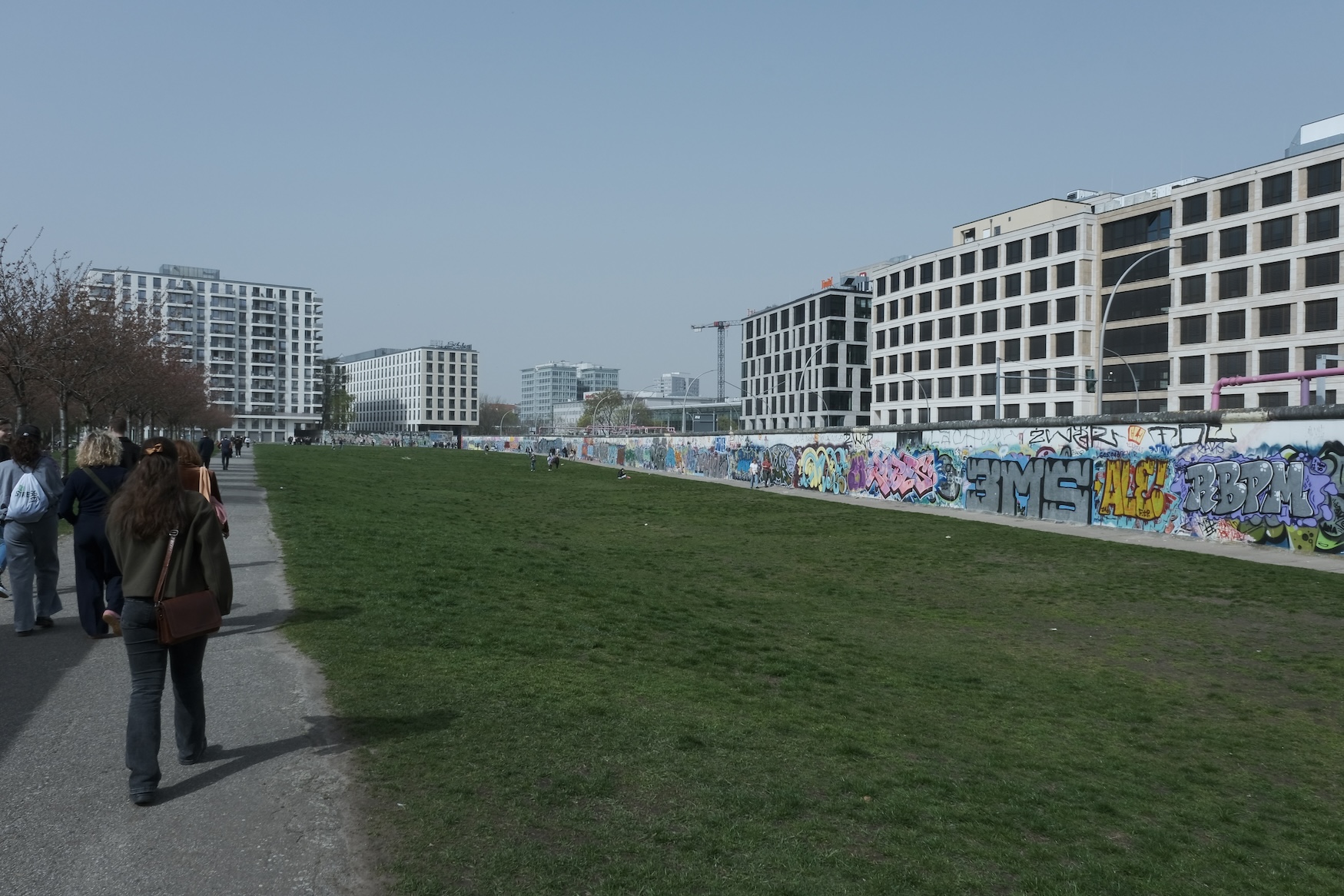
Looking at the remaining parts of the Berlin Wall, it is actually so easy to believe that this concrete monolith used to be not one of the most famous street art galleries like it is now. But one of the most dangerous places. Hard to believe people really wanted it to be.
Now the wall had fallen in Berlin. Would be great if the wall in people’s minds would fall as well. Blind denial only distances us further from reality.
One more place of the Berlin Wall time is the Tempelhof Airport. Nowadays it is a park where people meet, grill, teach kids how to ride a bike and just walk through its runways. This is such a legendary place, the point by which the circled city was connected to the outer world. Hard to imagine how landing or takeoff felt there.
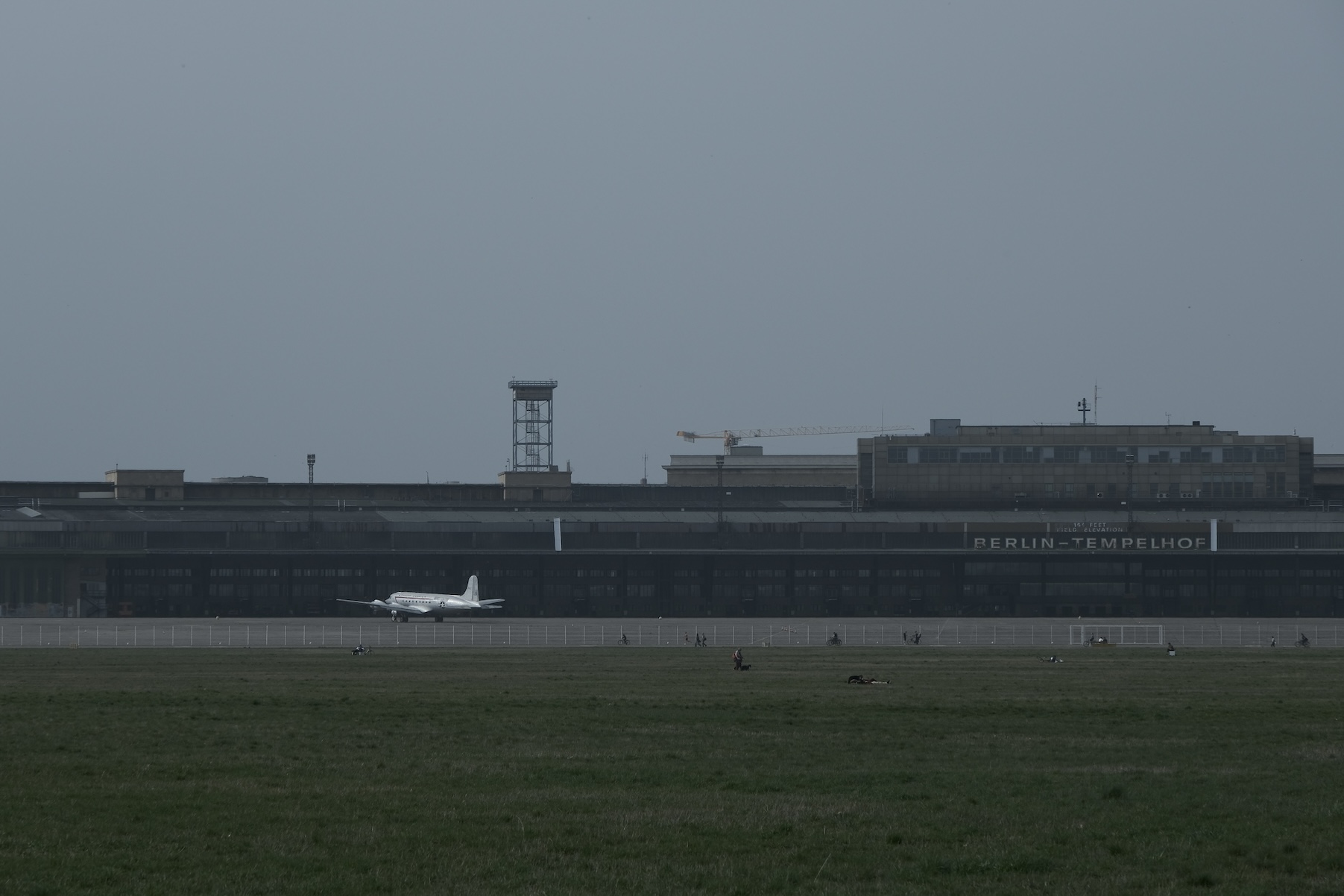
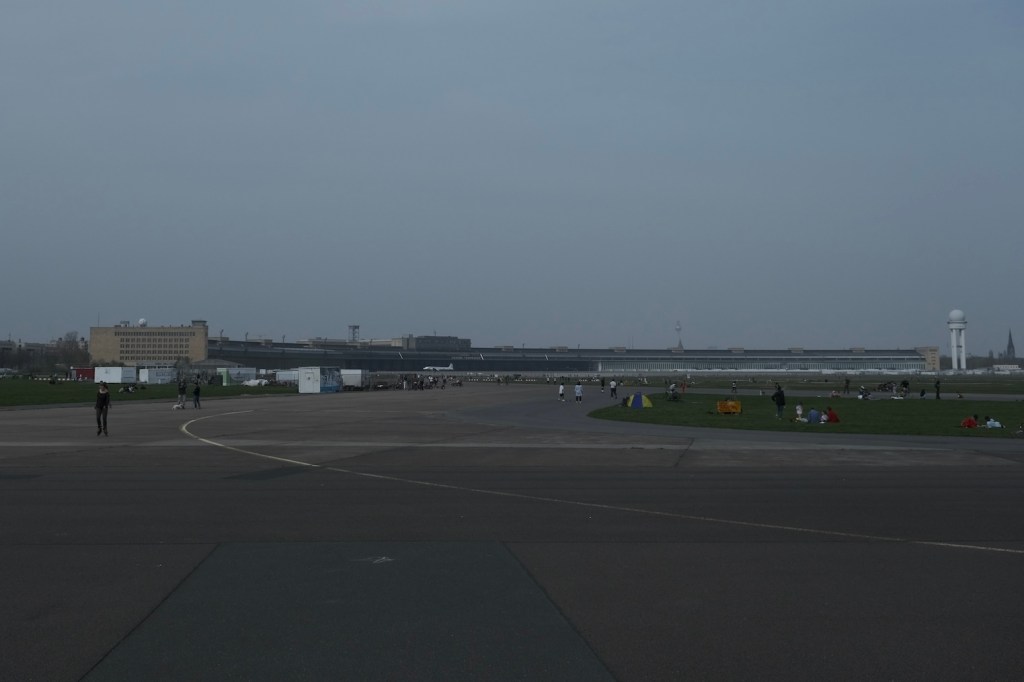
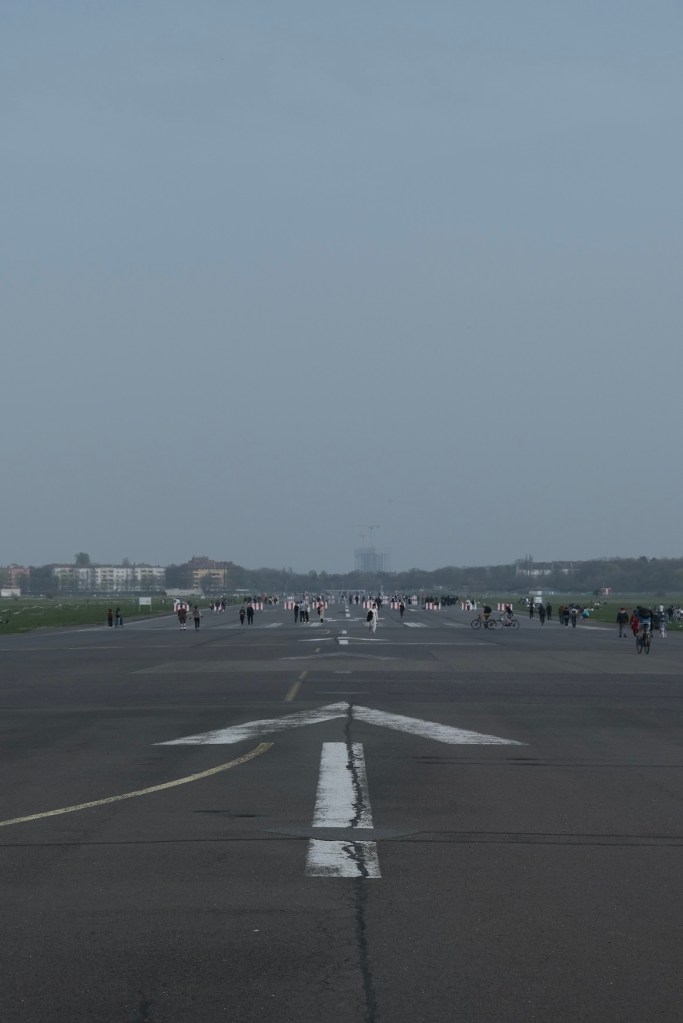
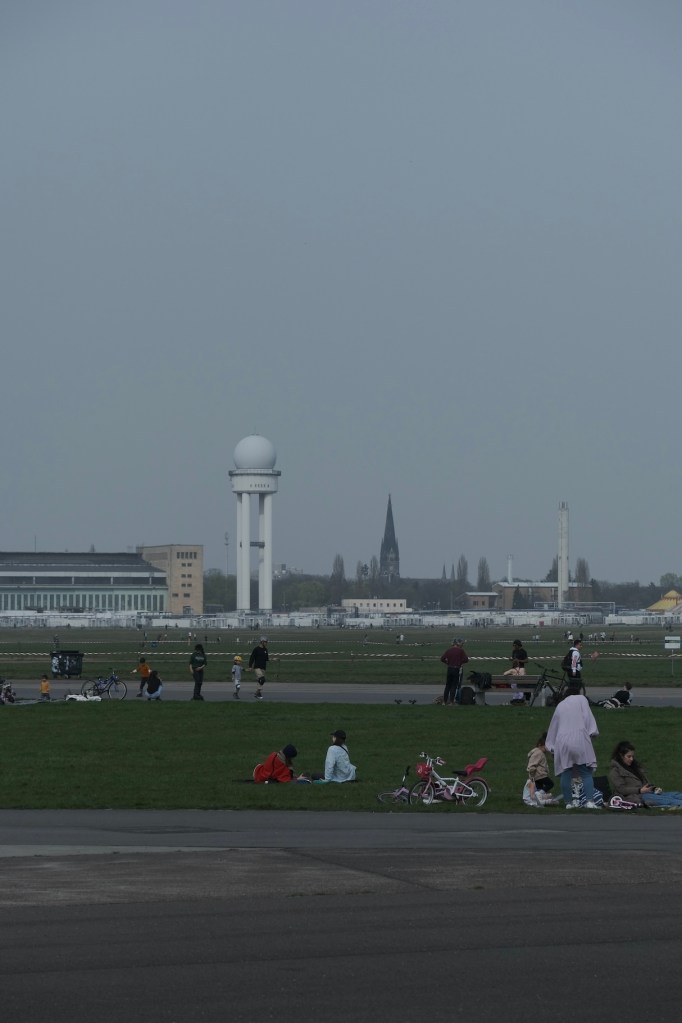
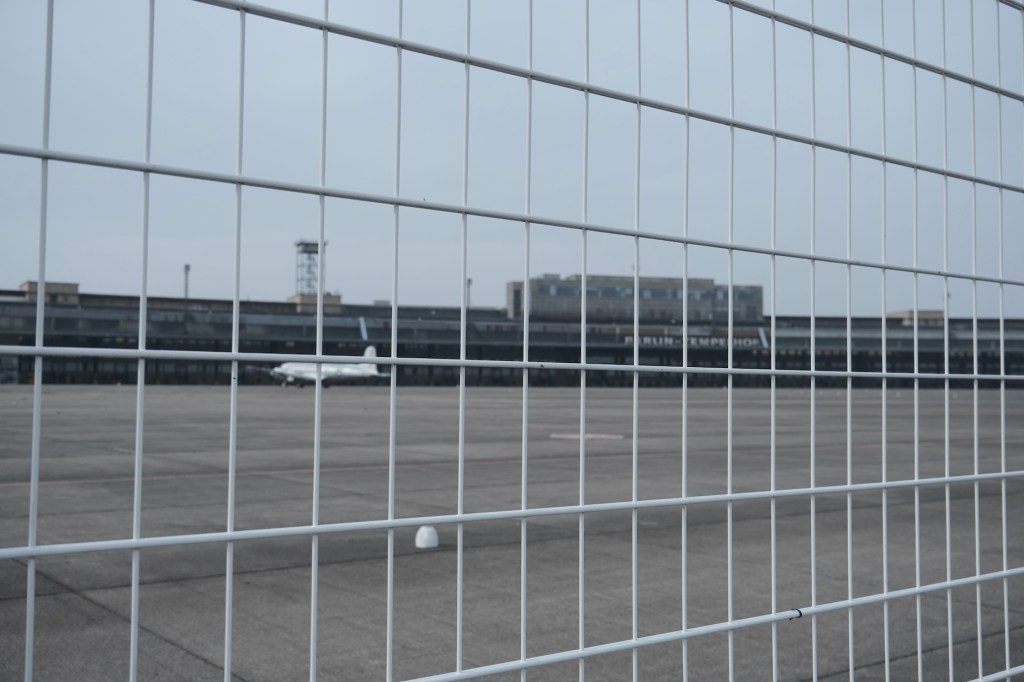
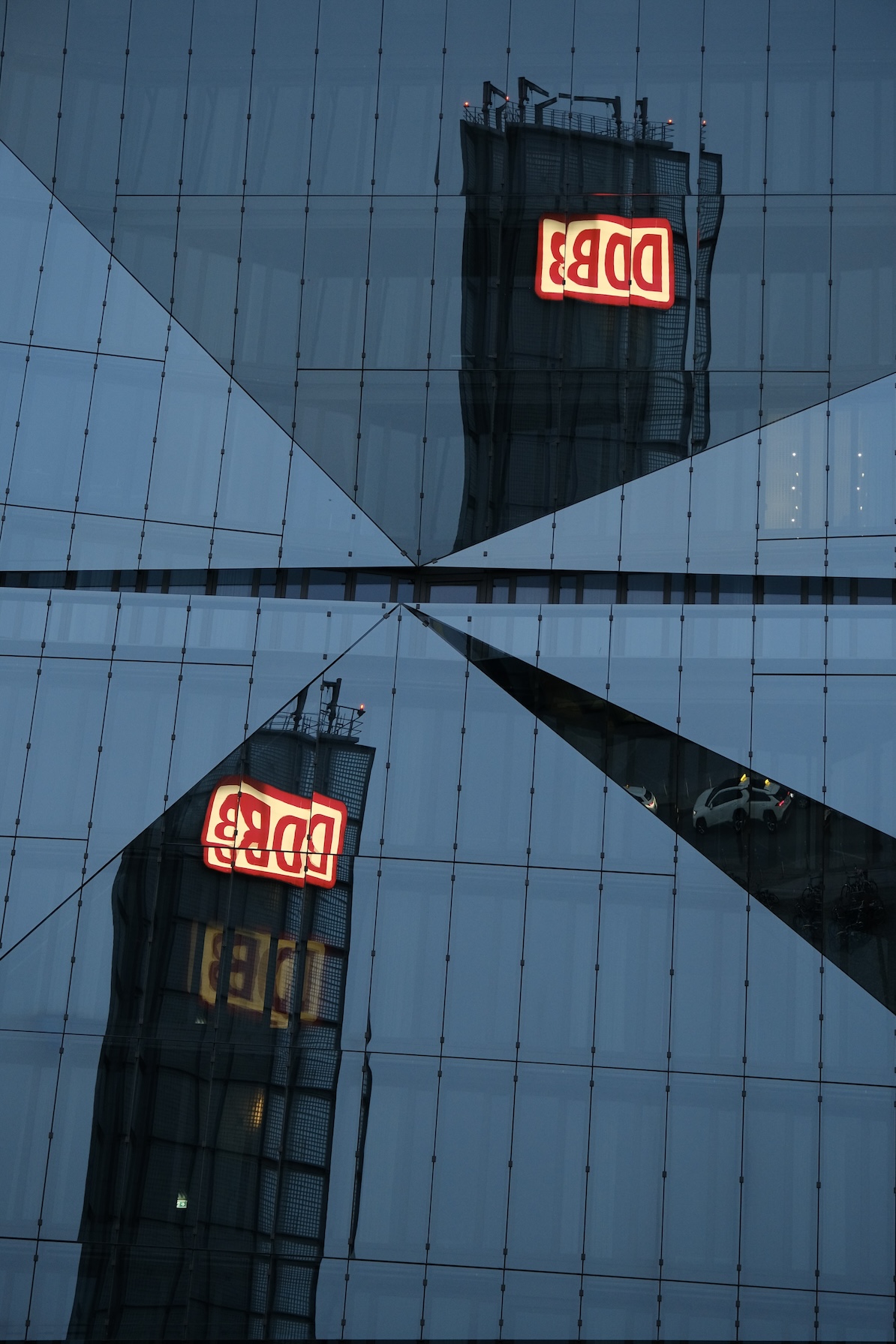
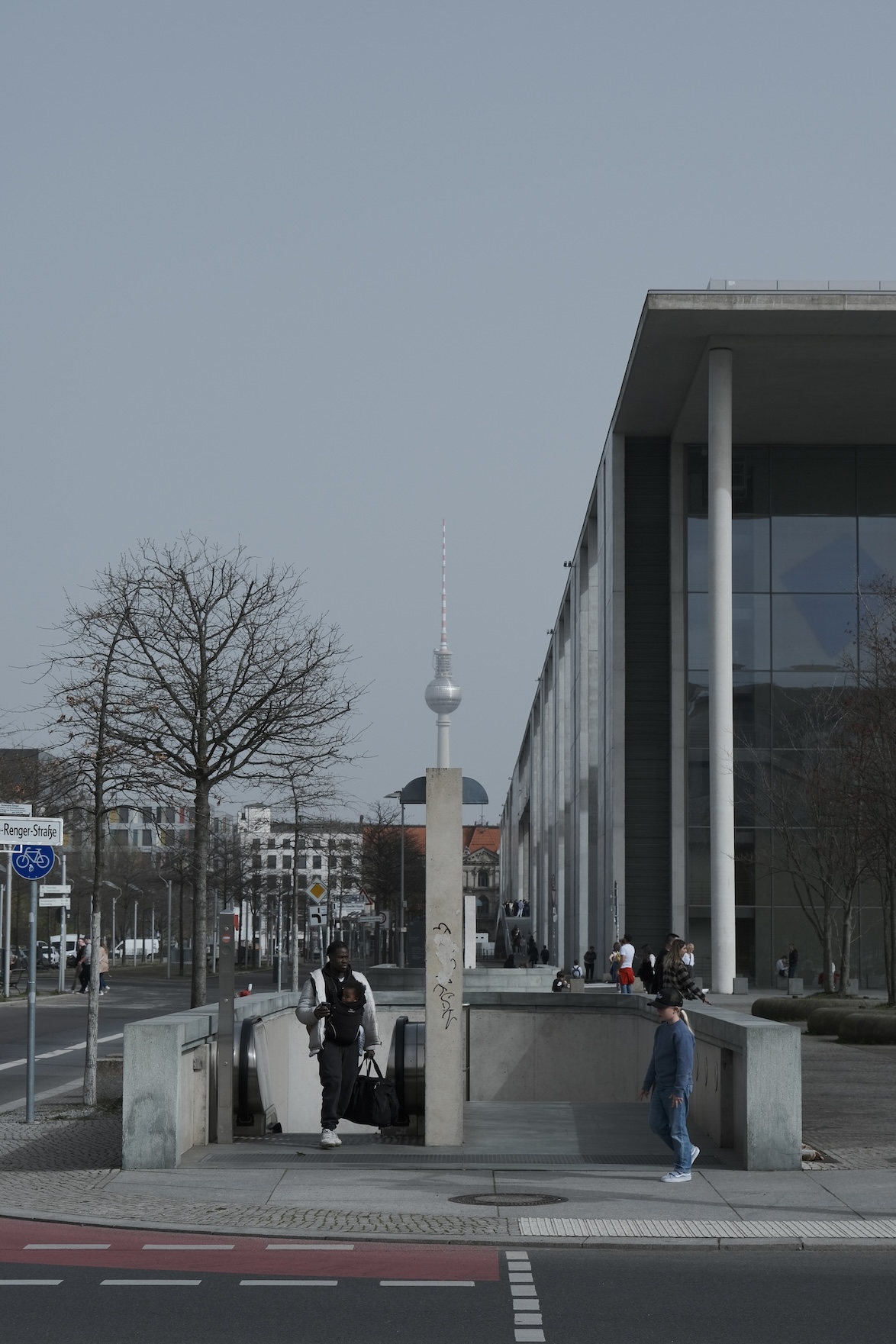
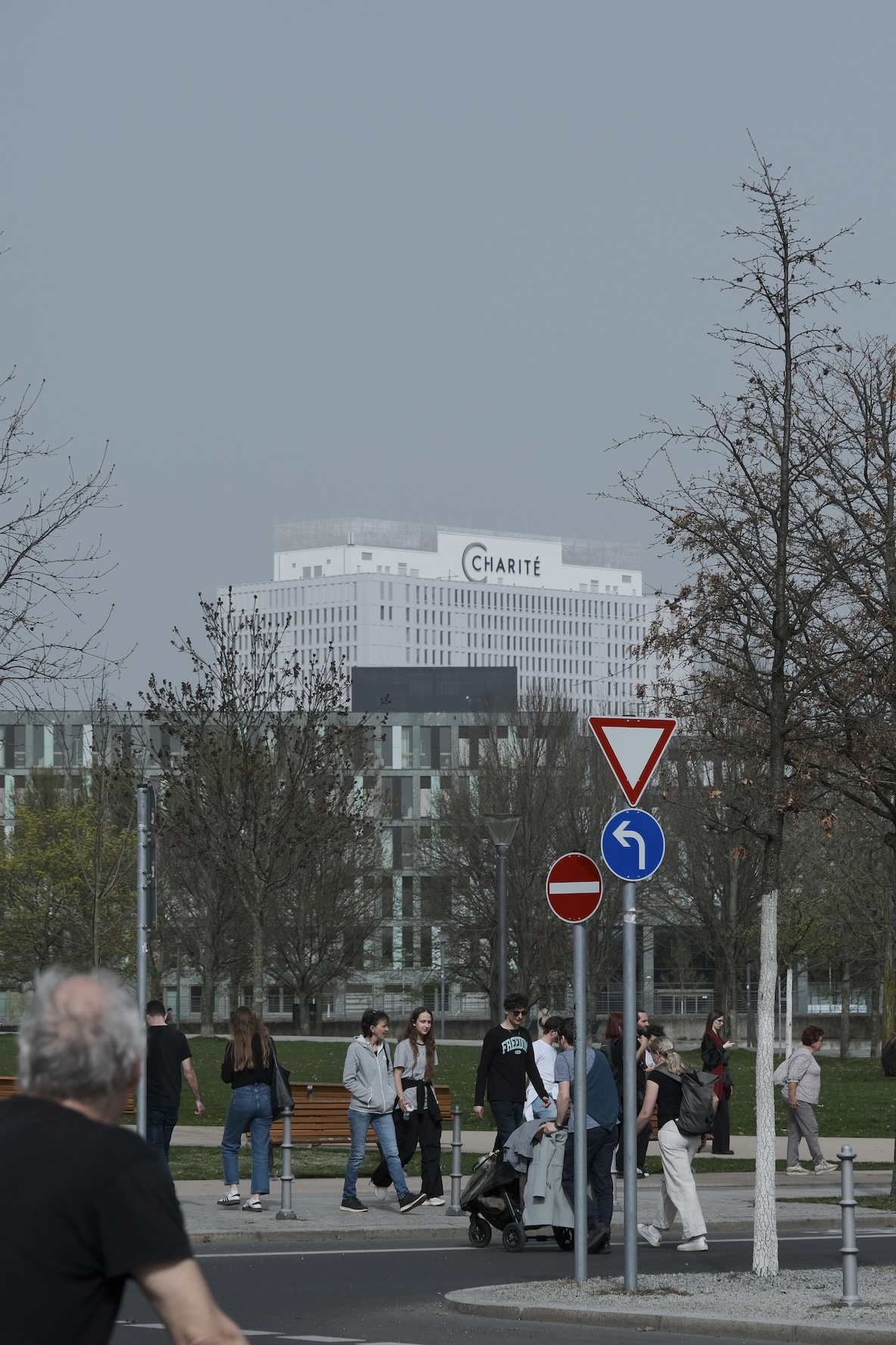
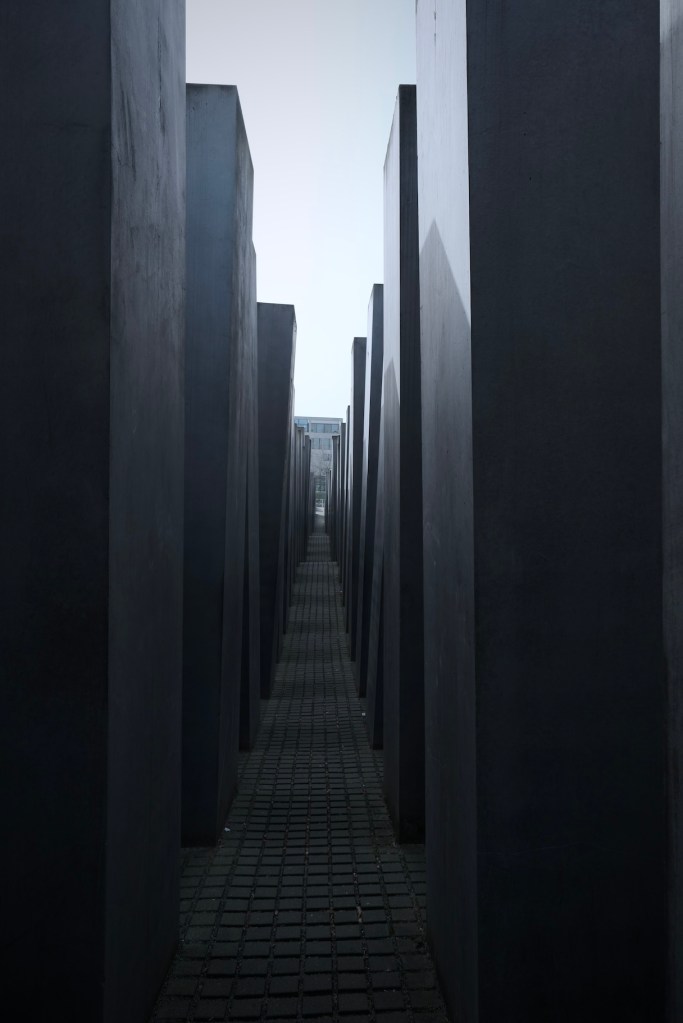
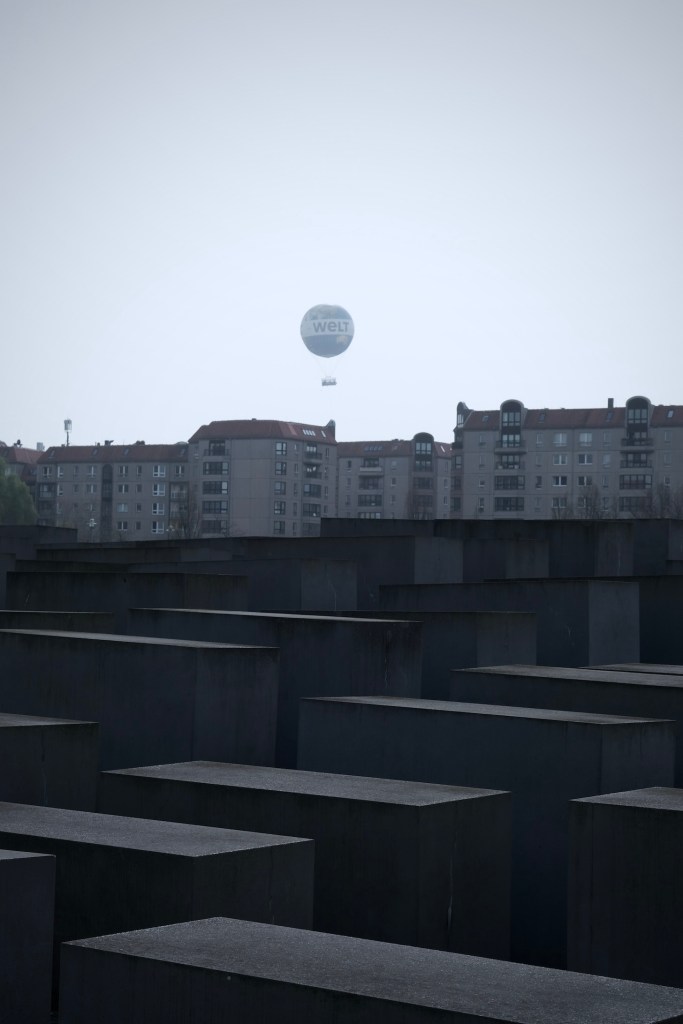
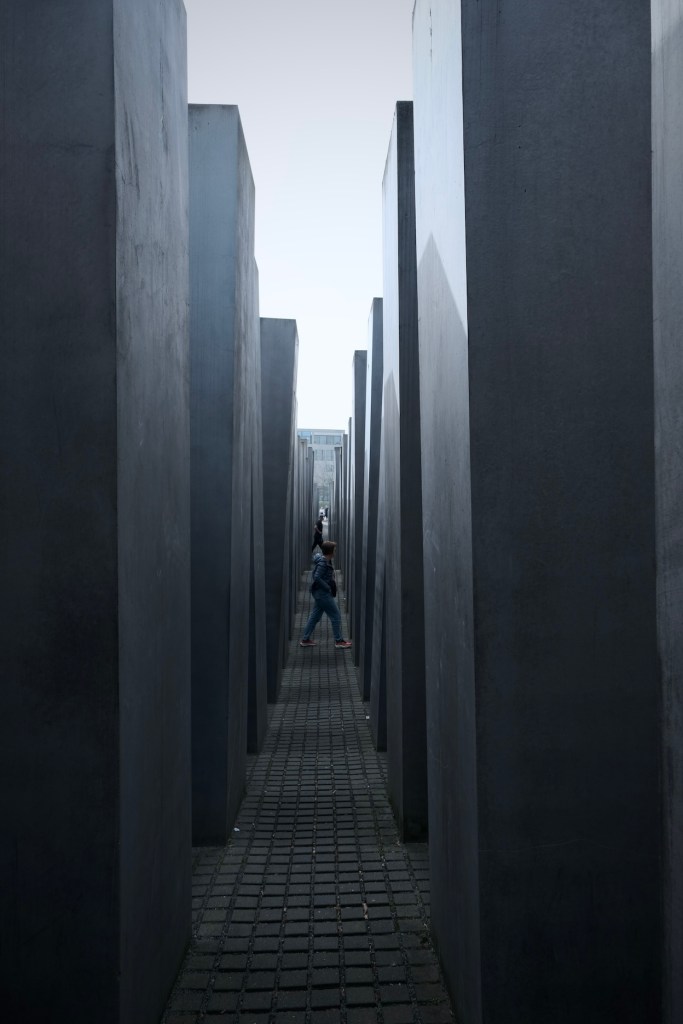
With mixed thoughts about the complicated history of this city, I chose a custom film recipe was chosen for most of the Berlin shots. It is based on Fujifilm’s motion picture film Etherna. Motion picture films are usually less saturated to allow more versatility in post-production. And colder finish on it gave that haze in the air that makes you feel that something is so close and so far at the same time like just several decades ago next street or house in Berlin could be.
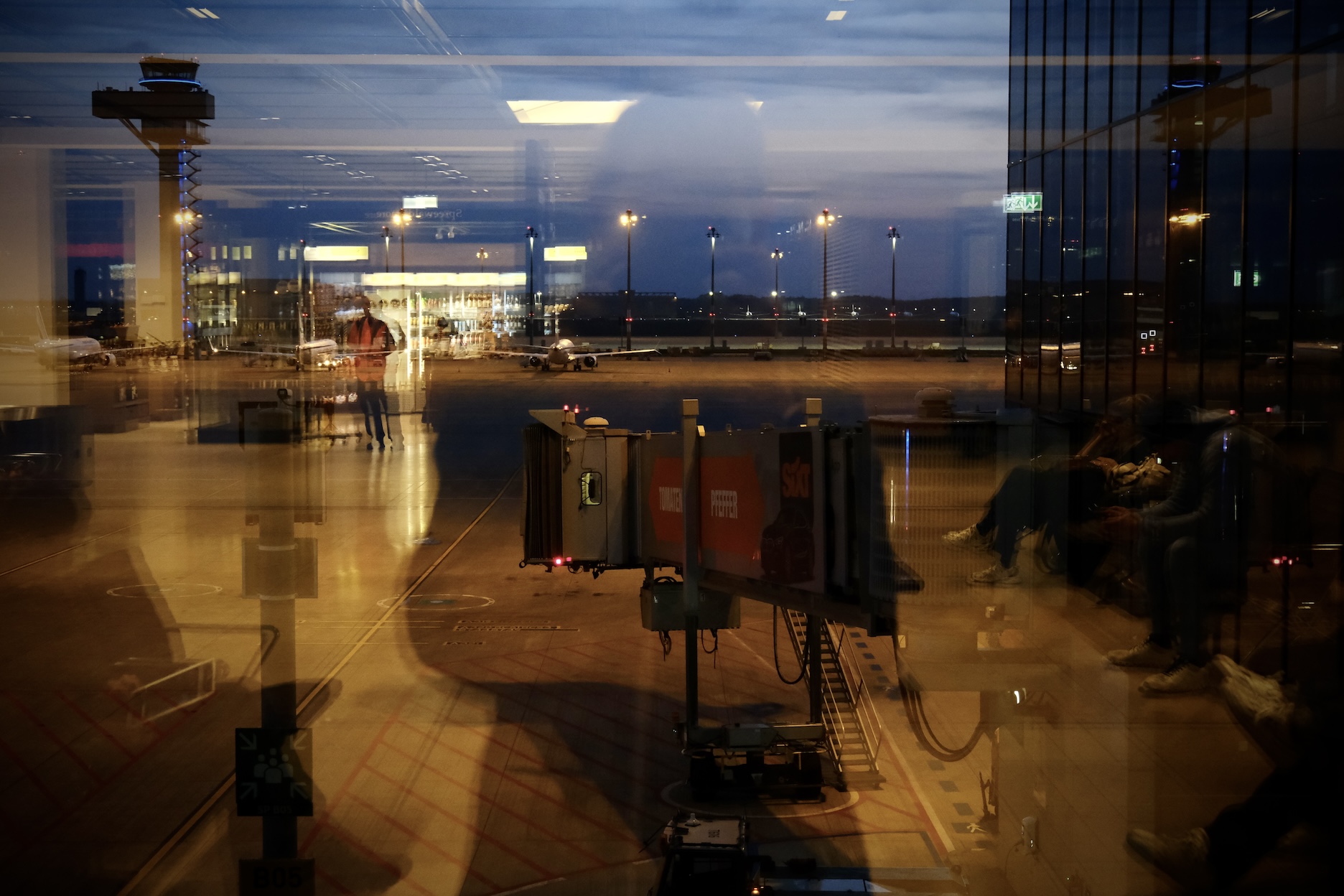
 Echo
Echo 